









A full day tracing Danish royalty across four iconic sites
This eight-and-a-half-hour minibus tour sweeps you through four centuries of Danish history without requiring a car or navigation skills. You'll visit Roskilde Cathedral, the Viking Ship Museum in Roskilde, Frederiksborg Castle, and Kronborg Castle, moving between them by comfortable van with a driver and guide who handles all the details. The route connects Denmark's former capital with the royal estates that shaped the nation, offering a coherent narrative rather than a scattered collection of landmarks. Hotel pickup begins the day at your accommodation, and the same service returns you at the end, eliminating the logistics of getting to and from central Copenhagen.
What makes this tour distinct is its focus on genuine royal architecture and history rather than tourist shortcuts. You spend real time at each of the four stops rather than passing through them. A lunch break is scheduled into the day, giving you a natural pause to rest and eat. The pace is designed for adults and older teenagers who have genuine interest in castles, museums, and Danish heritage rather than families with very young children or travellers seeking only photo stops.
Roskilde: where Denmark's kings were crowned and buried
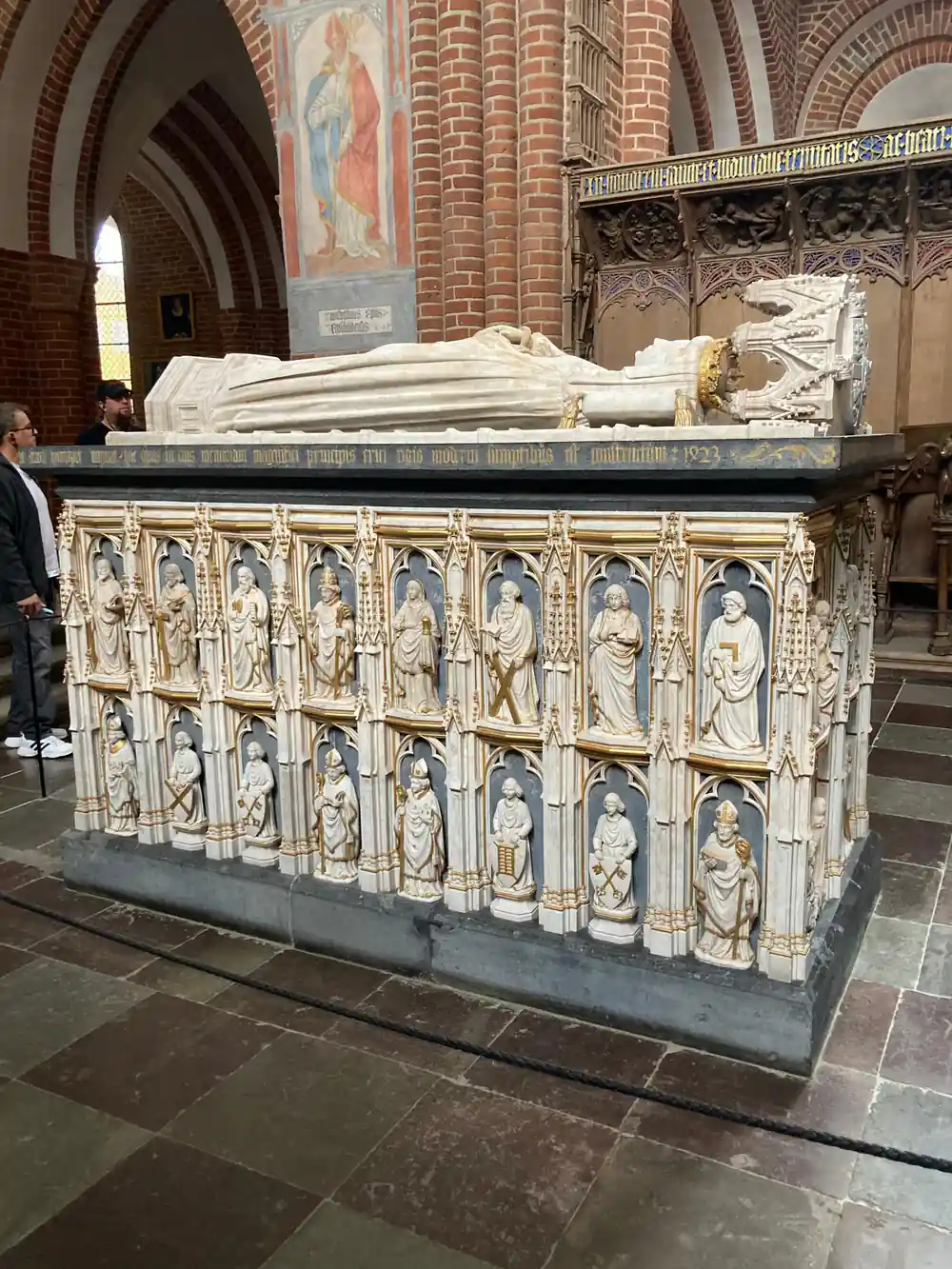
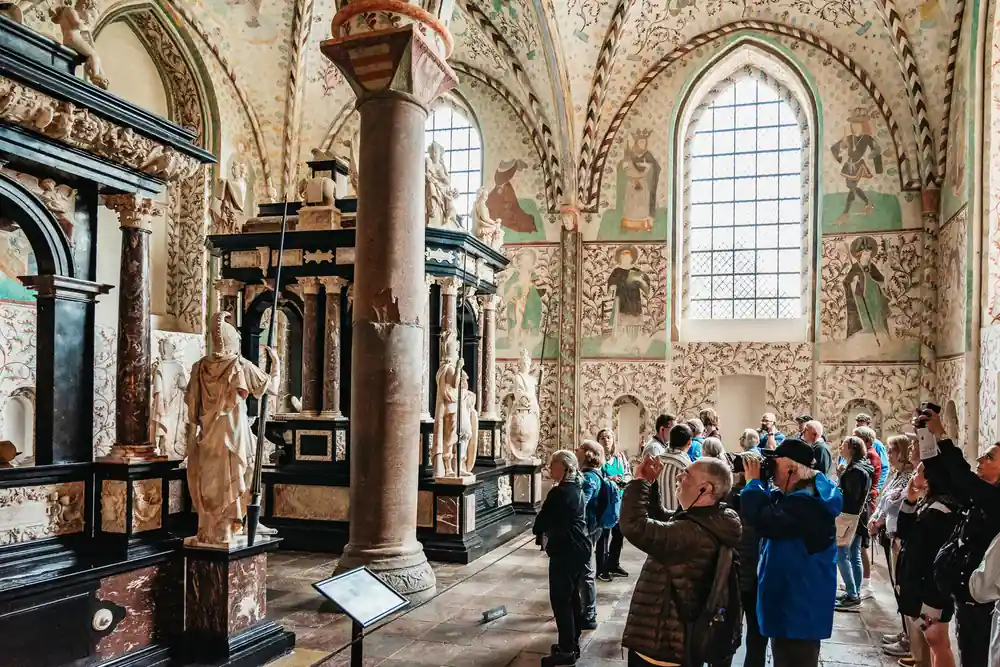
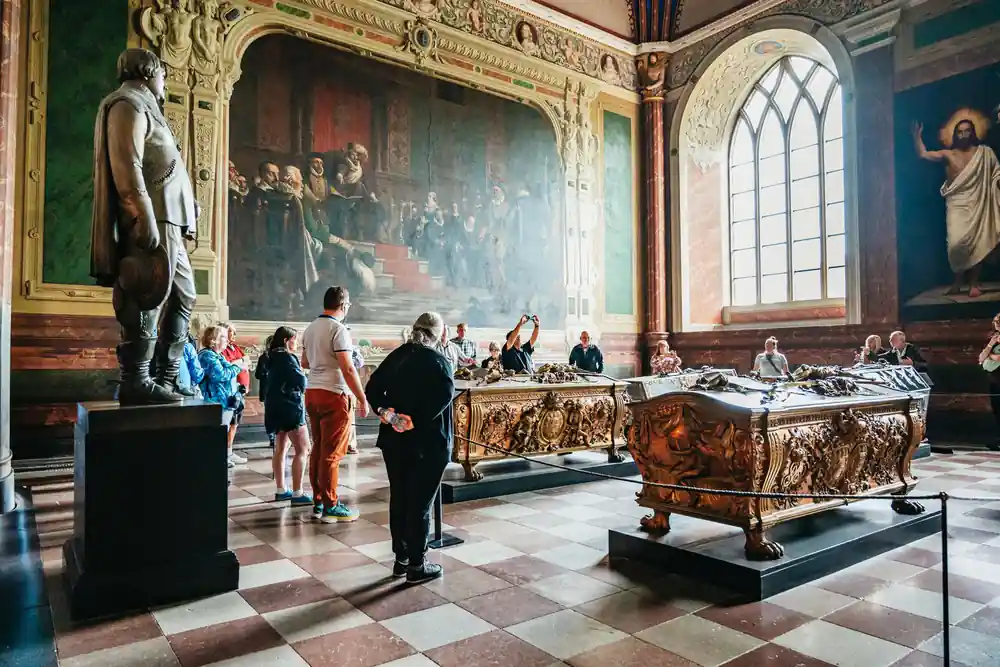
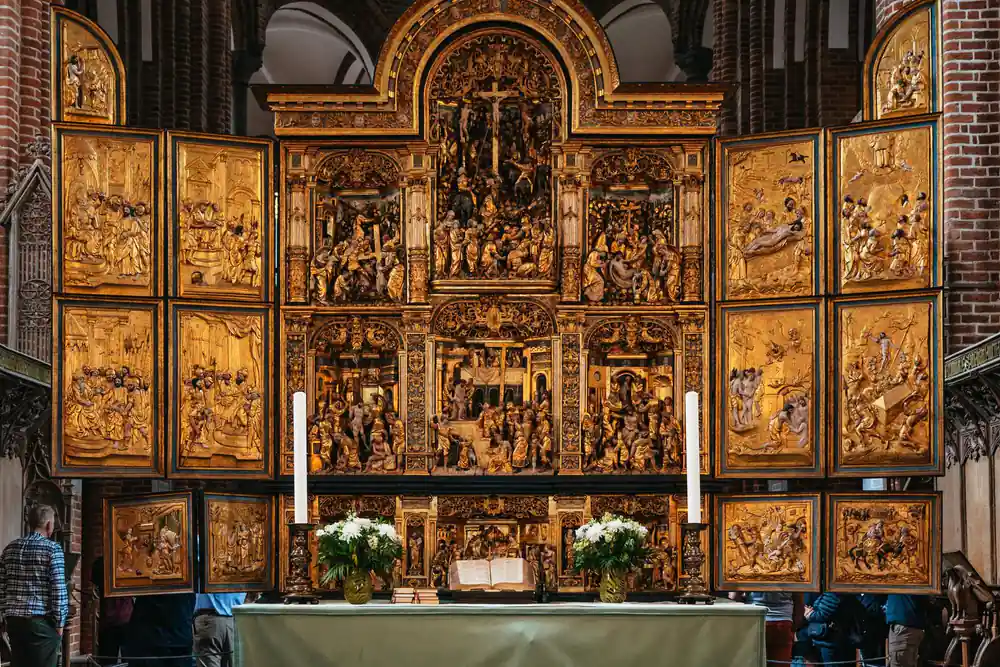
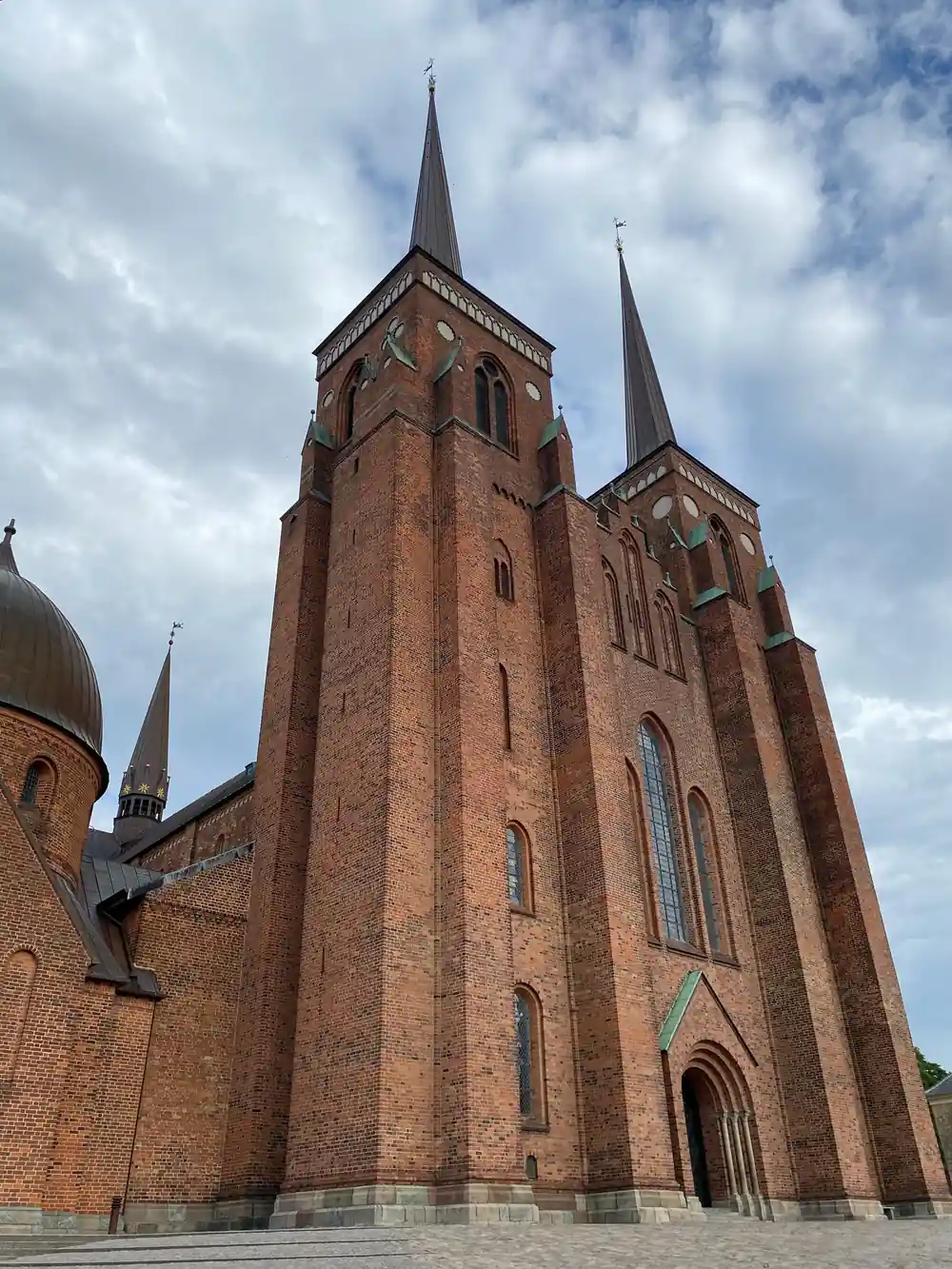
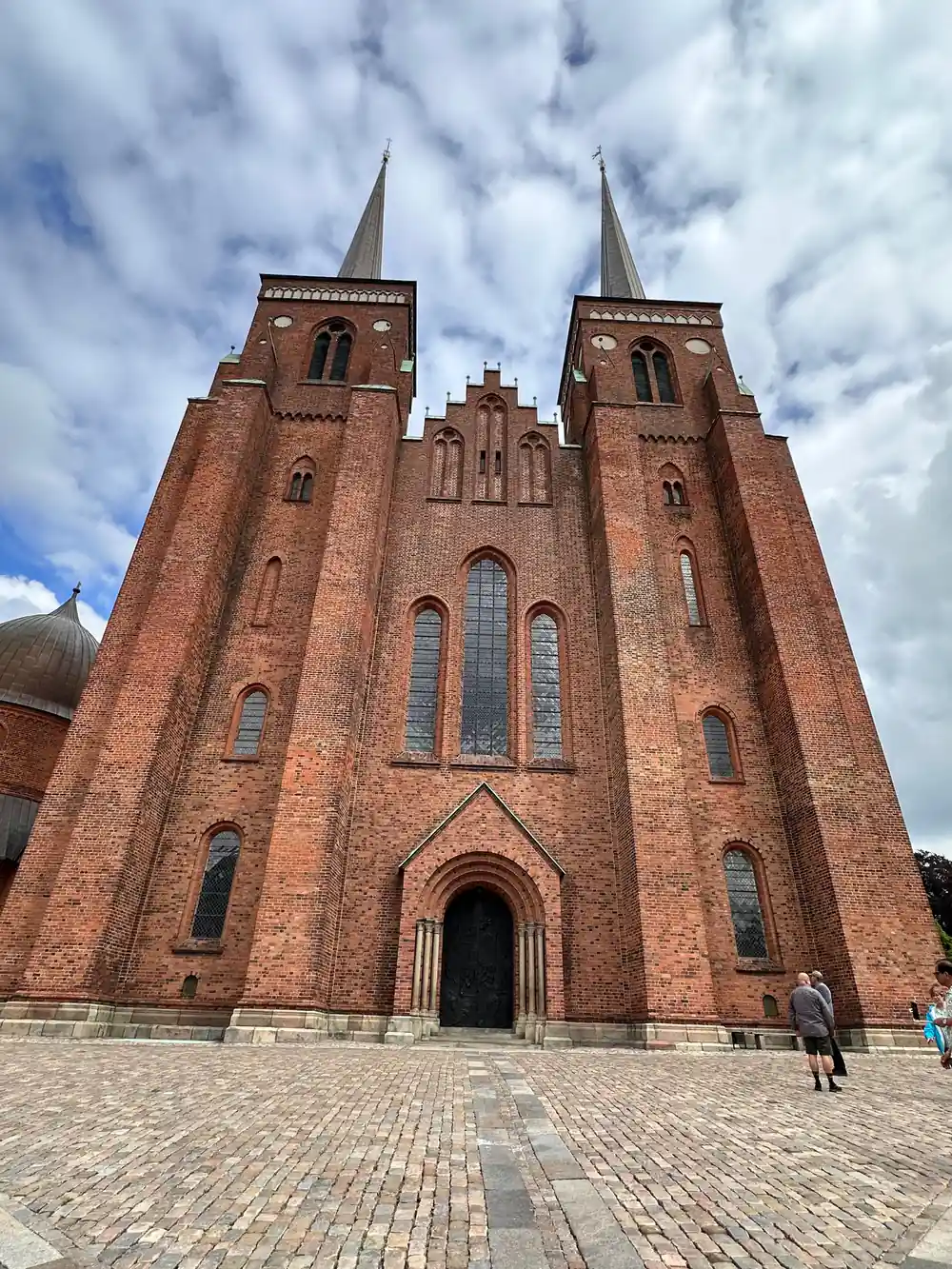
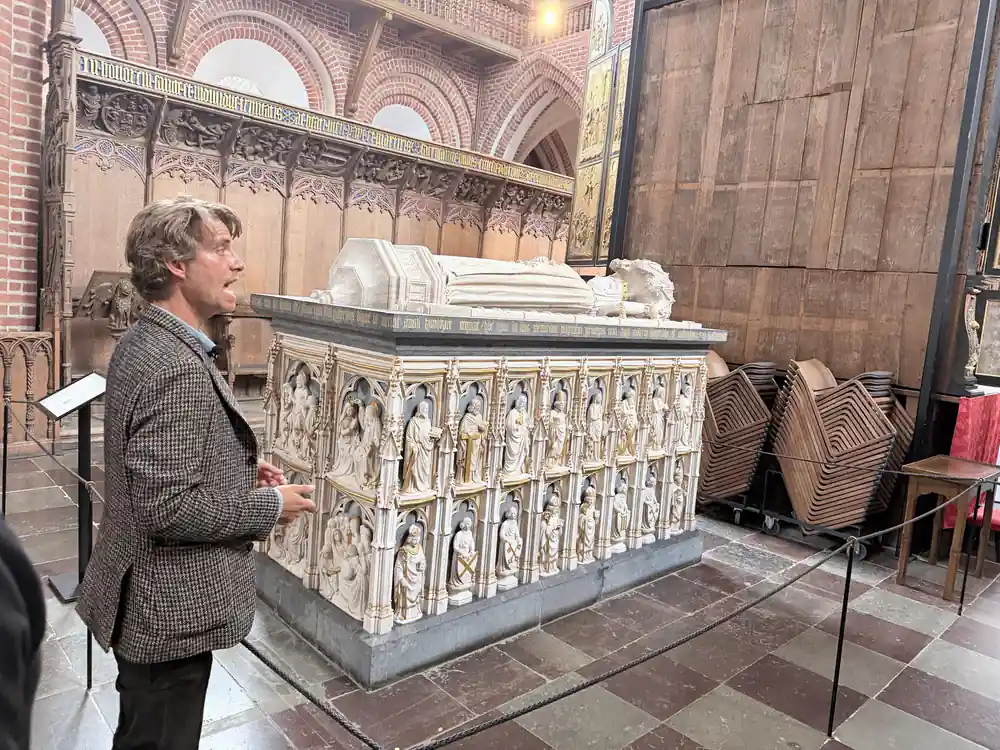
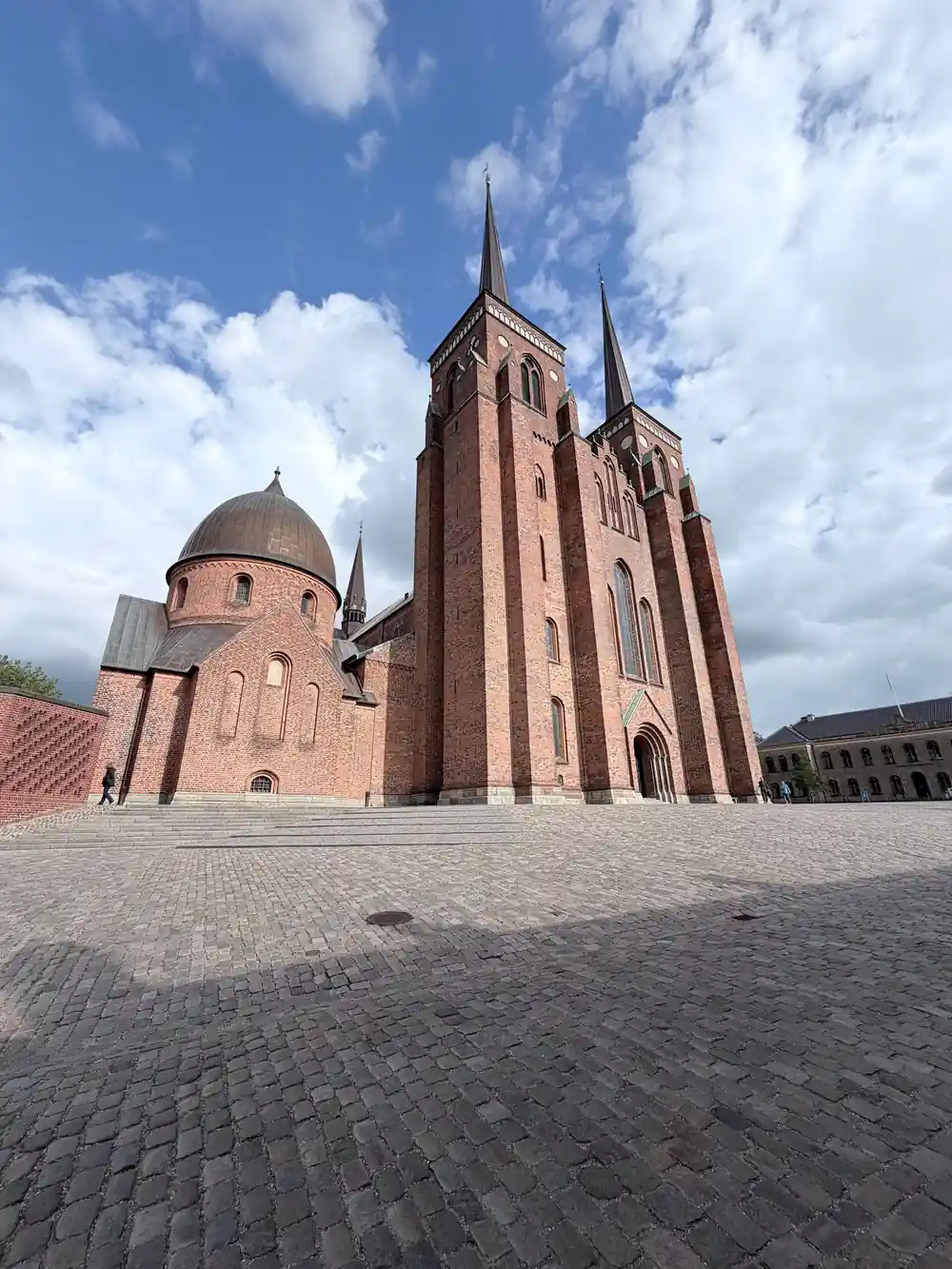
Roskilde Cathedral stands as the final resting place of Danish monarchs since the 12th century. The Gothic structure dominates the town's skyline and contains the tombs of 39 rulers, making it one of Europe's most significant royal burial sites. Walking through its chapels and naves, you encounter centuries of dynastic history in stone and sculpture. The cathedral's architecture evolved across medieval and Renaissance periods, each era visible in its design. Your guide contextualises what you're seeing rather than leaving you to decipher plaques alone.
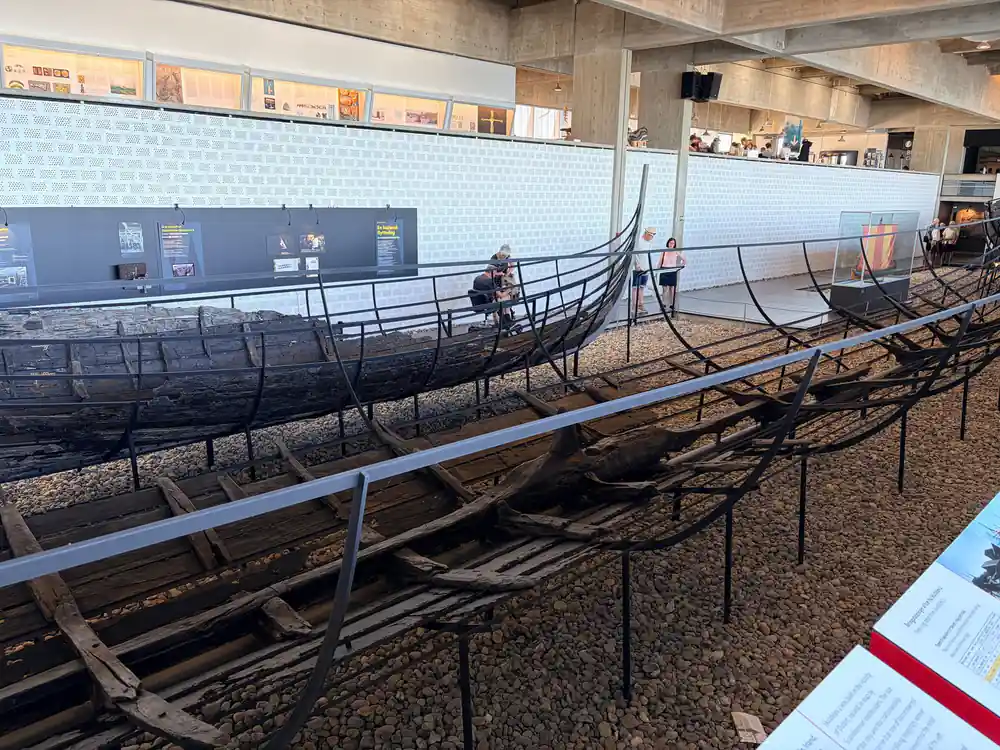
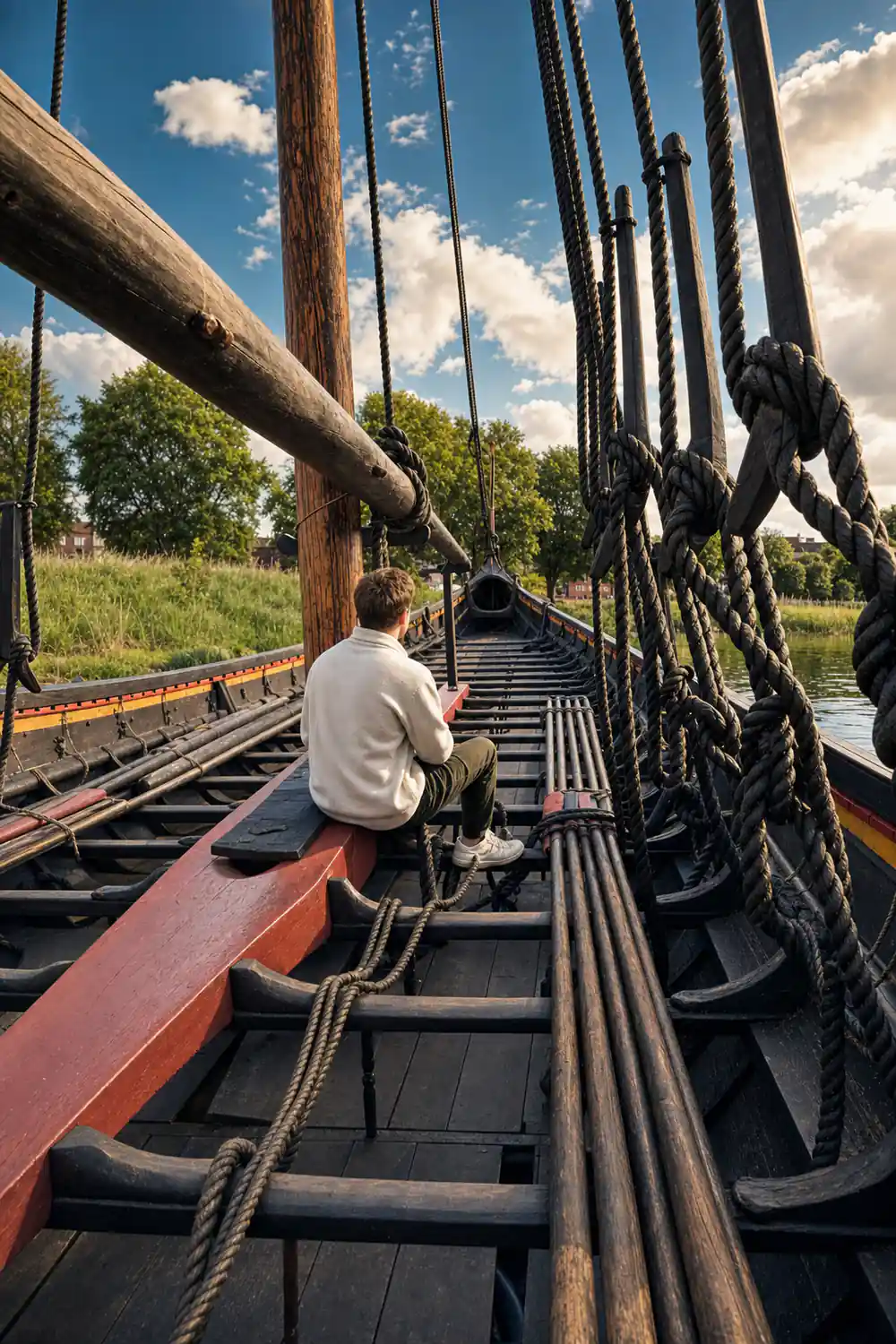
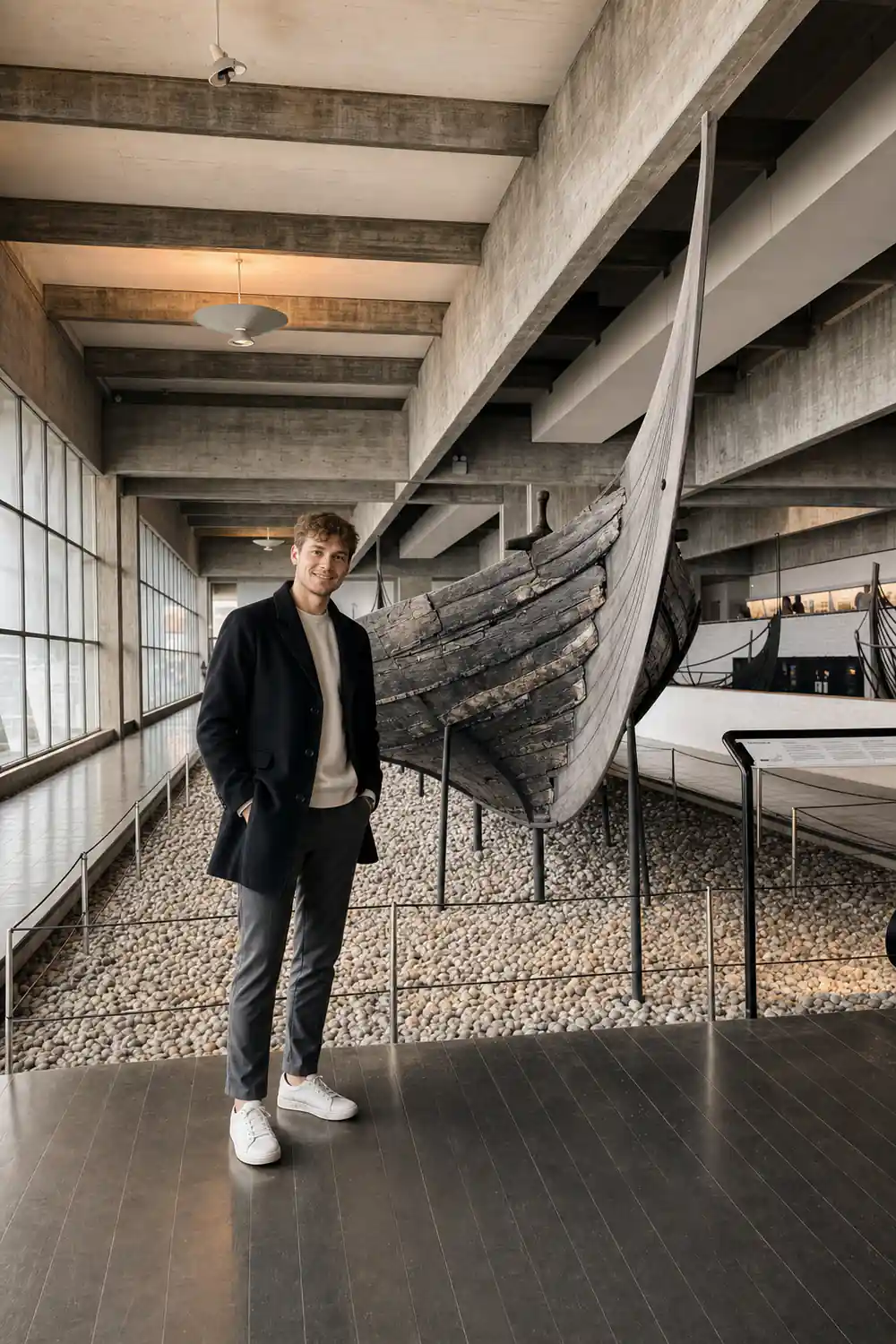
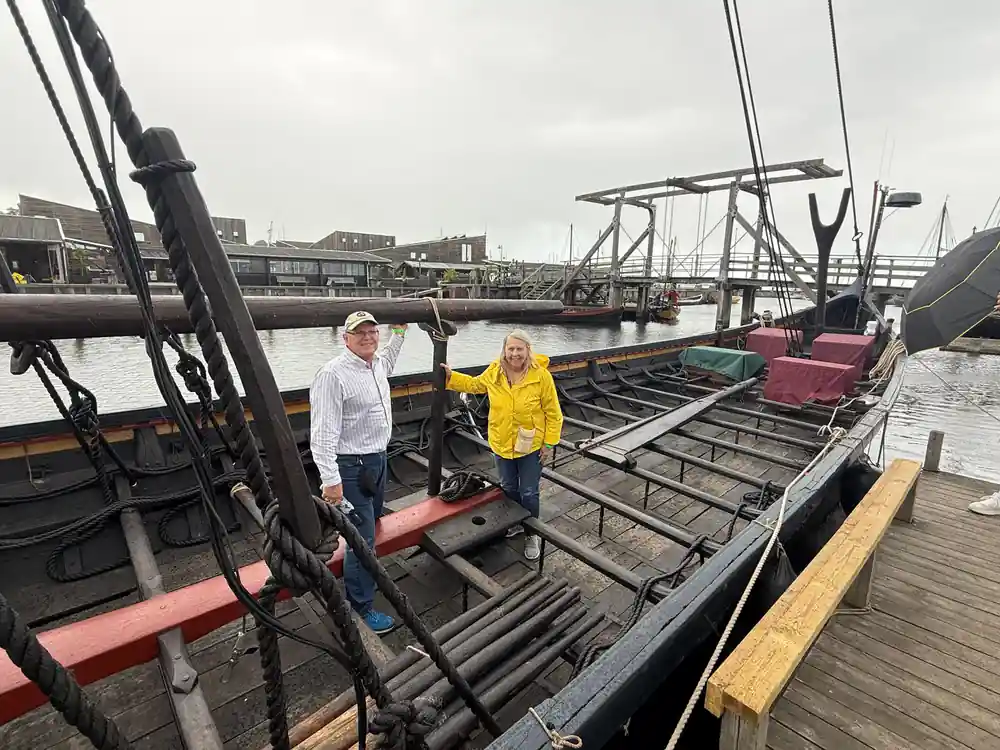
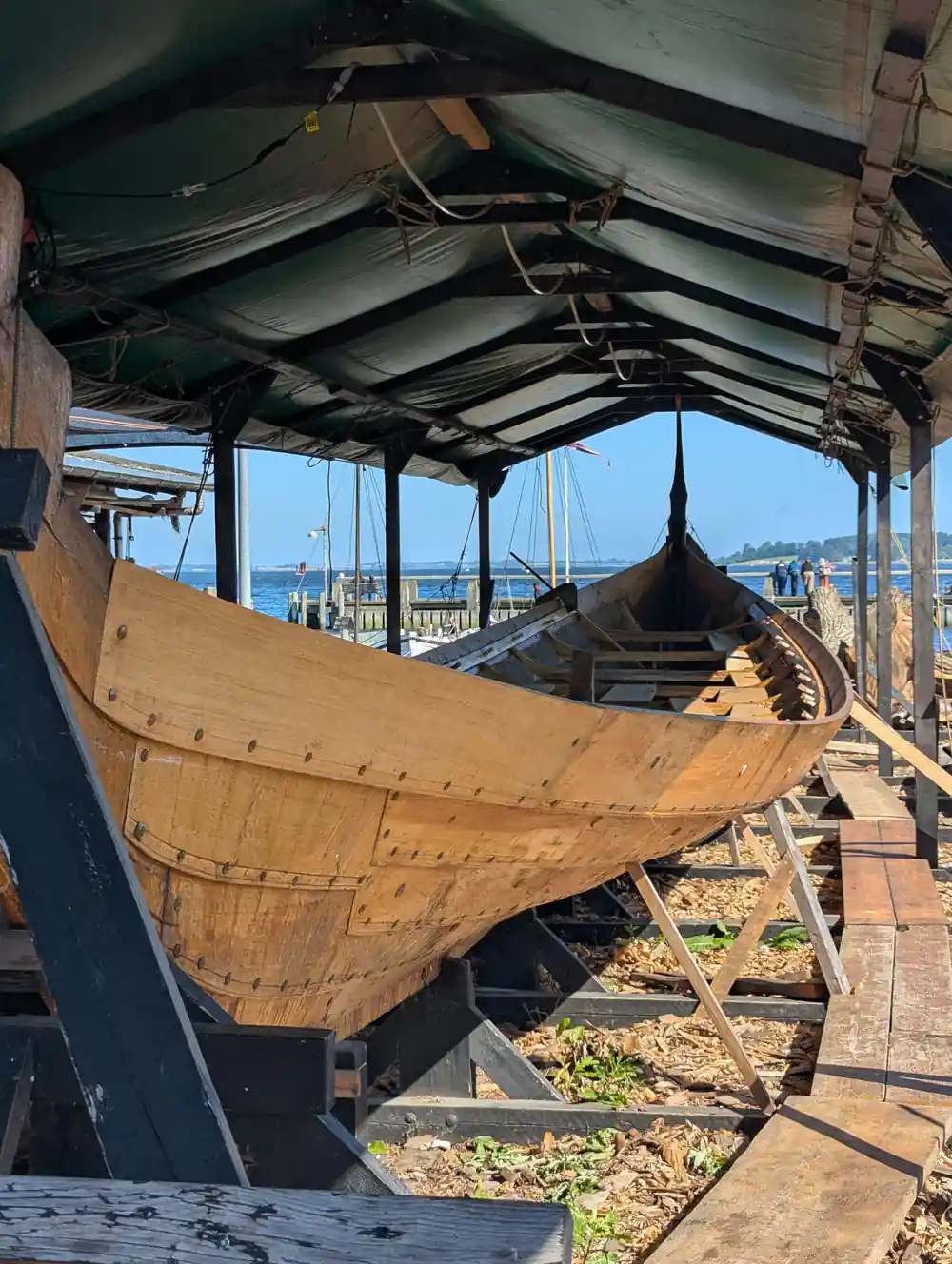
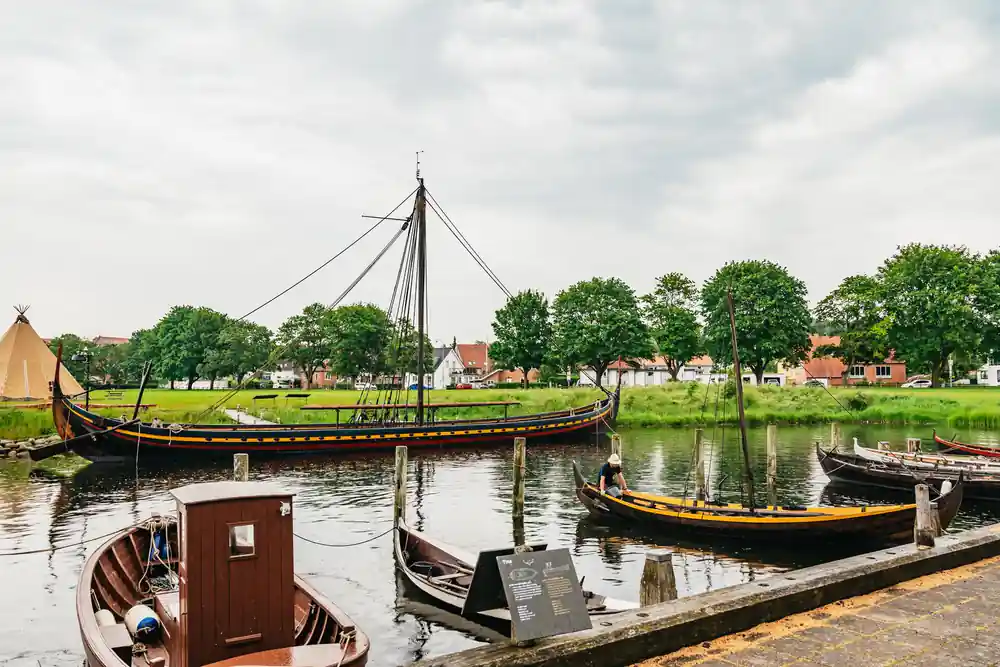
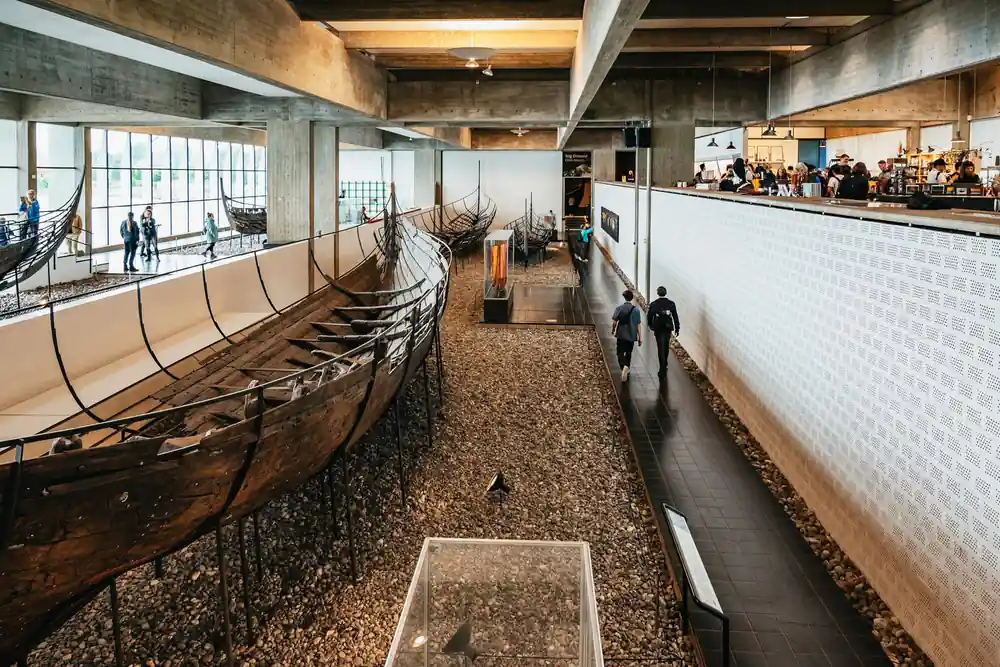
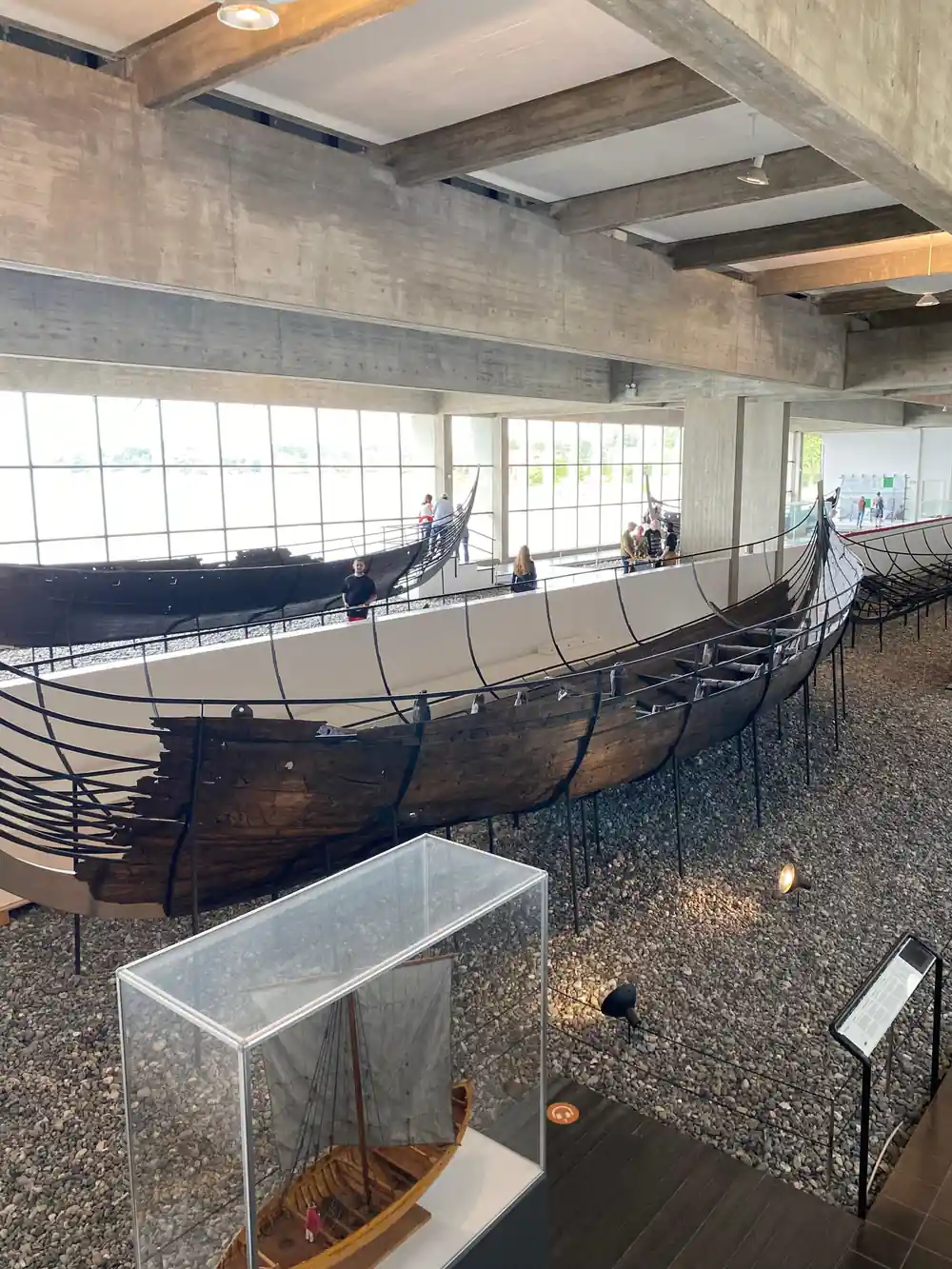
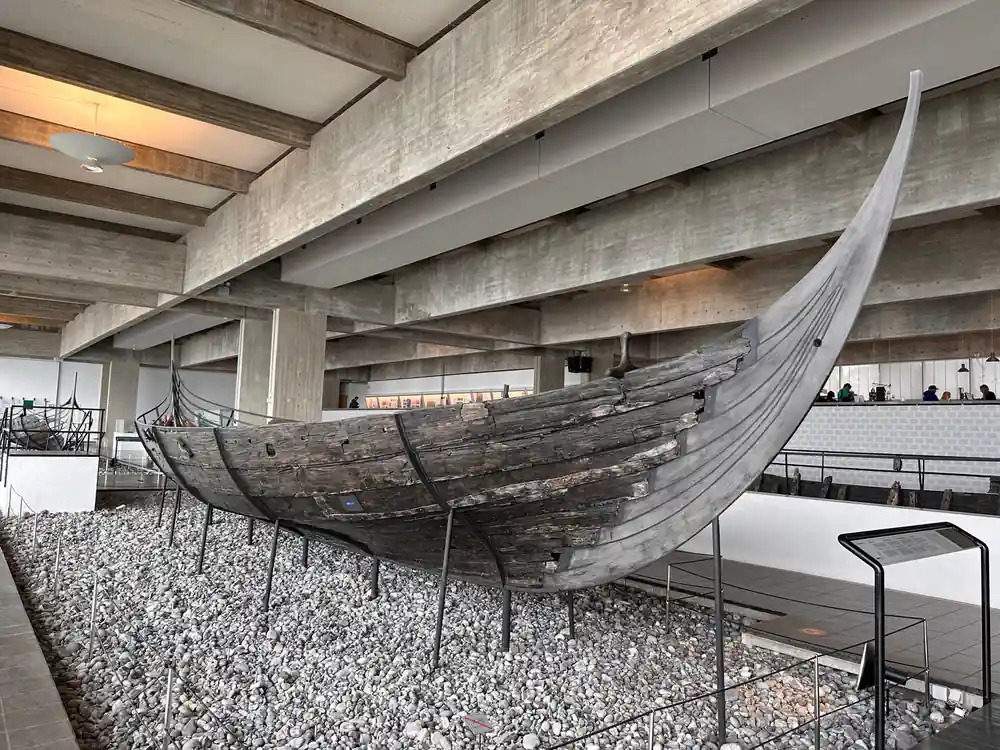
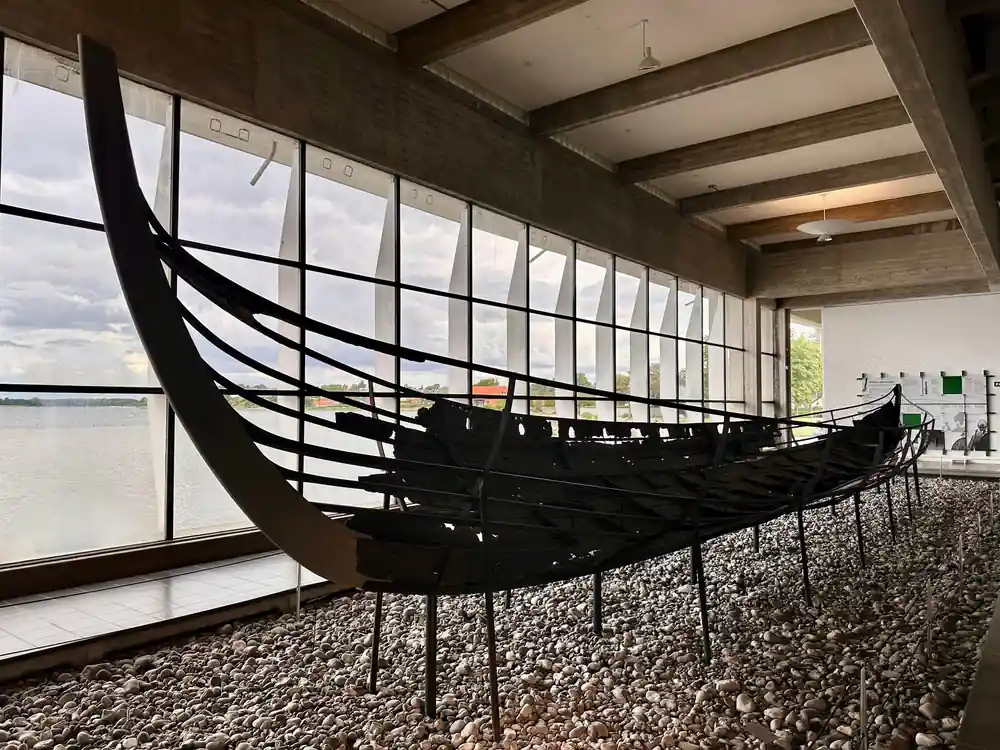
The Viking Ship Museum sits nearby in the same town and presents five genuine Viking vessels excavated from the local fjord. These ships, deliberately sunk to block a medieval harbour entrance, reveal how Vikings built their legendary vessels. You see the actual timber, the construction techniques, and the scale of these craft. The museum demonstrates that Viking Denmark was not primitive but rather a sophisticated maritime culture with engineering knowledge and strategic thinking. Together, Roskilde Cathedral and the Viking Ship Museum show Denmark's arc from Viking seafarers to Christian kingdom.
Frederiksborg Castle: the crown jewel of Danish Renaissance architecture
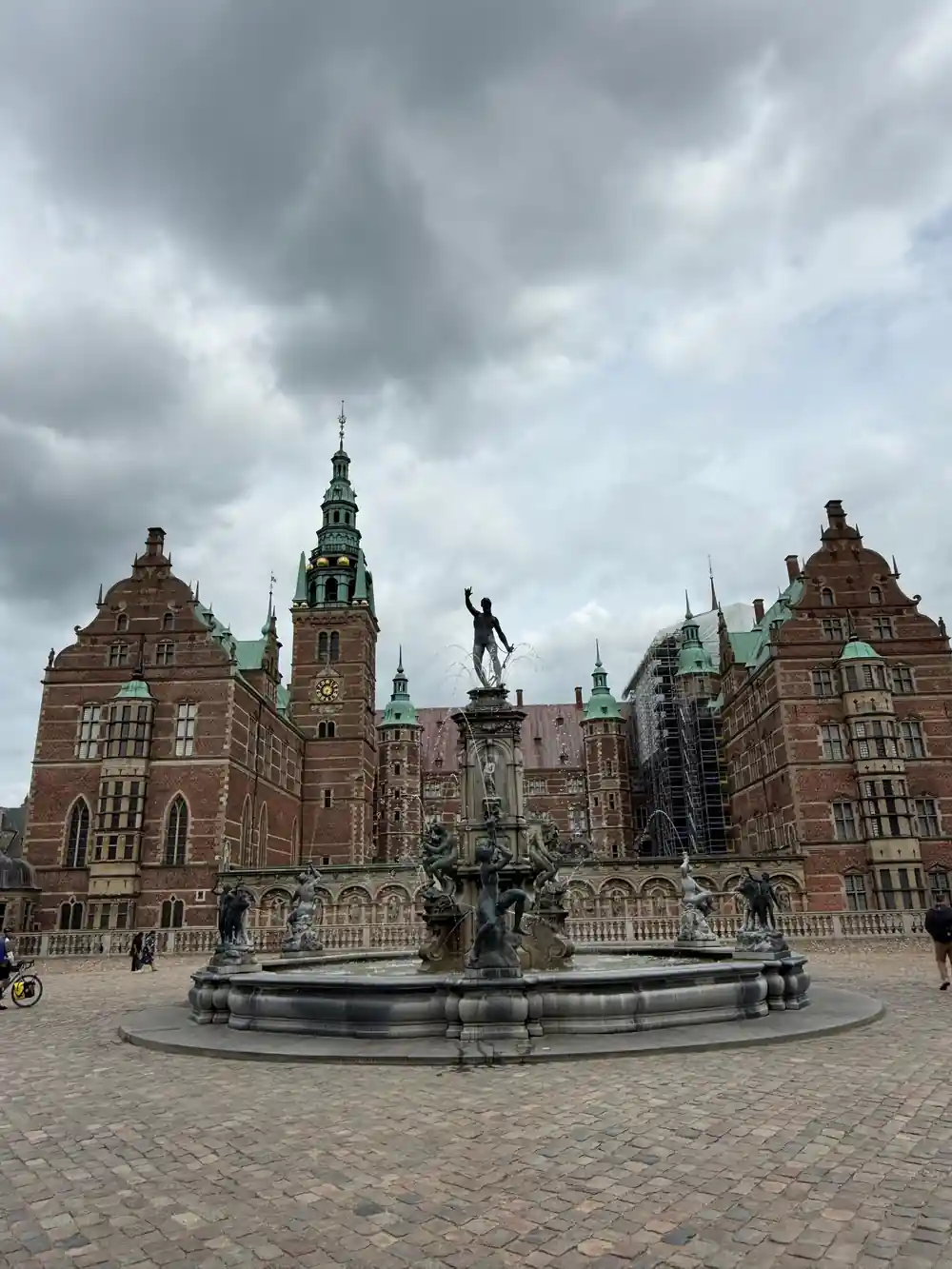
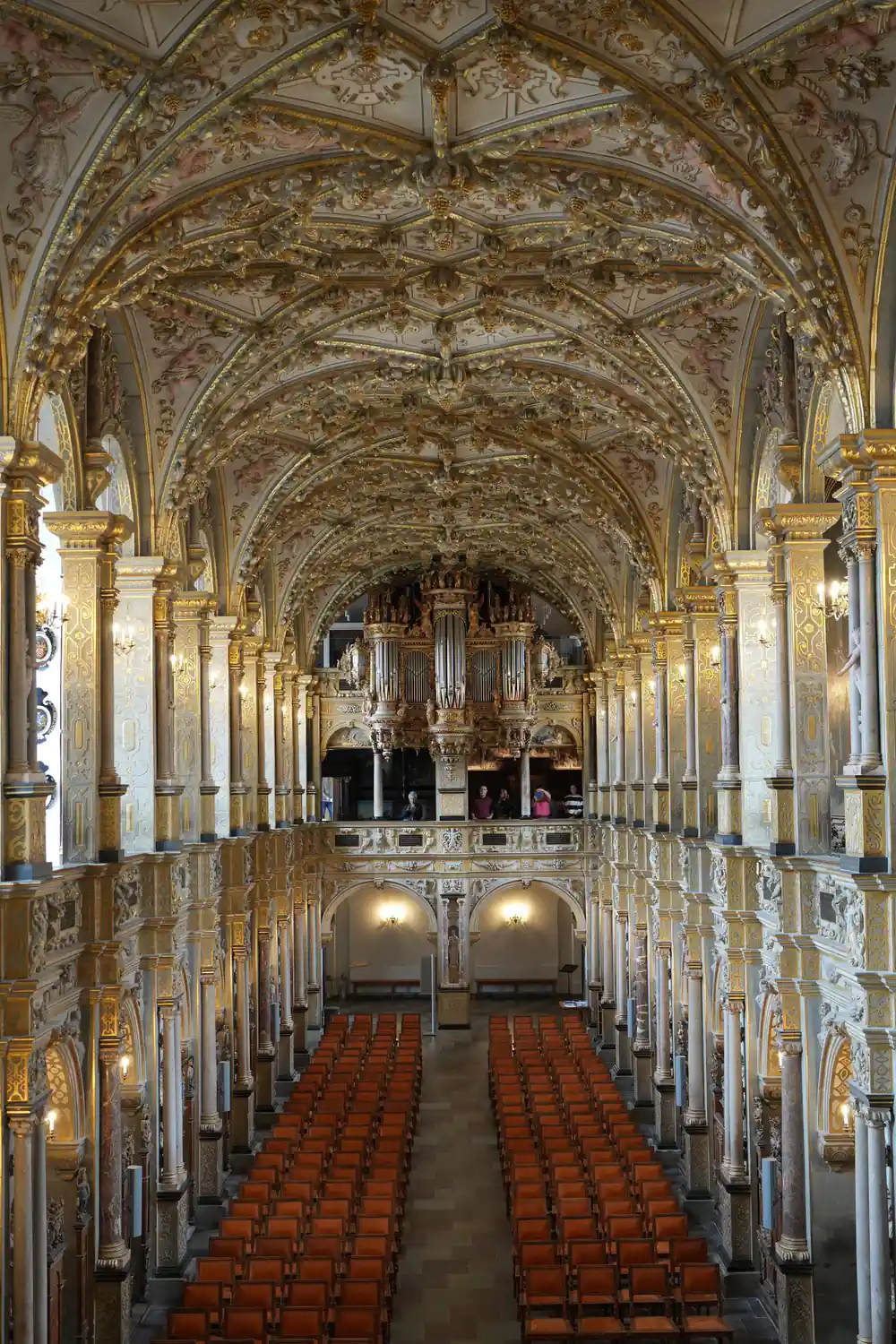
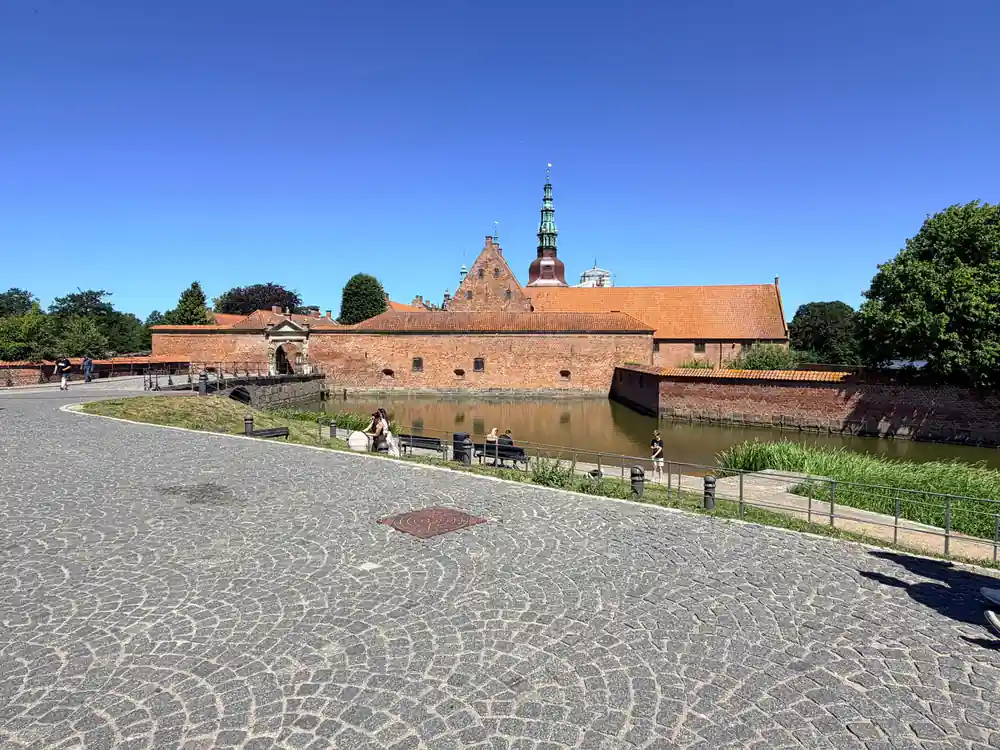
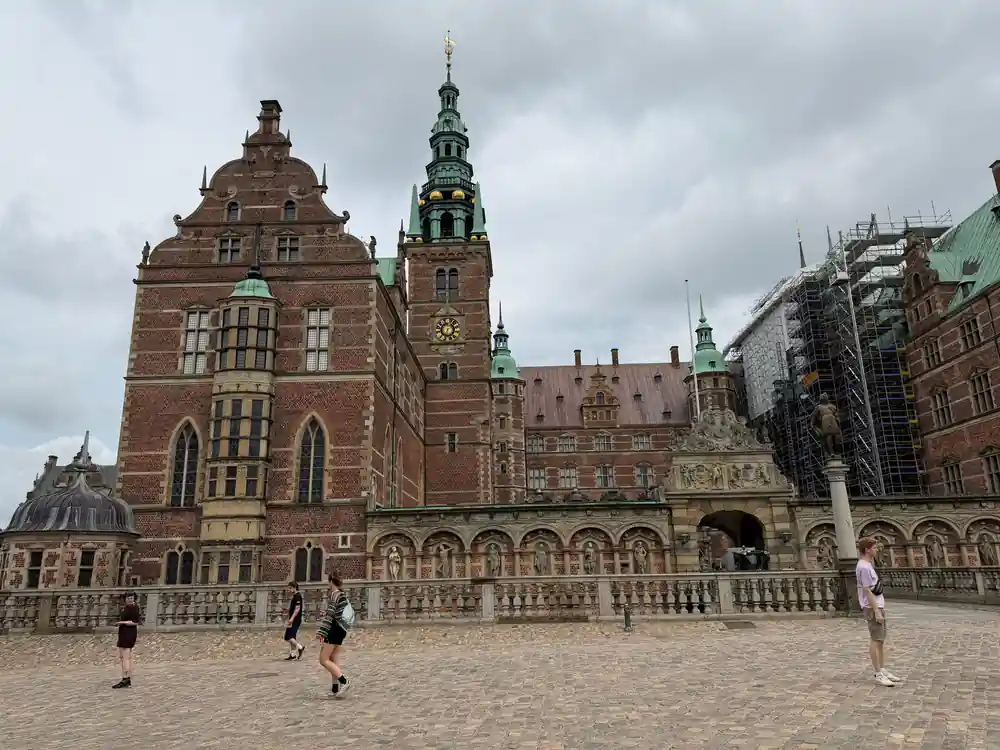
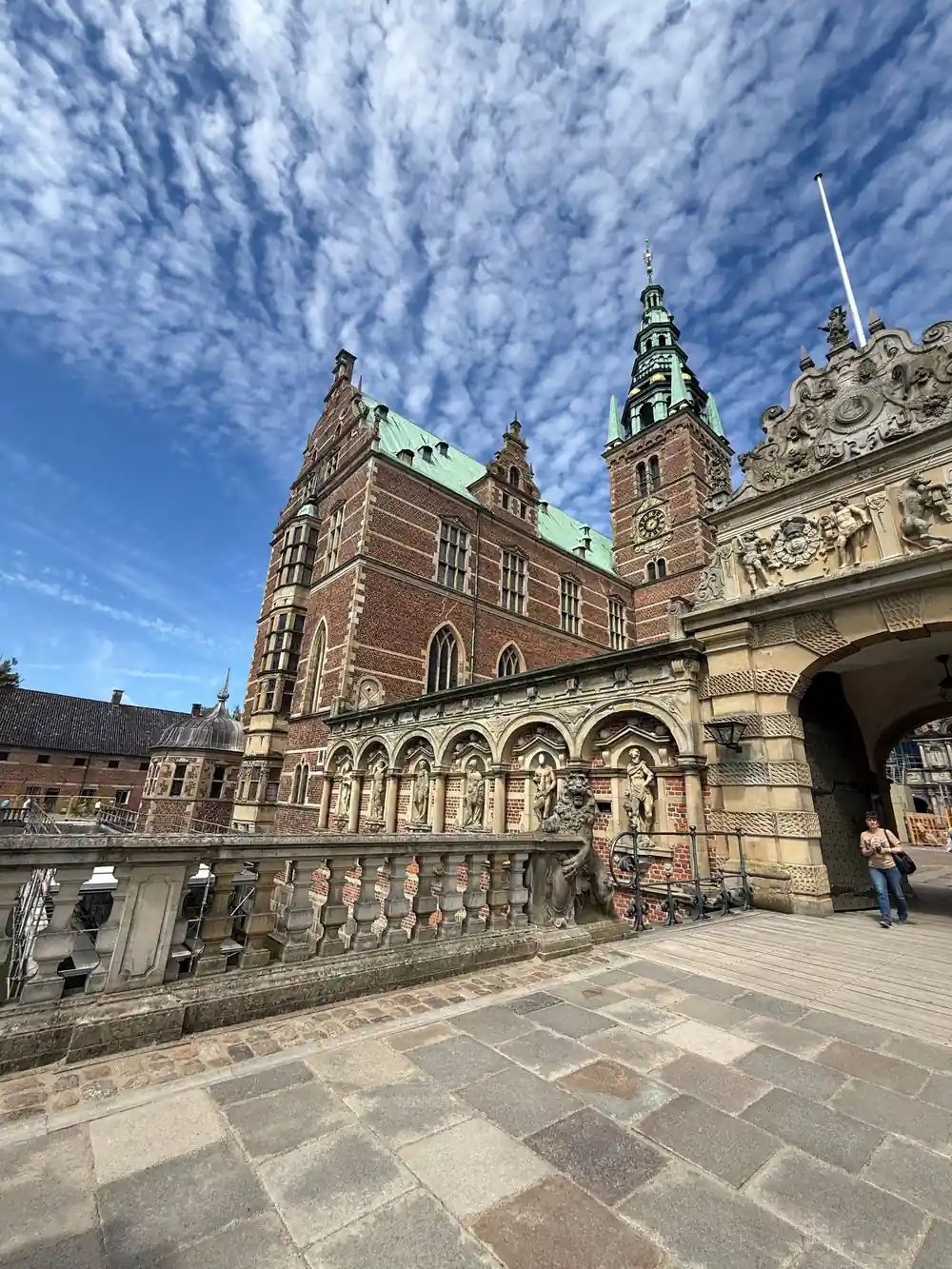
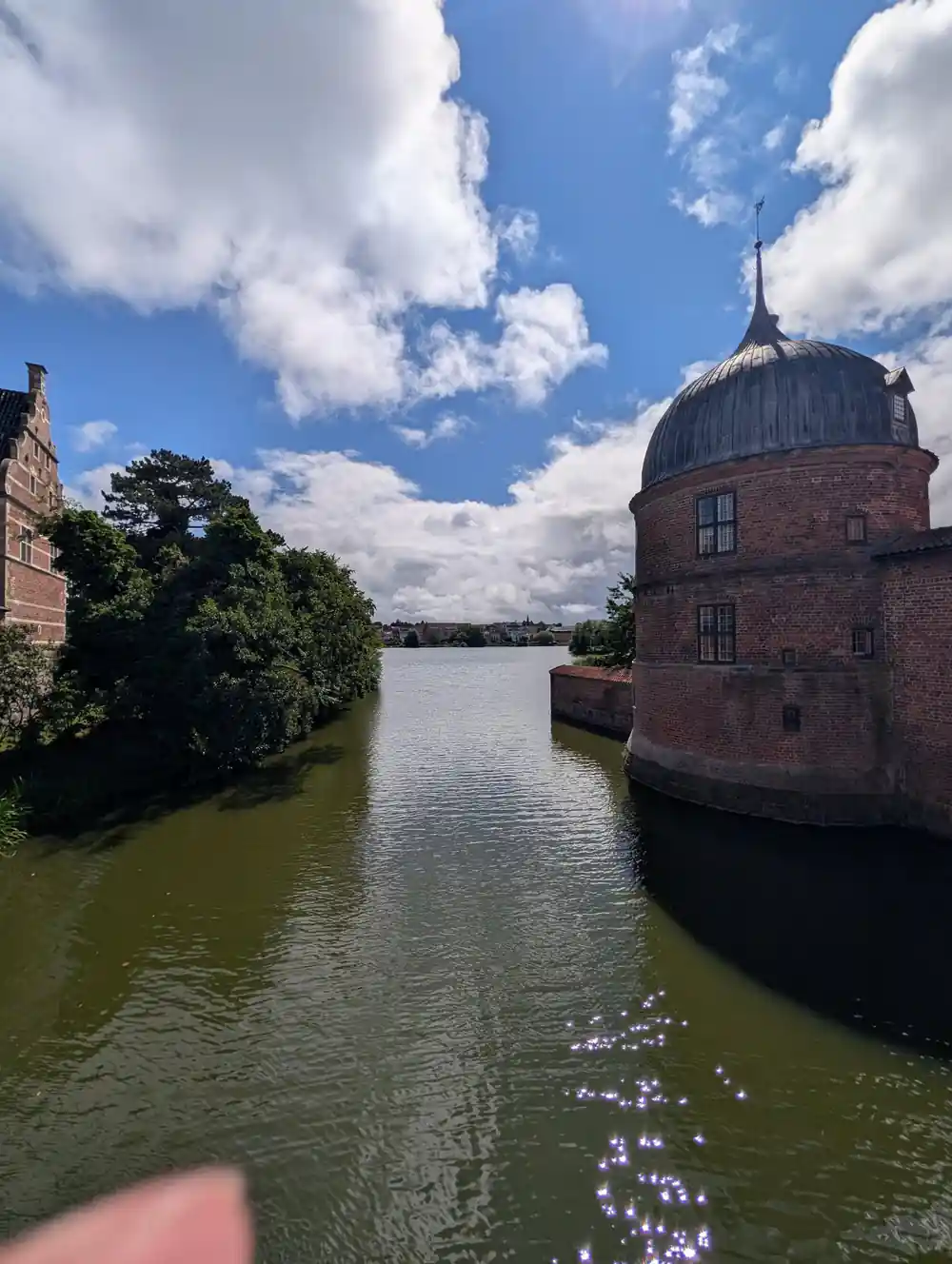
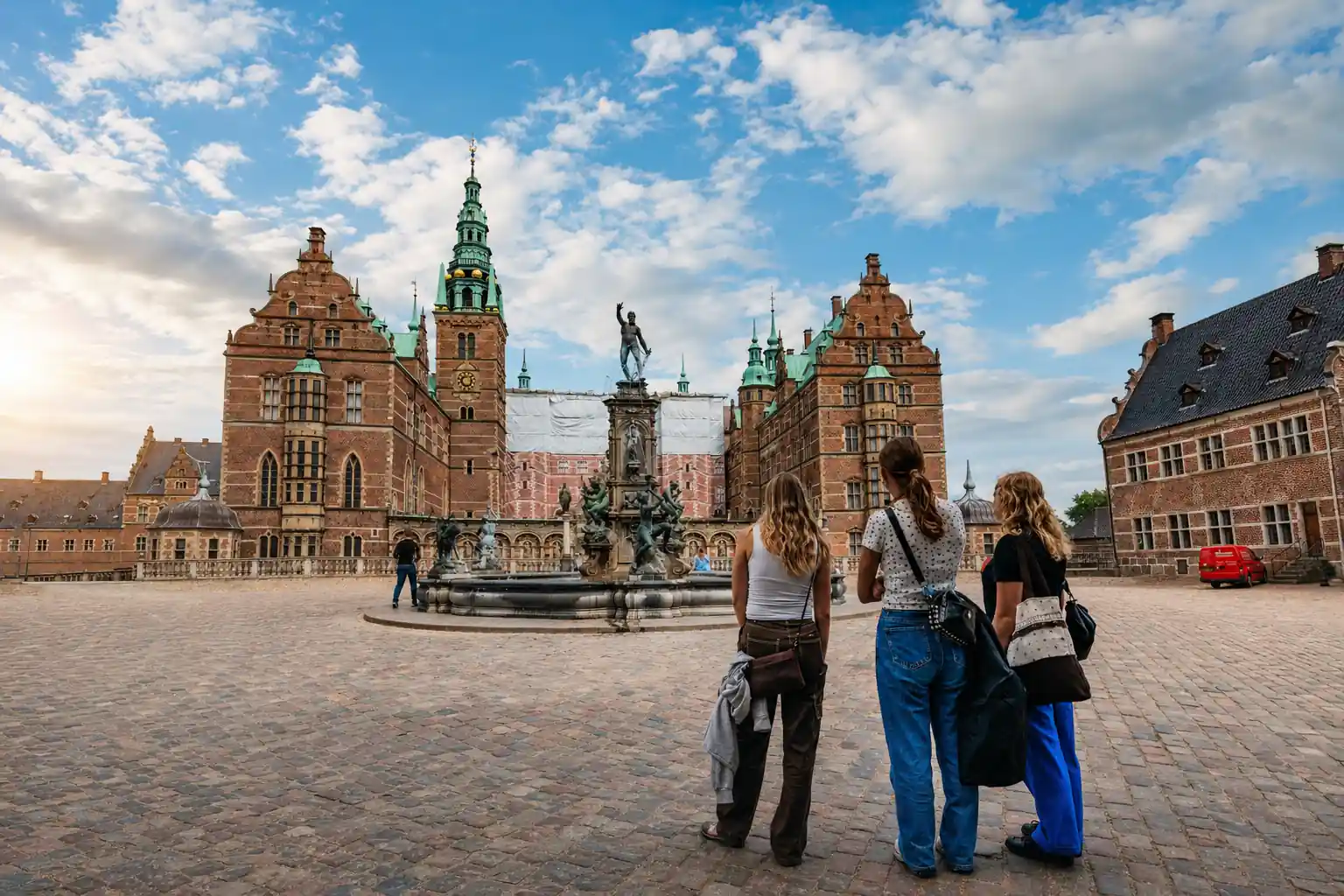
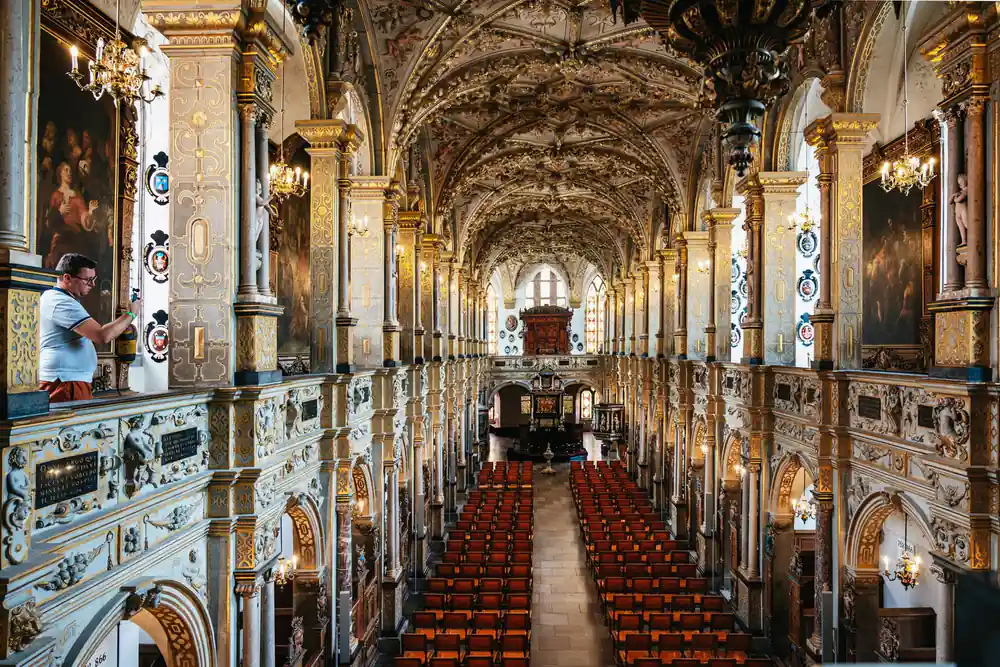
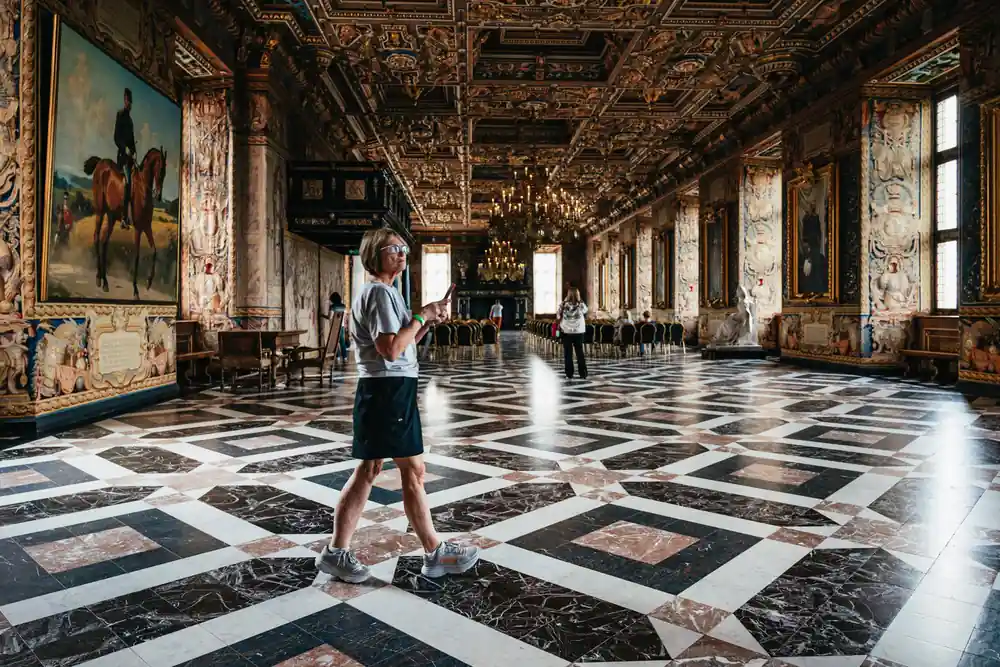
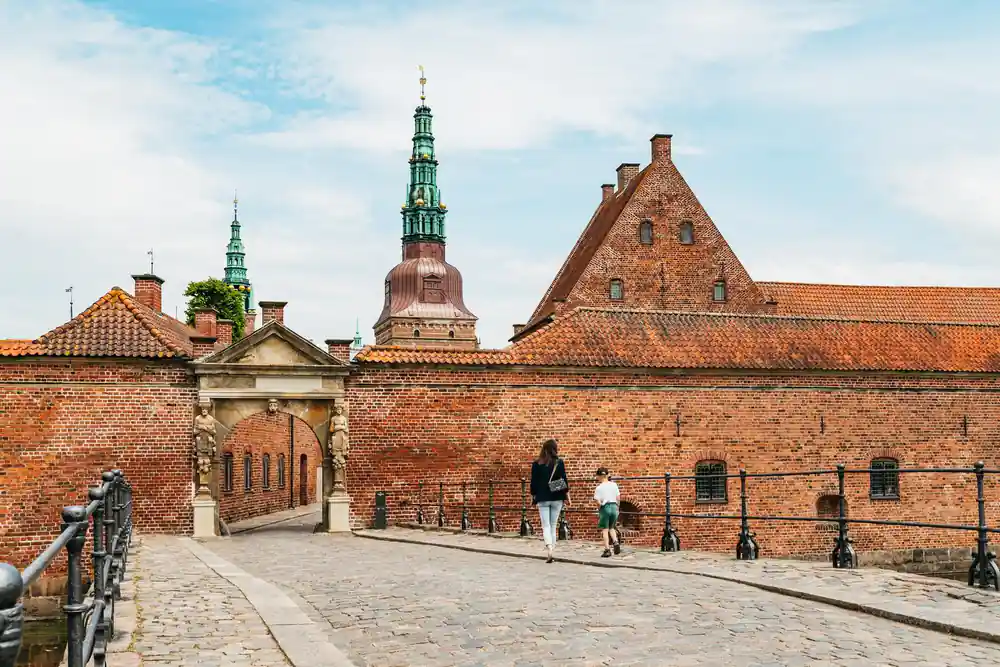
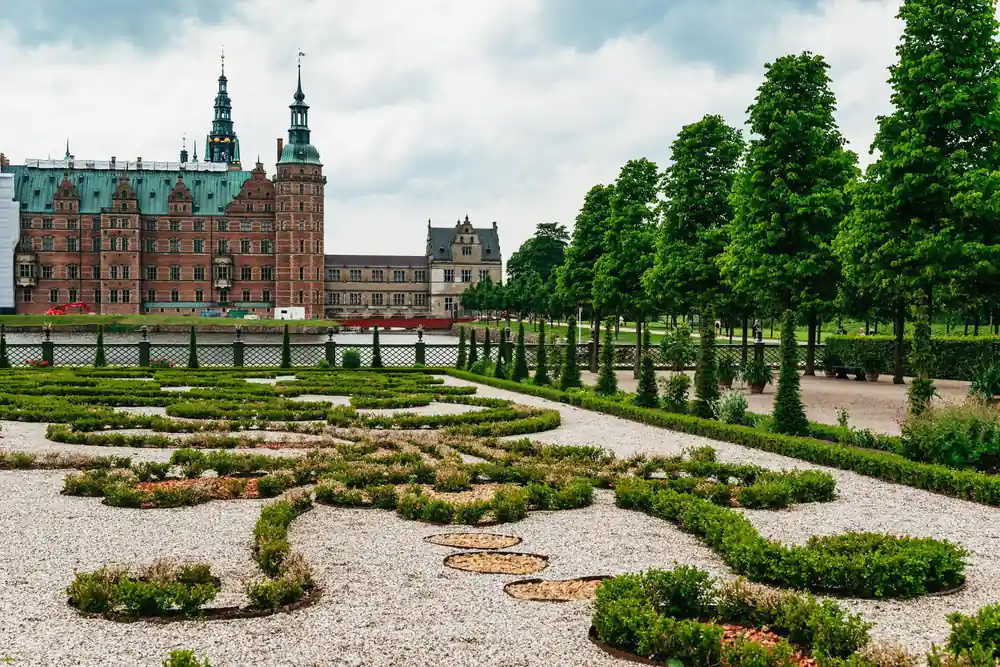
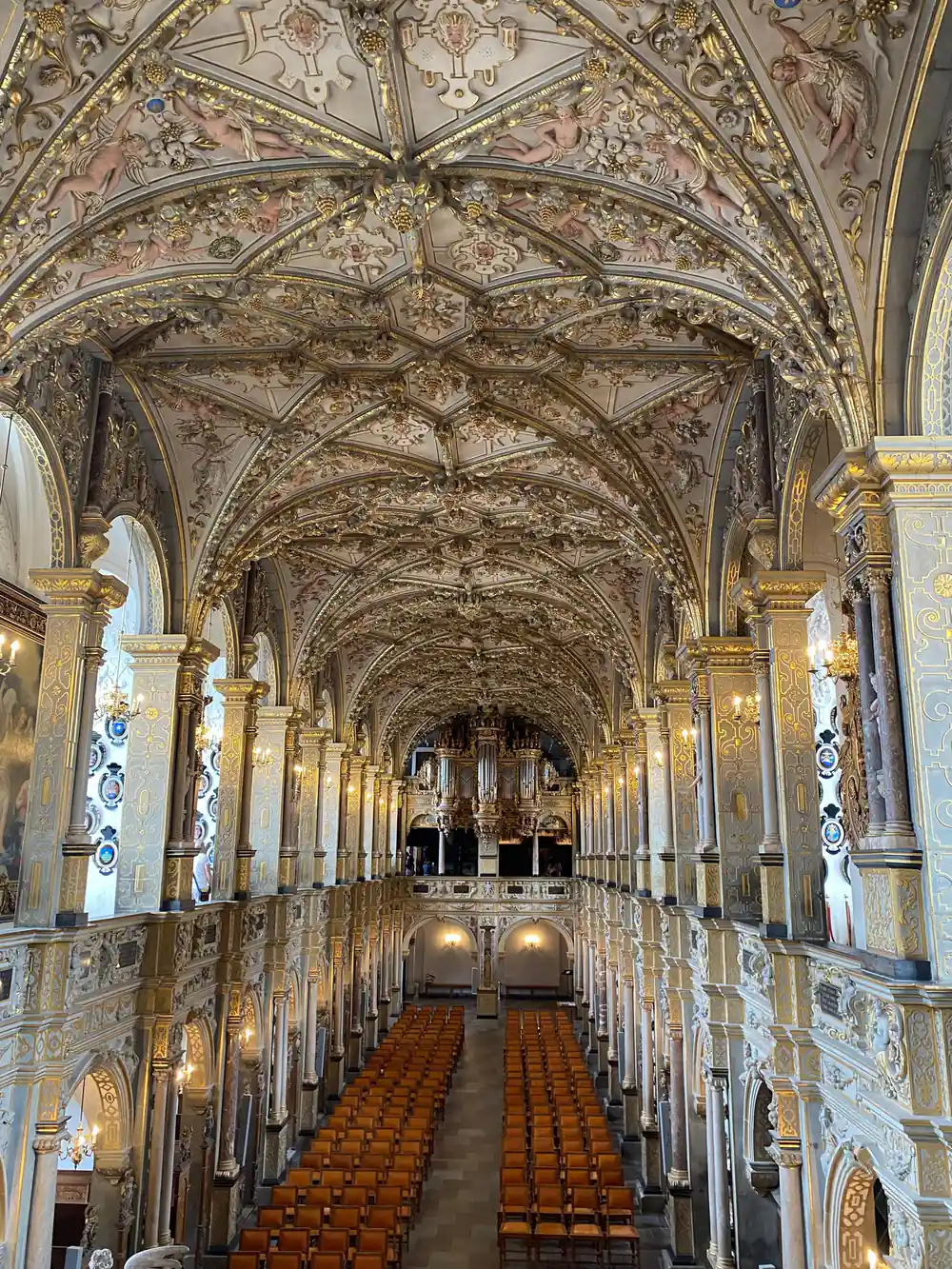
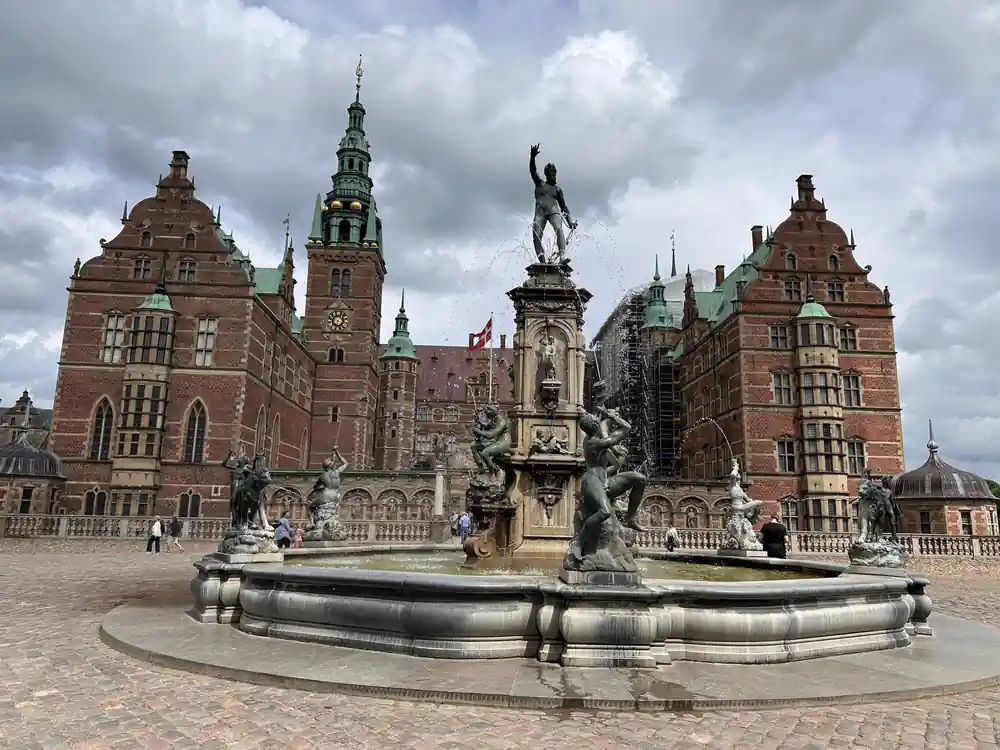
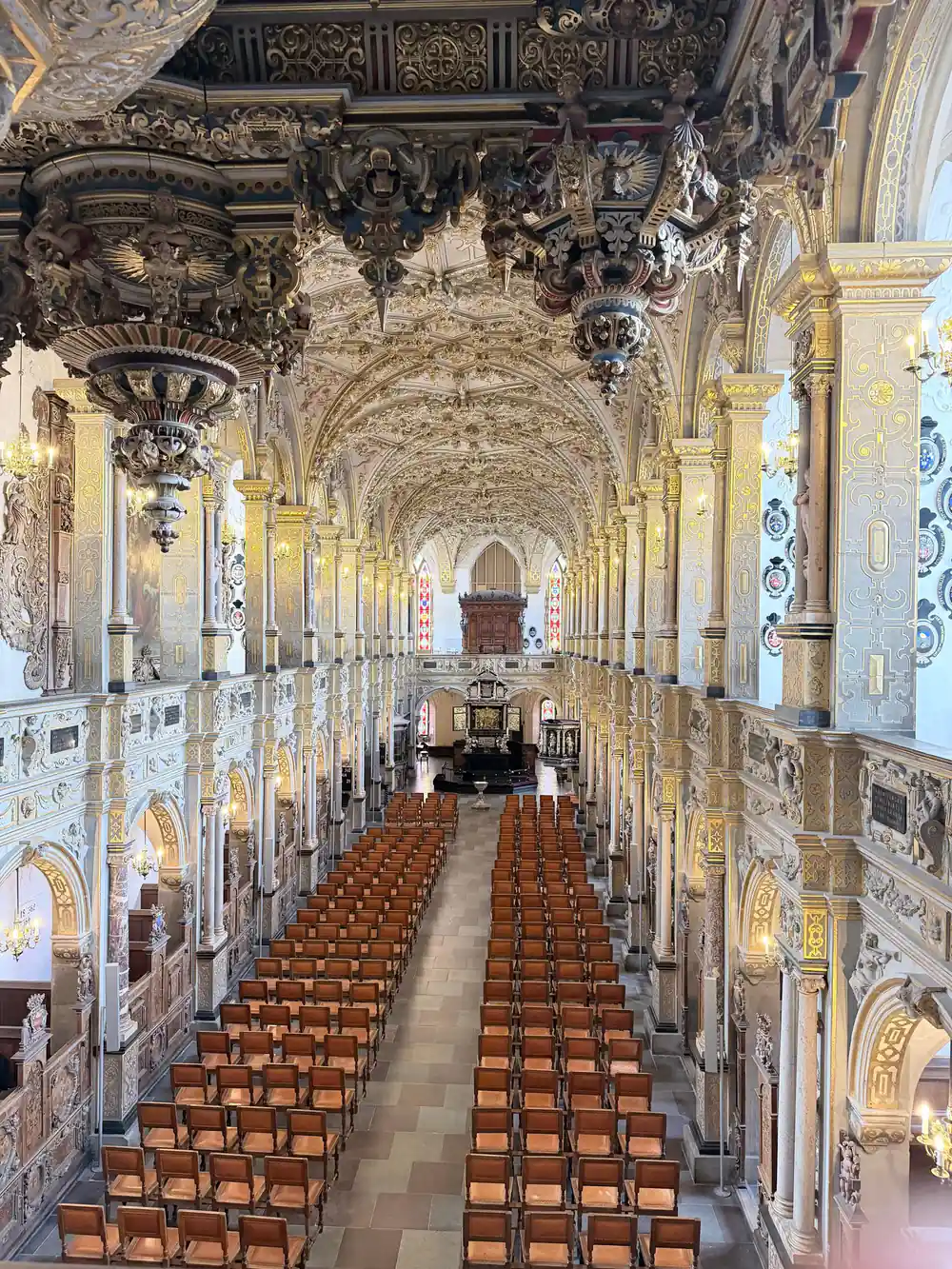
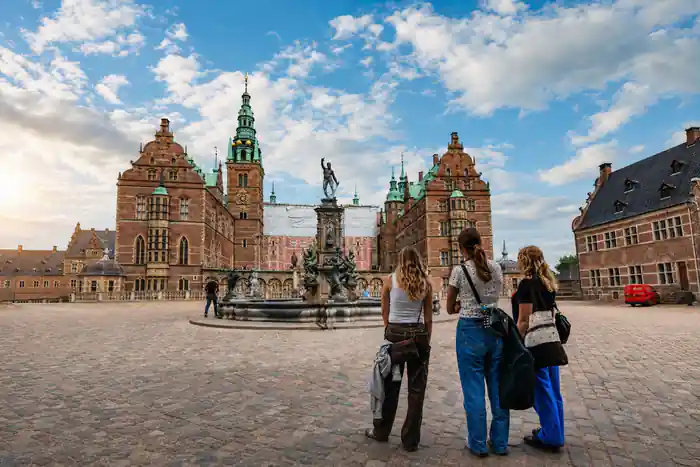
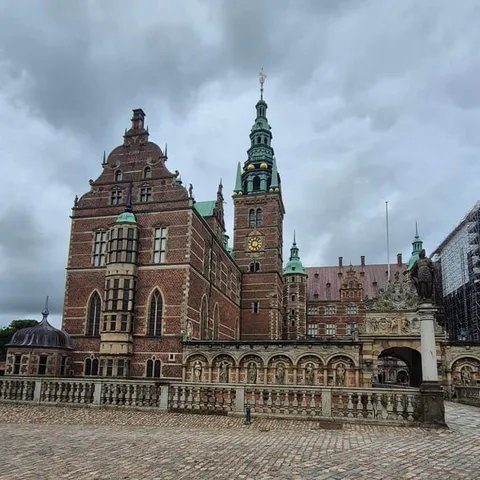
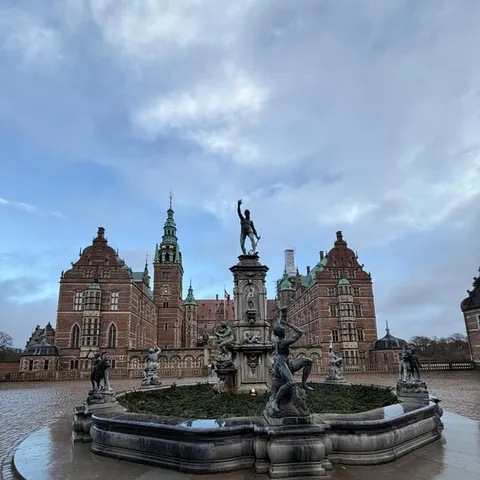
Frederiksborg Castle rises from three islands in a lake north of Copenhagen, its red-brick facades and copper spires creating one of Scandinavia's most photographed scenes. Built by King Christian IV in the early 1600s, it served as the royal residence and coronation site for Danish monarchs. The castle combines Dutch Renaissance style with Danish traditions, reflecting the cultural currents of its era. Inside, the rooms showcase royal furnishings, paintings, and decorative arts across multiple centuries. The Museum of National History occupies much of the castle's interior, presenting Danish cultural development through objects and installations.
The Frederiksborg Castle tour from Copenhagen includes time to explore both the interior galleries and the surrounding formal gardens. These gardens, redesigned in the 19th century, offer perspectives of the castle's reflection in the water and create a sense of the grandeur intended by its original builders. The sheer scale of the complex conveys the power and resources of the Danish crown during its most confident period. Your guide contextualises the architectural styles and explains how the castle's role changed after a major fire in 1859, when it was restored as a museum rather than a residence.
Kronborg Castle: Hamlet's castle and Denmark's defensive fortress
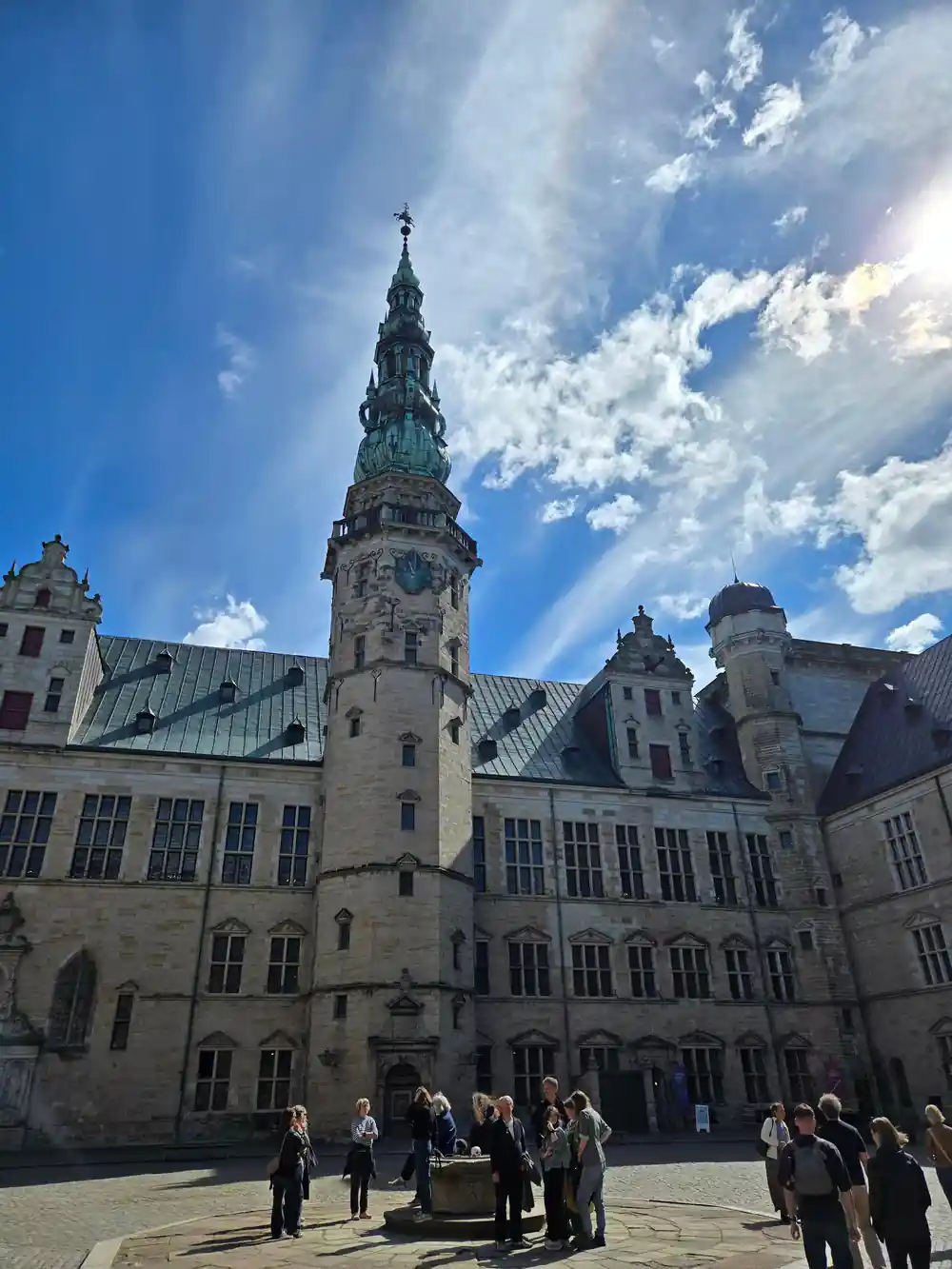
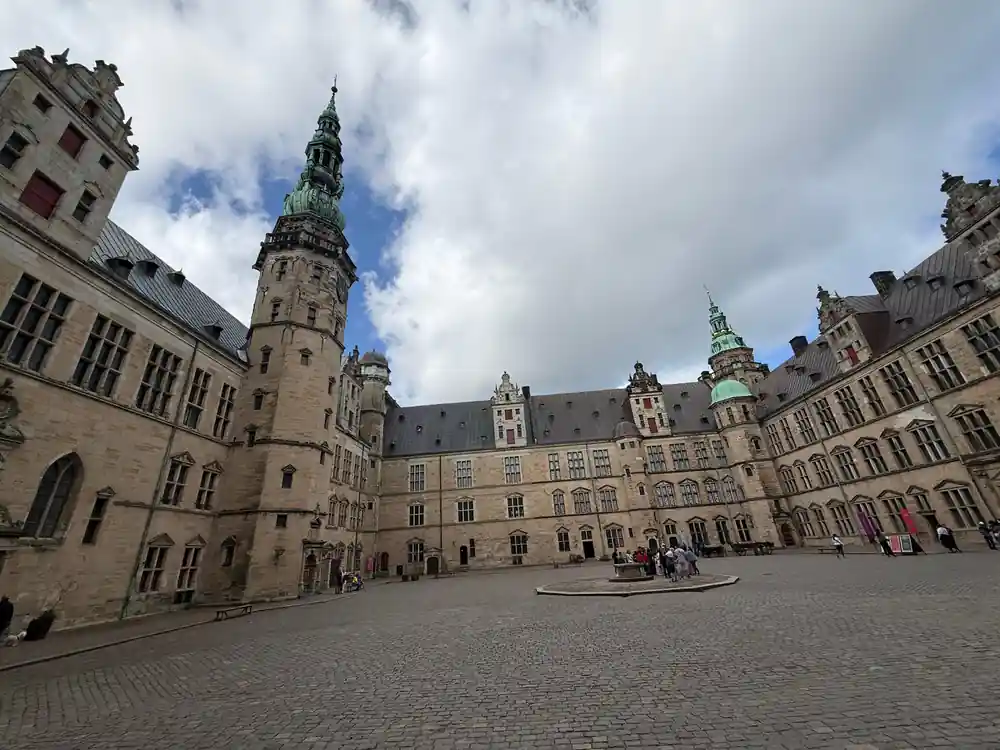
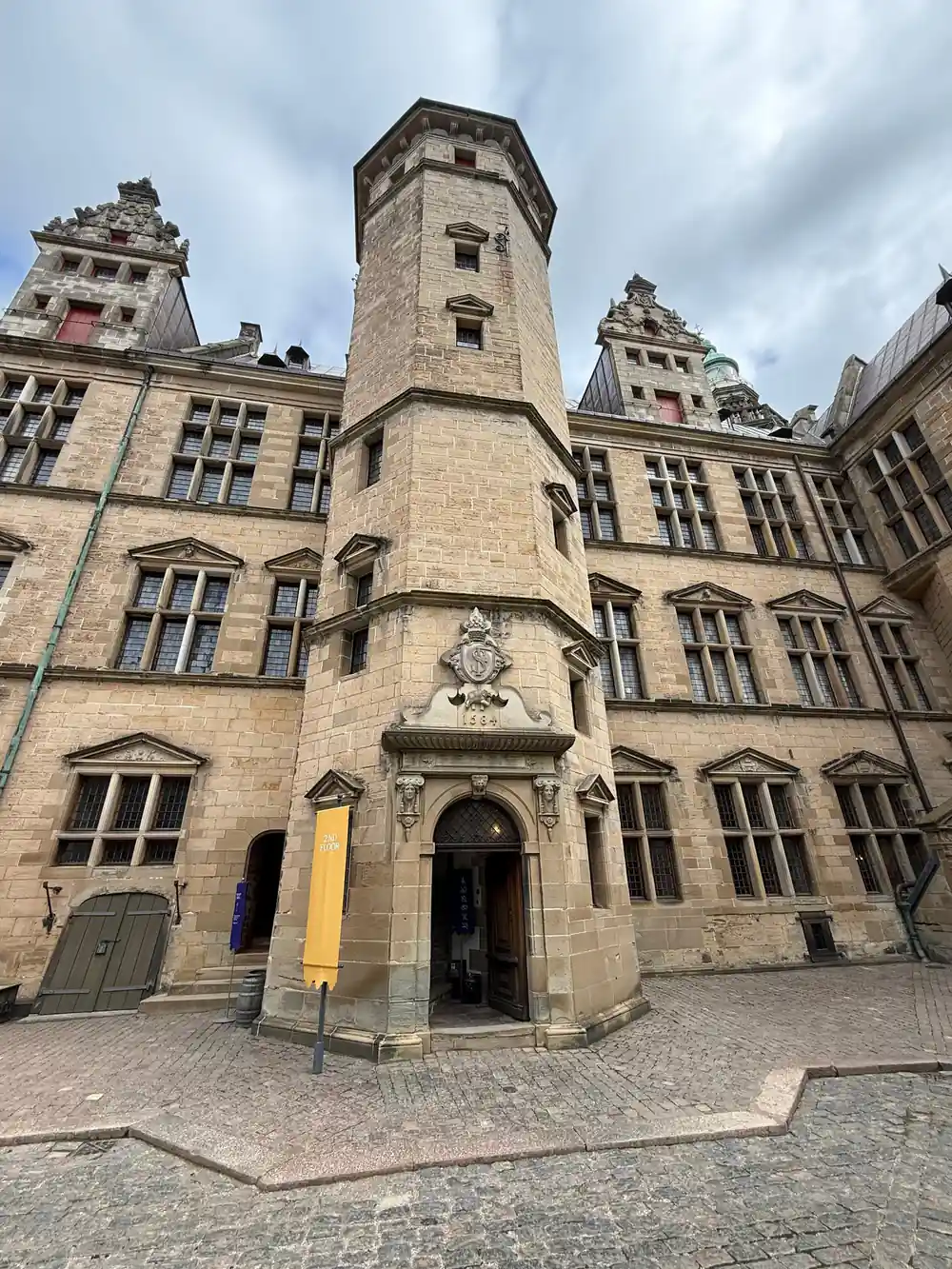
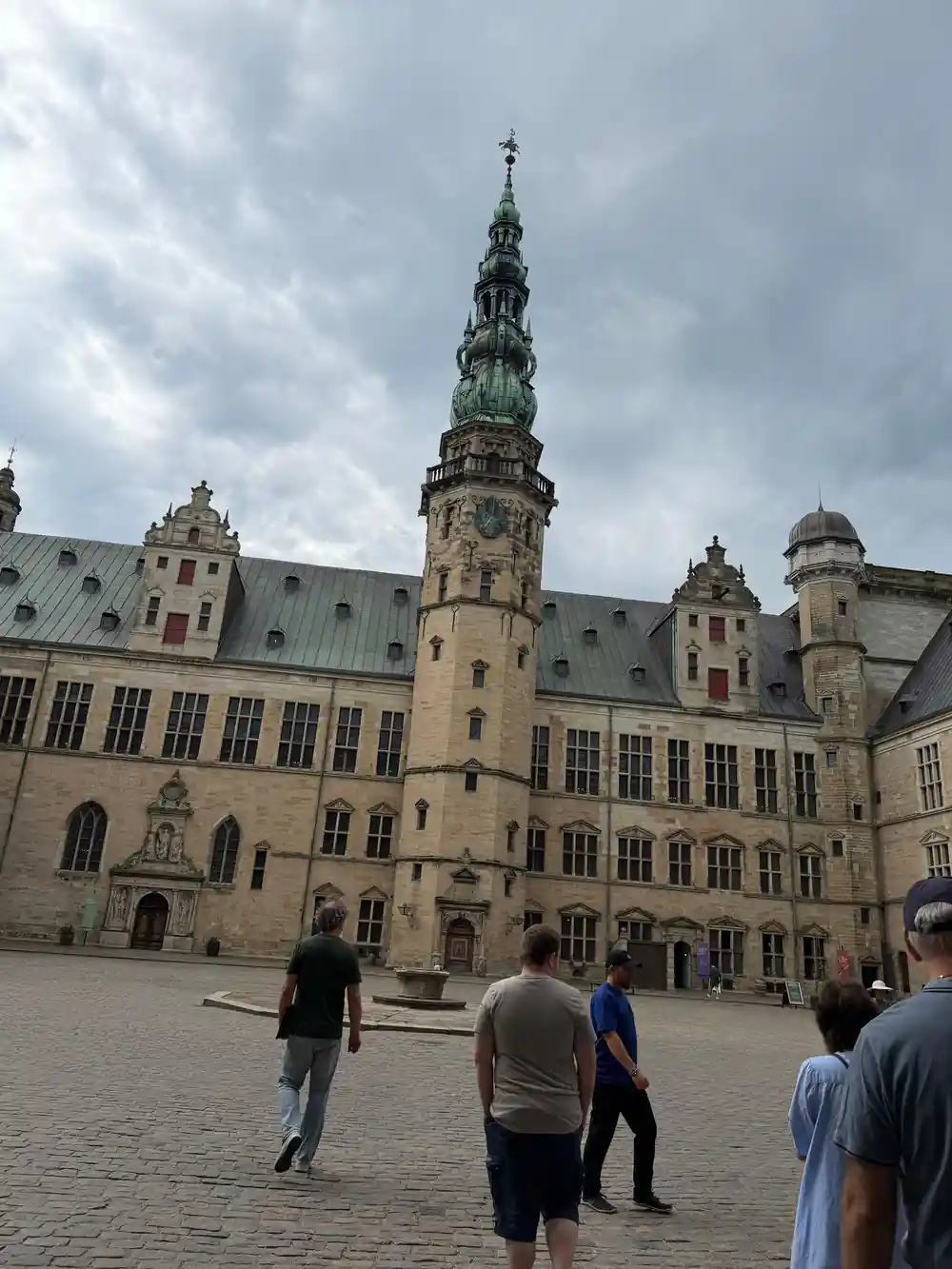
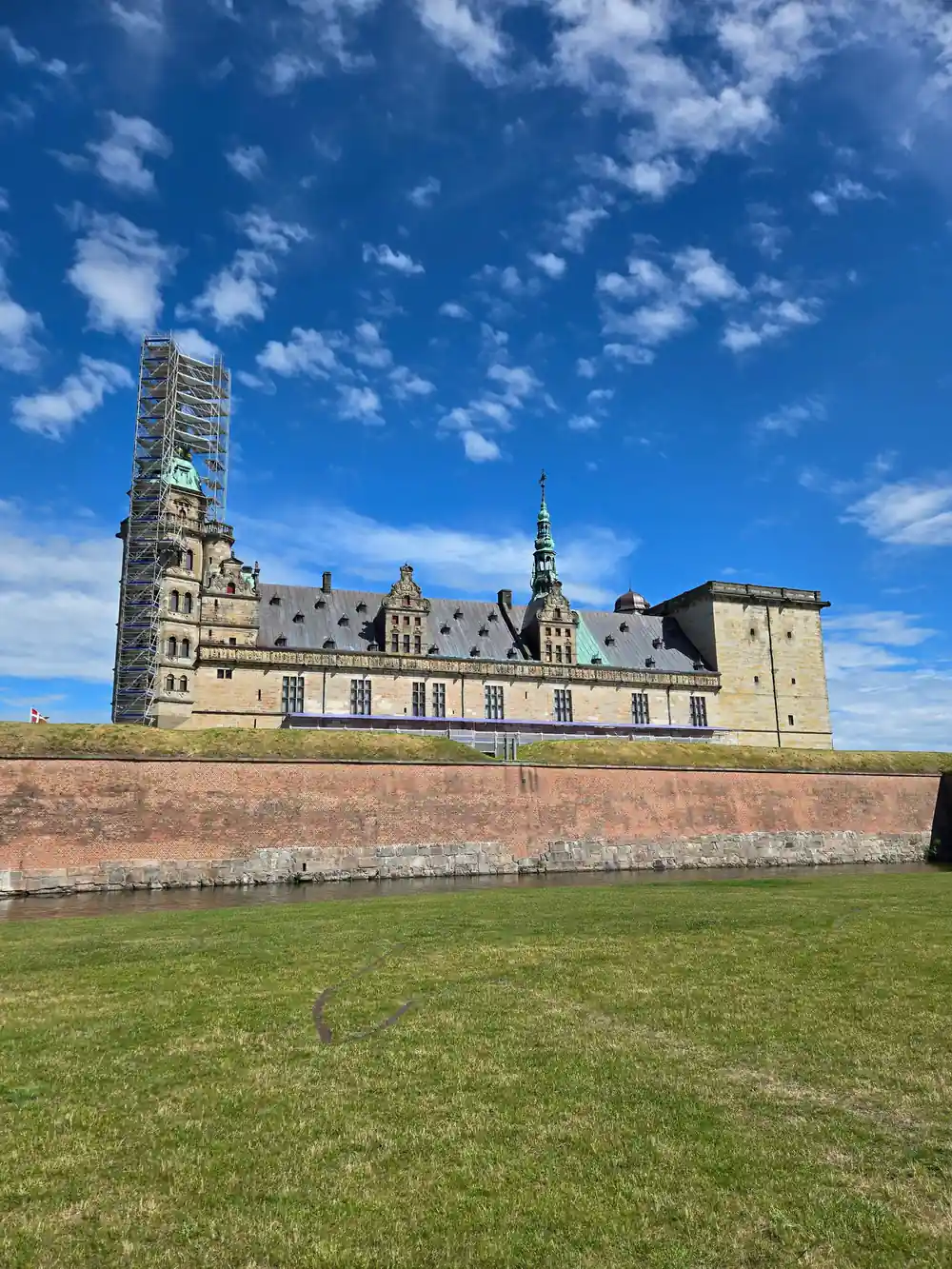
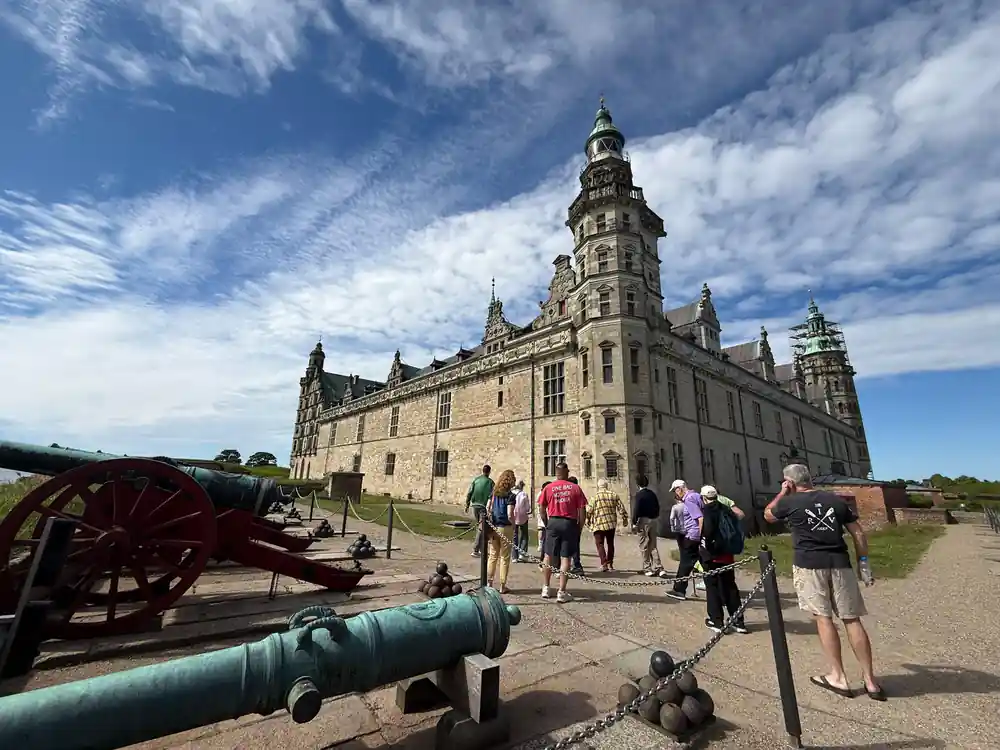
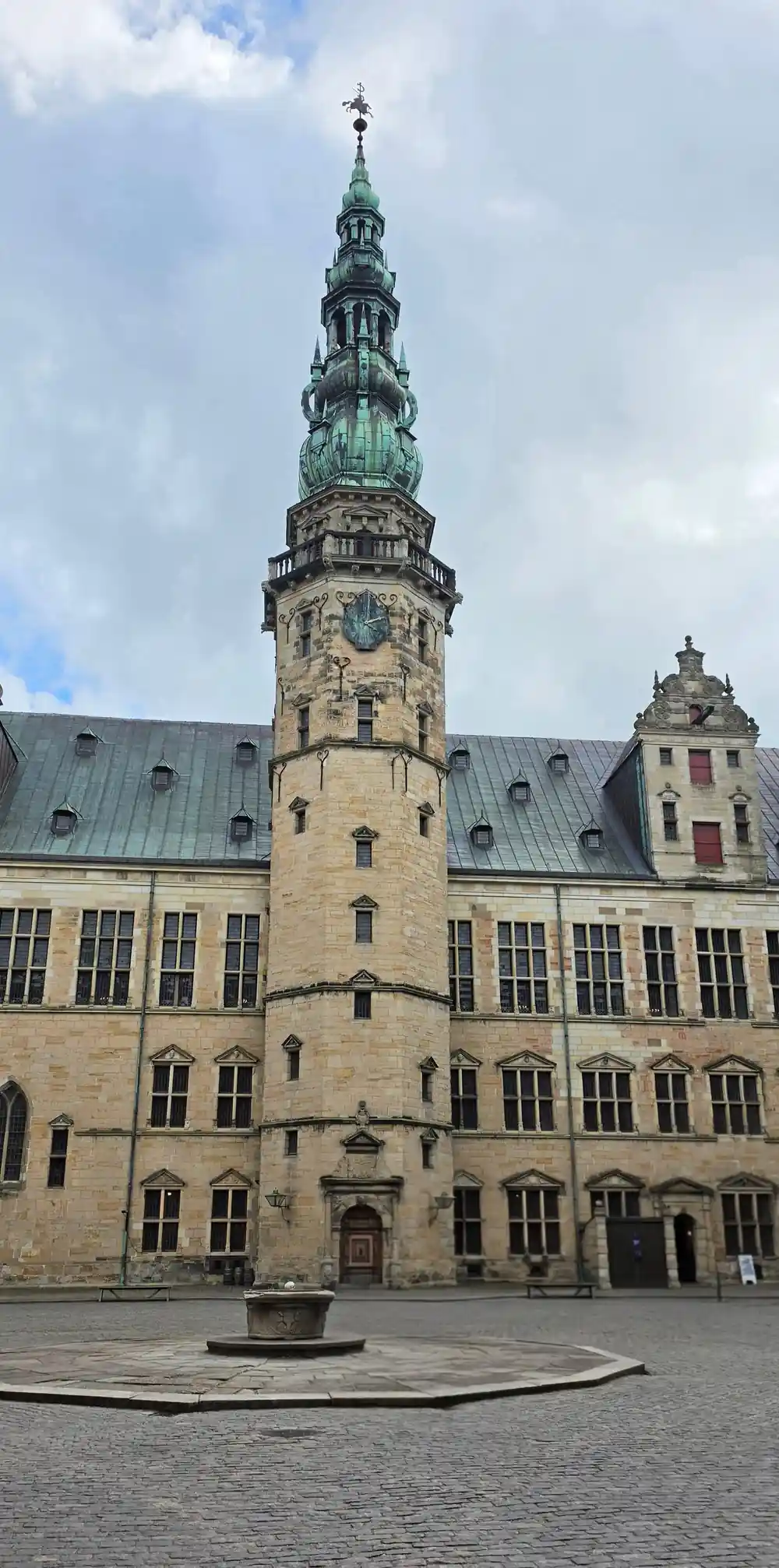
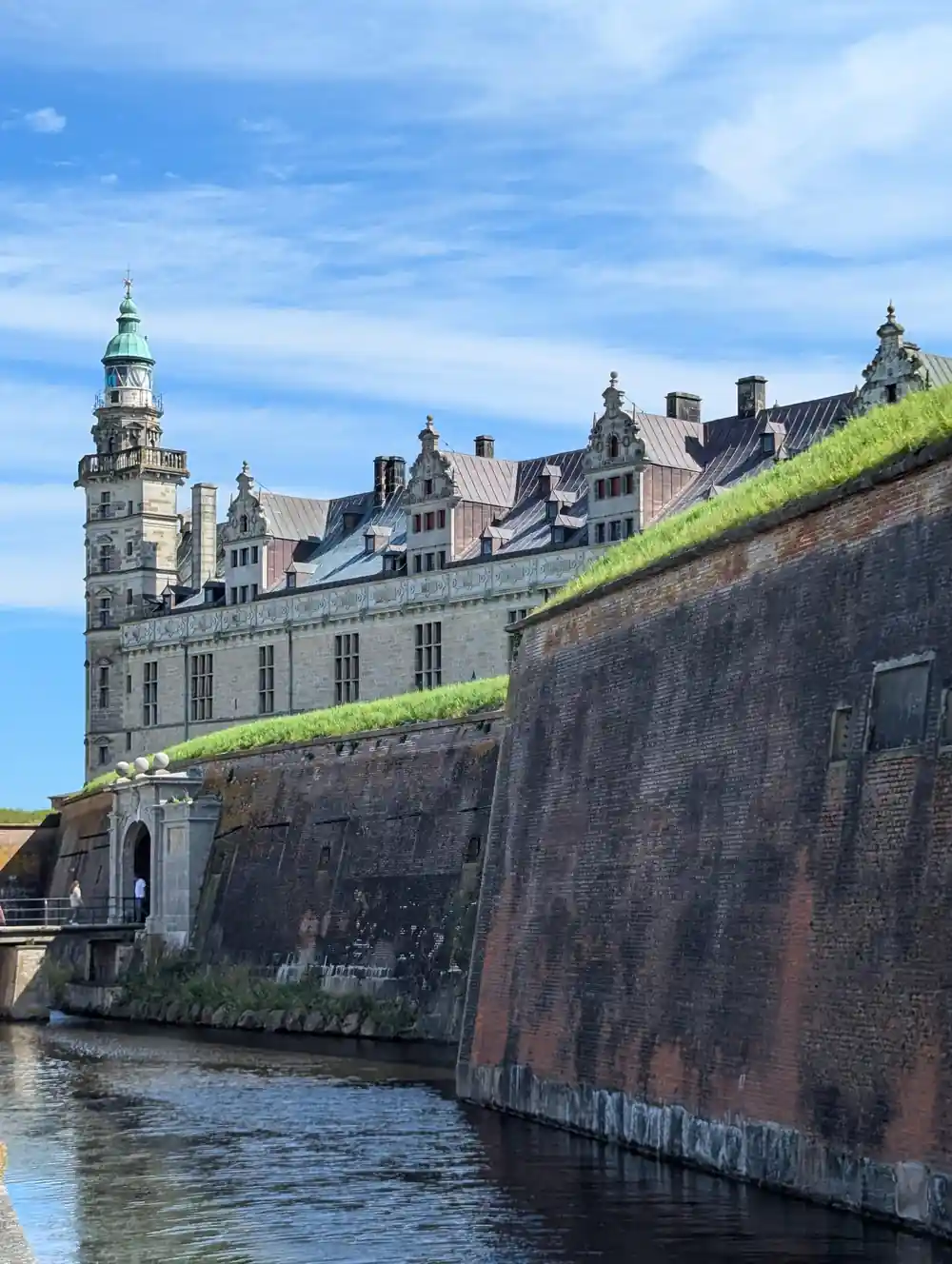
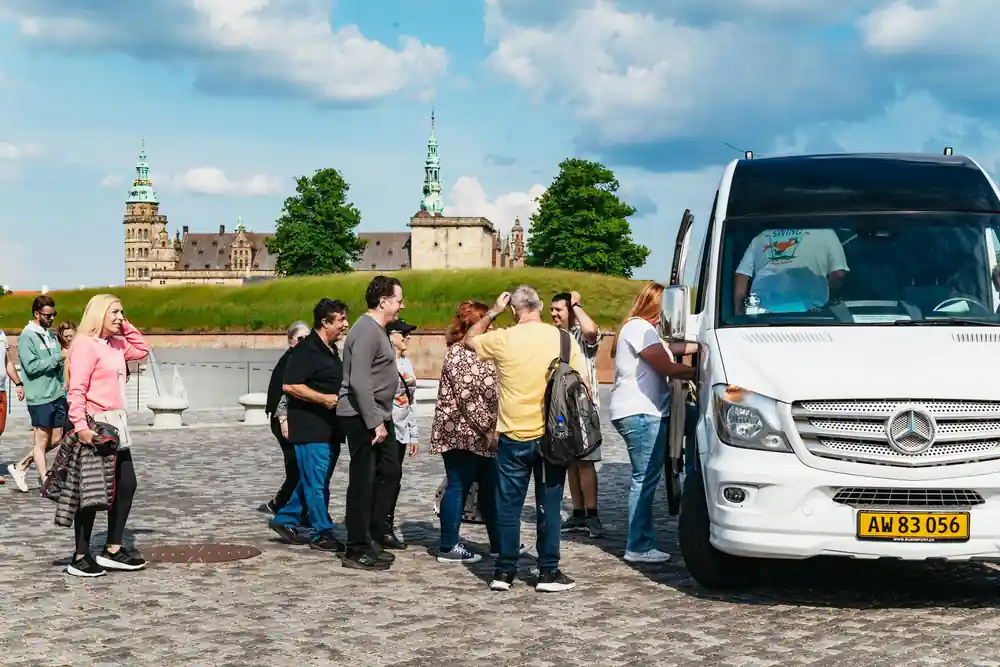
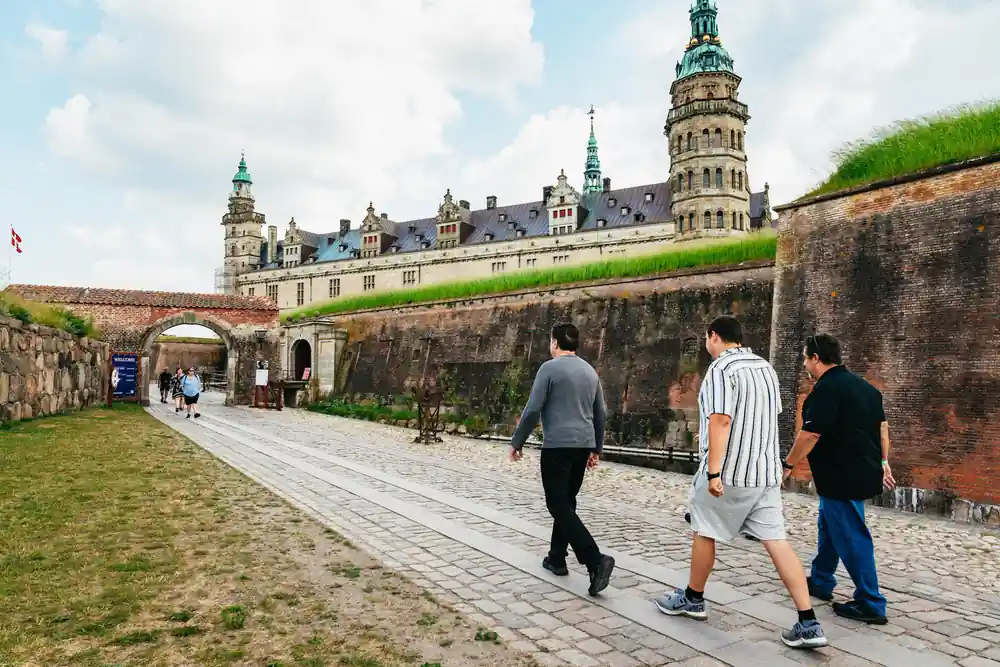
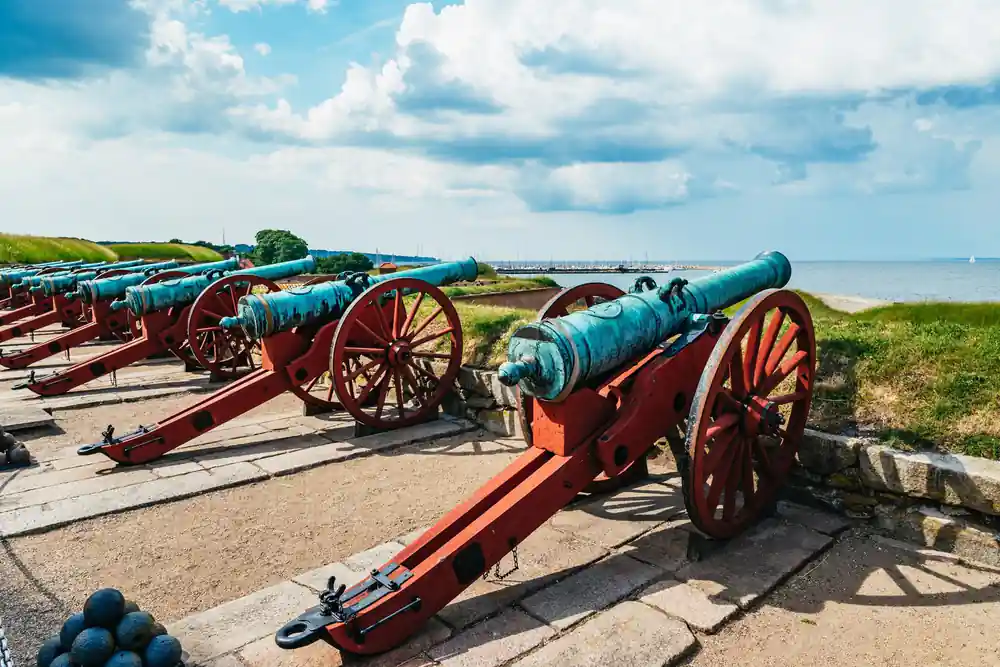
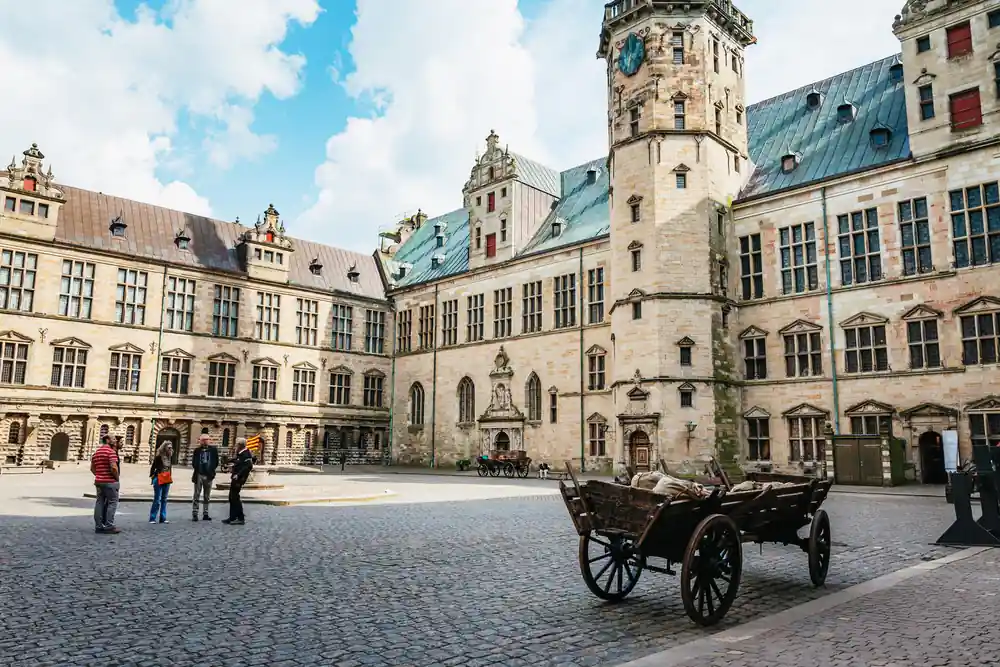
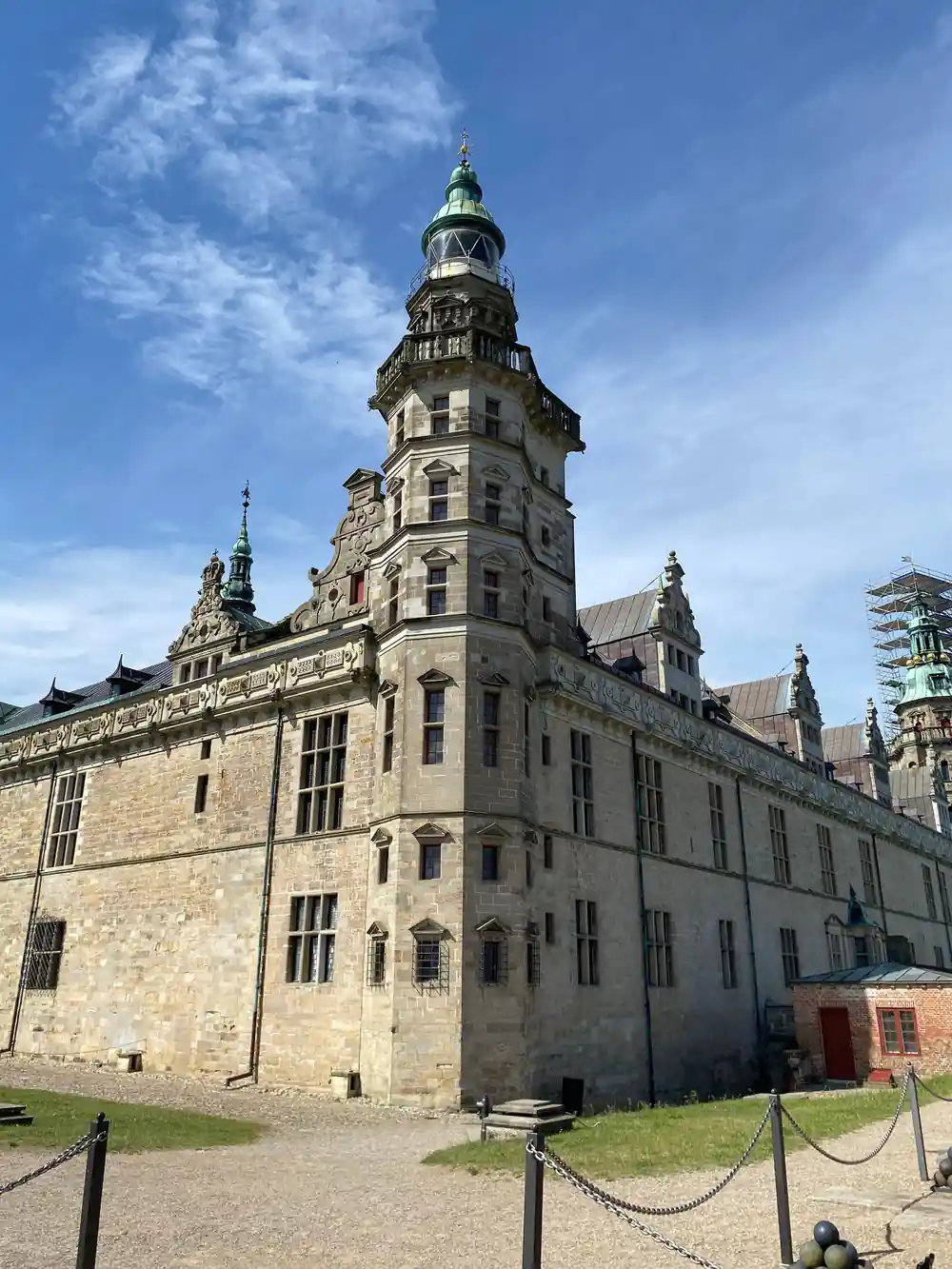
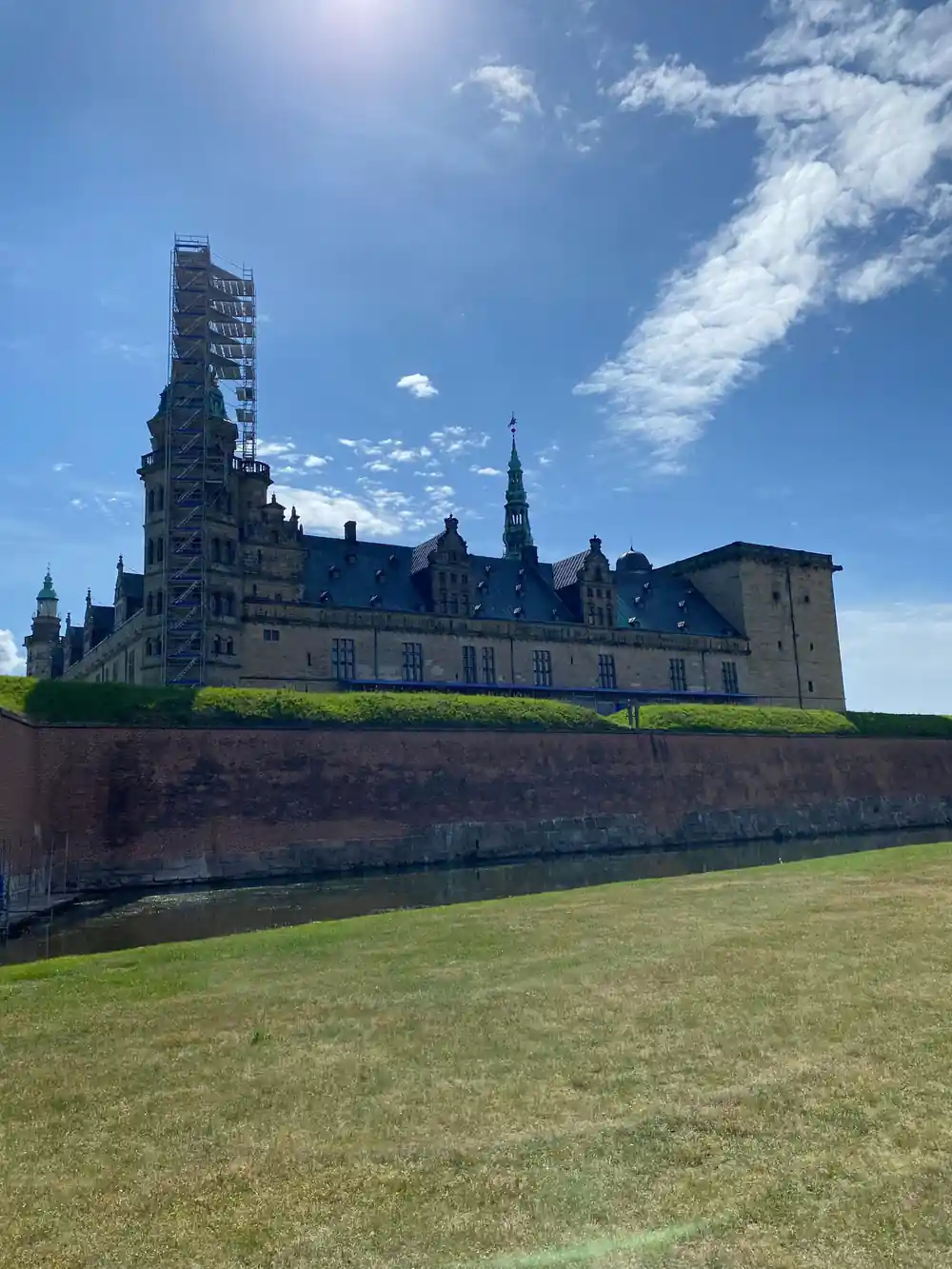
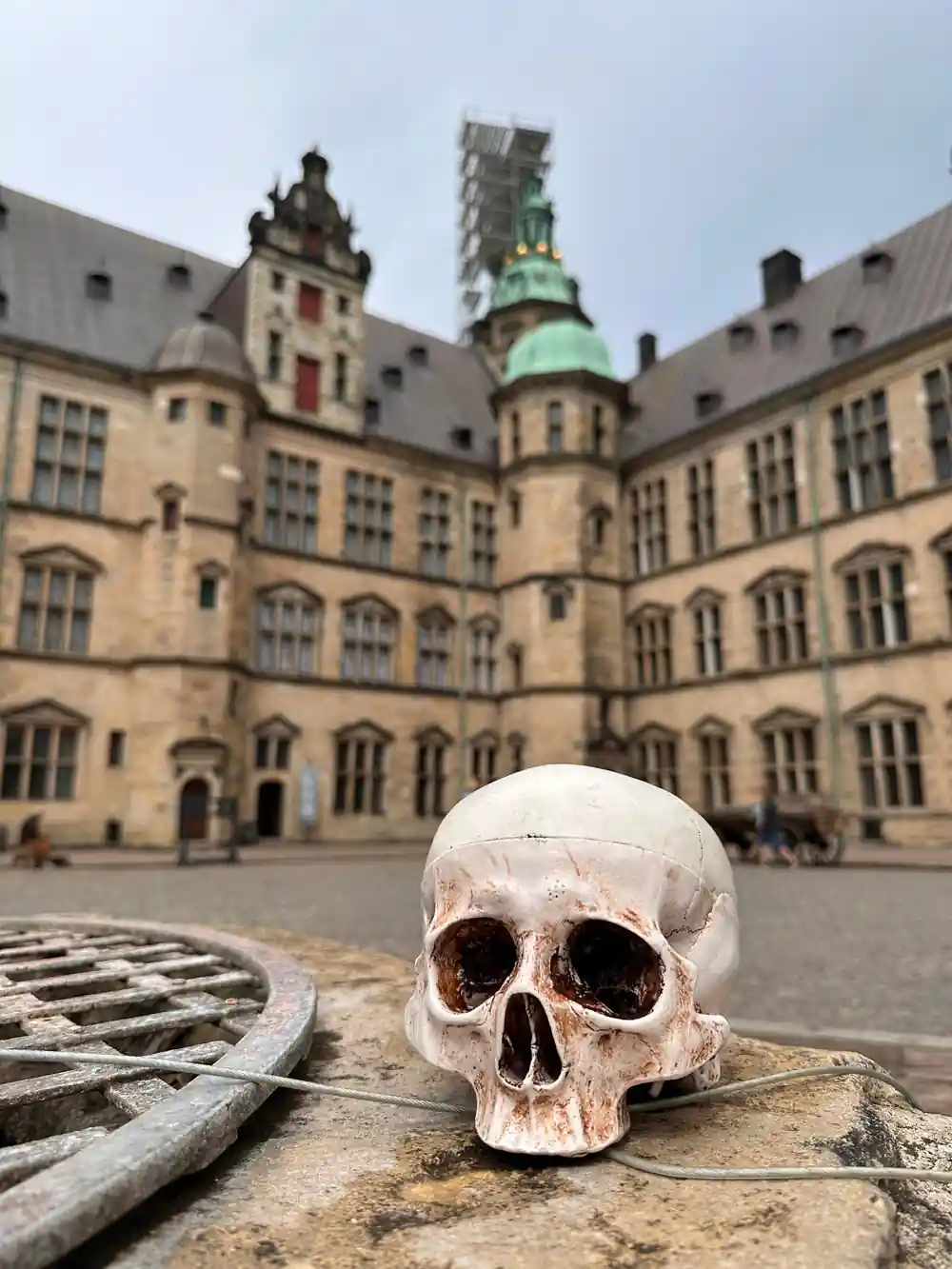
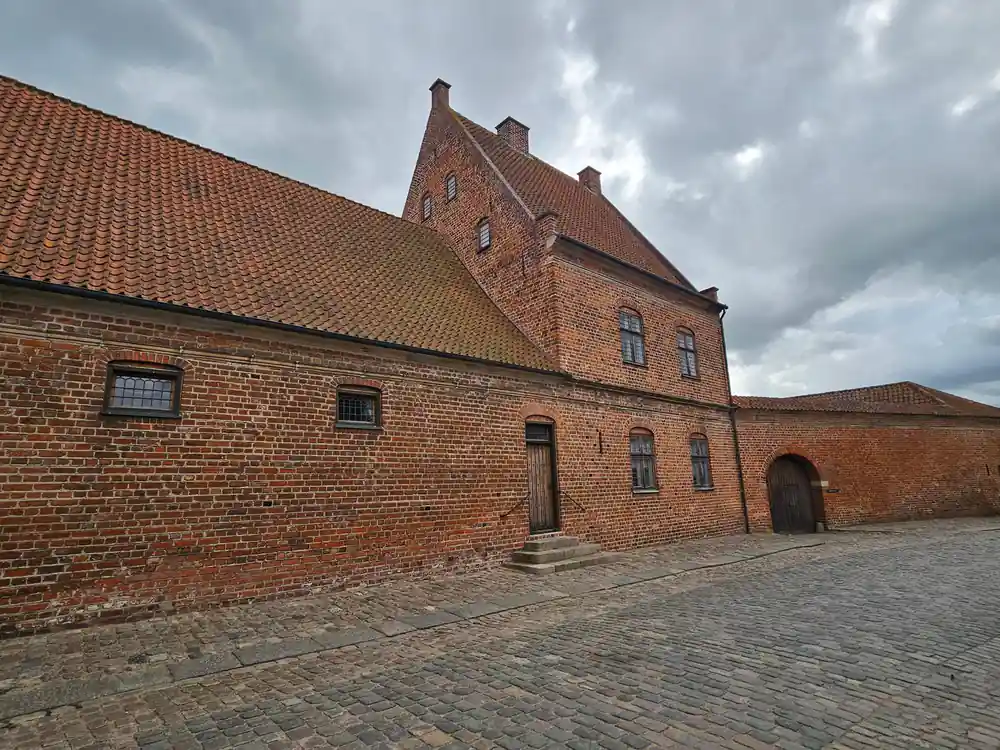
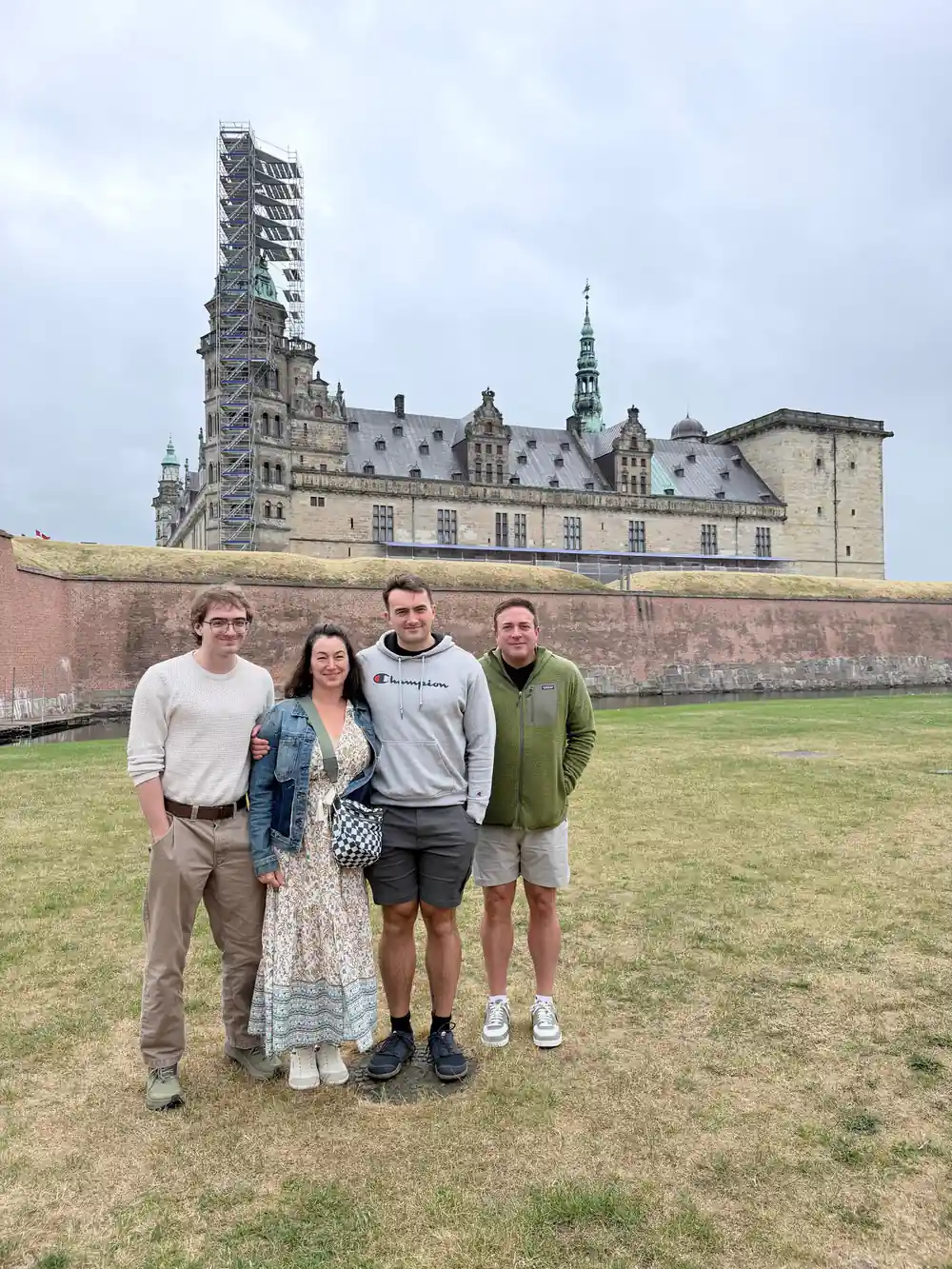
Kronborg Castle stands at Helsingør, where the narrow strait between Denmark and Sweden made it a strategic chokepoint for centuries. The fortress controlled shipping traffic and collected tolls from passing vessels, generating wealth that funded its expansion and maintenance. Built in the 1570s by King Frederick II, it combines military functionality with royal residence. The castle's thick walls, bastions, and strategic position reflect Denmark's role as a Baltic power. Shakespeare's Hamlet immortalised the castle in literature, though the play is not historically accurate and merely used the fortress as a evocative setting.
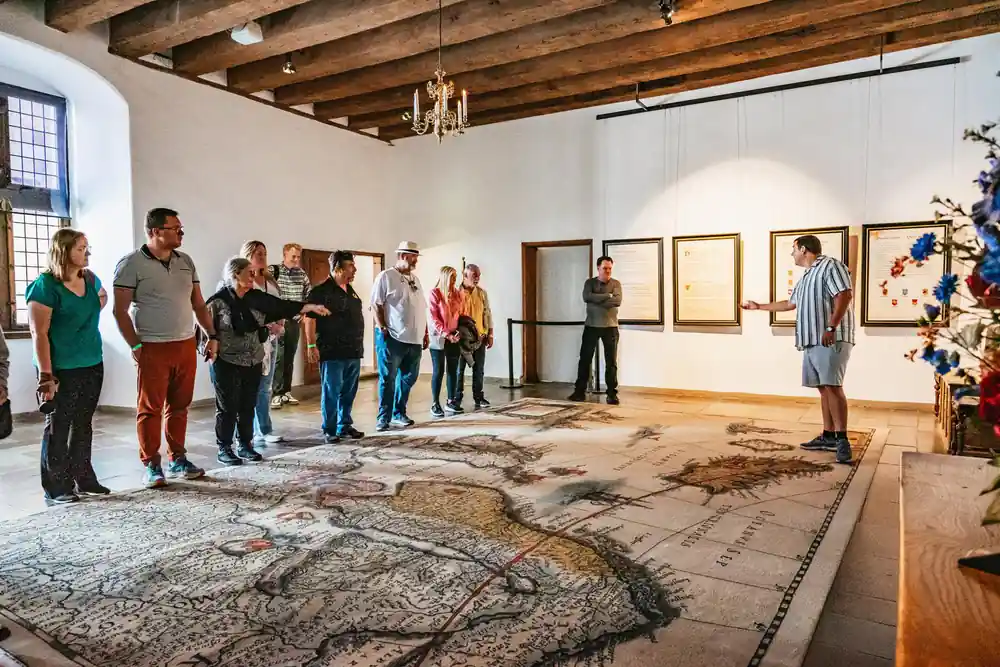
Kronborg Castle info reveals a complex structure with royal chambers, chapel, and extensive underground casements designed to withstand siege. The castle underwent numerous renovations and suffered damage during conflicts, most notably in the Great Northern War. Today it functions as a museum where you can descend into the lower levels and understand how such fortresses actually functioned. The views across the strait toward Sweden emphasise why this location mattered so profoundly for Danish security and prosperity. Your guide explains both the architectural features and the historical events that unfolded within these walls.
What is included and what the day provides
Your tour includes hotel pickup and drop-off from 79 locations across Copenhagen, eliminating the need to navigate to a central meeting point. Transportation between all four sites occurs in a comfortable minibus, and entrance fees to Roskilde Cathedral, the Viking Ship Museum, Frederiksborg Palace, and Kronborg Castle are covered in the tour price. A professional driver and guide accompany you throughout the eight-and-a-half hours, providing commentary and answering questions. Water and WiFi on the bus help you stay hydrated and connected during the journey between sites. This combination of services means you arrive with nothing more to arrange than showing up at your hotel at the designated pickup time.
The structured itinerary removes decision fatigue that often accompanies independent sightseeing. You do not need to research opening hours, plan routes, purchase individual tickets, or worry about missing transport connections. A scheduled lunch break gives you flexibility to eat at a restaurant of your choosing rather than committing to a preset meal. The tour's duration of eight and a half hours fits into a single day without extending into very early morning or late evening, making it feasible even if you have other plans during your Copenhagen visit.
Is this tour worth booking on your only free day
If you have one full day in Copenhagen and want to see significant Danish royal sites beyond the city itself, this tour delivers genuine content rather than superficial visits. Four major attractions in one day is ambitious but achievable because the minibus eliminates travel delays and your guide manages the logistics. You do not spend hours figuring out trains, bus schedules, or car parking. The tour suits someone who values historical depth and is willing to spend several hours at each location rather than someone seeking quick snapshots or primarily interested in Copenhagen's city centre. The combination of Viking heritage, religious significance, Renaissance architecture, and strategic fortress creates a narrative arc across Danish history.
This tour is not ideal if you prefer slow exploration, spontaneous detours, or flexible pacing. If you want to spend an entire day at a single site or prefer wandering Copenhagen's neighborhoods, this full-day excursion takes you away from the city. The eight-and-a-half-hour commitment requires genuine stamina and interest in castles and museums. For adults and mature teenagers with curiosity about how Denmark developed as a nation and what royal power looked like in different eras, the tour provides context and access that independent travel would struggle to match.
Who this tour suits and how to prepare
This tour works best for adults and teenagers aged 15 and up who have genuine interest in history, architecture, and museums. Younger children often find castle tours slow and abstract, especially when guides provide detailed historical commentary. The tour suits English speakers and other English-fluent visitors since the guide and driver communicate in English. If you are travelling alone, couples often join these minibus tours, providing a social dimension beyond the sites themselves. The tour also suits visitors from countries without significant castle architecture who want to understand a different style of royal heritage and fortification.
Wear comfortable walking shoes since you will cover ground inside and around each castle and cathedral. Bring a light jacket even in summer, as castles tend to be cool indoors and the minibus air conditioning can be strong. A camera with decent battery is worthwhile if you enjoy photography, as each site offers compelling visual moments, particularly Frederiksborg's reflection in its lake and Kronborg's views across the strait. Confirm your hotel pickup location the evening before to ensure you are ready when the minibus arrives. Bring payment for lunch during the scheduled break, as this meal is not included and you will eat where you choose.