The essentials
- Five Viking ships were deliberately scuttled in Roskilde Fjord around 1070 to block enemy vessels from entering the harbor during wartime.
- The Skuldelev wrecks date to the 11th century, making them nearly a thousand years old and invaluable records of medieval Nordic shipbuilding.
- Archaeologists raised the waterlogged vessels from fjord sediment in the 1960s using innovative preservation techniques to prevent wood decay.
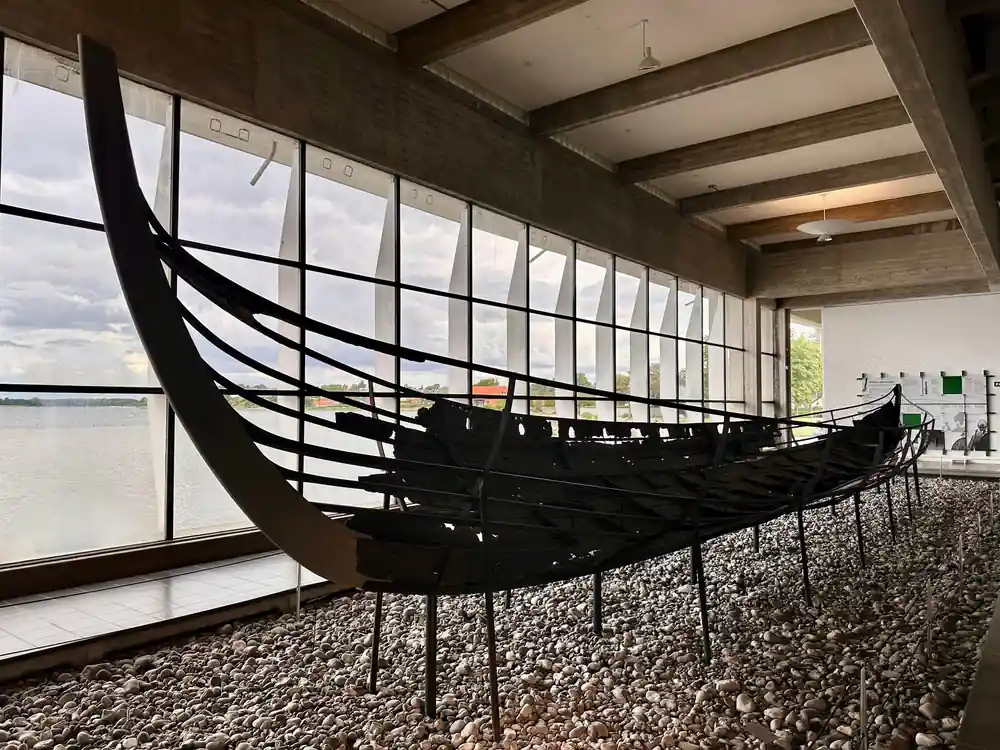
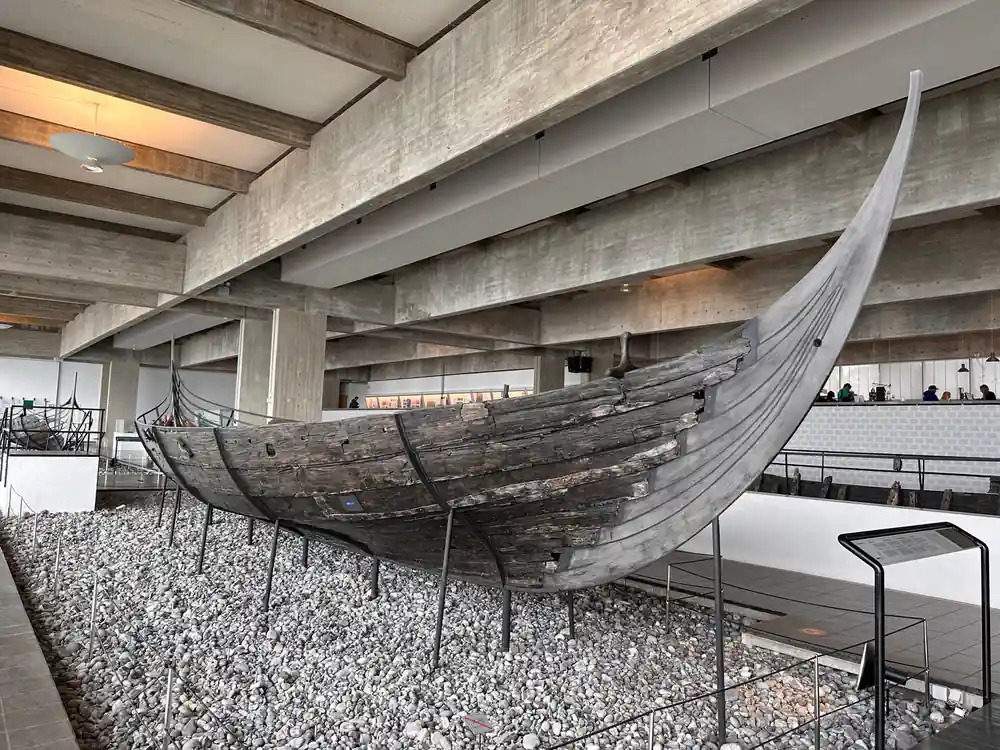
- The Roskilde Ship Museum displays five reconstructed hull sections revealing cargo ships, warships, and trading vessels that sailed Viking routes.
- Boatbuilders at the Copenhagen Viking Museum still use traditional axes and hand tools to recreate Viking vessels as the originals were built.
- Top choice Four sites in one day from US$213 Viking Ship MuseumYes, guidedRoskilde CathedralYes, guidedCastles includedFrederiksborg and Kronborg Check availability
- Easy-pace castles day from US$154 Viking Ship MuseumNoRoskilde CathedralNoCastles includedFrederiksborg and Kronborg See this tour
- Kronborg entry ticket from US$23 Viking Ship MuseumNoRoskilde CathedralNoCastles includedKronborg only See this tour
The barrier consisted of five ships that back in the Viking Age had been filled with stones and sunken across the channel on the sailing route towards Roskilde.
Reaching the Skuldelev ships
At the museum
- Adult 165 DKK in summer, 130 DKK in winter, under 18 free
- Summer hours 10:00 to 17:00, from 1 May to 18 October
- Booking online saves 10 DKK on an adult ticket
- A family ticket covers two adults and children aged 0 to 17
The five ships
- Skuldelev 1: an ocean-going cargo ship from western Norway
- Skuldelev 2: a warship with a crew of 65 to 70 men
- Skuldelev 3: a coastal trader for Danish and Baltic waters
- Skuldelev 5 and 6: a small longship and a fishing boat
Five Viking Ships Sunk as a Medieval Barricade
In the narrow channel at Skuldelev, five Viking vessels were deliberately scuttled around 1070 CE to block enemy warships from entering Roskilde Havn during a period of medieval conflict. The wrecks lay undisturbed in the fjord's mud for nearly 900 years, their oak hulls preserved by the anaerobic conditions that prevented rot and decay. Danish archaeologists identified the five ships in the 1950s, recognizing them as a unique archive of Norse shipbuilding spanning several centuries. The deliberate sinking transformed what might have been a military defeat into an accidental gift to history: a snapshot of Viking naval technology frozen in time.
Each vessel had been stripped of valuable cargo and fittings before being run aground and weighted down. The ships ranged from small fishing craft to ocean-going merchants, suggesting that whatever threat prompted their sinking was serious enough to sacrifice a cross-section of the local fleet. The site became known as Skuldelev after the nearby farm, and the five hulls were catalogued as Skuldelev 1 through 5, each telling a different story about Norse seafaring capabilities and trade networks that stretched across Europe and beyond.
Raising and Preserving Waterlogged Medieval Oak
Excavating the Skuldelev wrecks required innovative engineering to extract massive oak timbers that had become waterlogged and fragile after centuries submerged in the fjord. Danish conservators developed techniques to carefully remove each vessel section by section, using coffer dams to keep the surrounding seabed stable while divers worked beneath the surface. The wood had absorbed tremendous quantities of water, making individual planks and frames weigh far more than their original dry weight. Once raised, each timber faced a critical challenge: if allowed to dry too quickly, the wood would shrink unevenly, split, and warp beyond recognition or repair.
The preservation process involved long-term submersion in a chemical bath that gradually replaced water with wax, stabilizing the cellular structure of the oak and preventing further deterioration. This meticulous work took years and required specialized facilities designed specifically for treating waterlogged shipwreck material. The patience and precision invested in preserving these hulls transformed them from fragile artifacts at risk of crumbling into robust historical resources that could be studied, displayed, and even reconstructed by modern boatbuilders.
Five Different Ship Types Tell Five Different Tales
Skuldelev 1 was a sturdy merchant cog, built broad and deep to carry cargo across open oceans, with a hull design that influenced European shipbuilding for centuries. Skuldelev 2, by contrast, was a sleek warship or longship, built for speed and shallow-water raids, with the narrow profile and flex that made Norse vessels legendary. Skuldelev 3 was a small coastal trader, compact enough to navigate fjords and rivers while still managing profitable voyages between ports. Skuldelev 4 remains fragmentary but represented a smaller fishing or ferry vessel, while Skuldelev 5 was another modest trading ship optimized for Baltic routes and local commerce.
The five hulls together demonstrate that Viking and medieval shipbuilders were not creating identical vessels but rather specialized designs tailored to specific purposes. A warship needed speed and maneuverability; a merchant ship needed cargo capacity and seaworthiness; a coastal trader needed versatility and shallow draft. By examining the hull shapes, timber sizes, and construction techniques preserved in each wreck, archaeologists could reconstruct not only how ships were built but also how Norse and Danish mariners distributed their resources across different maritime roles, from warfare to long-distance trade to local transport.
1050
The Skuldelev ships sank around 1050 to block enemy access to Roskilde Fjord.
Reconstructing the Sea Stallion in the Modern Boatyard
In the 1990s, boatbuilders and archaeologists undertook an audacious project: to reconstruct Skuldelev 2, the Viking warship, at full scale using only the tools and methods available to medieval craftsmen. The reconstruction yard was established in Roskilde Viking Sailing, where master boatbuilders studied the original timber patterns from the excavation and began felling new oak trees to create frames and planks following the ancient design. The resulting vessel, christened the Sea Stallion, took several years to complete and required craftspeople willing to work with hand axes, adzes, and chisels rather than modern power tools. Every joint was shaped to match the original specifications discovered in the wreck, and every plank was fitted with the same overlapping clinker technique that had made Viking ships flexible and seaworthy.
Once launched, the Sea Stallion was sailed from Roskilde across the North Sea and English Channel to Dublin, retracing a route that merchant and raider ships had traveled a thousand years earlier. The voyage demonstrated that Viking shipbuilding techniques were not primitive approximations but sophisticated designs perfectly adapted to medieval conditions. Modern sailors crewing the Sea Stallion reported that the ship handled with surprising agility and grace, confirming that Vikings had engineered vessels capable of navigating everything from open ocean swells to coastal shallows. The boatyard at Roskilde Havn remains active, with traditional boatbuilders continuing to maintain the Sea Stallion and train new craftspeople in Viking-era techniques.
Trade Routes and the Reach of Medieval Danish Ships
Analysis of the five Skuldelev wrecks reveals that Danish and Norse vessels traveled distances far exceeding what medieval landlubbers would have thought possible. Timber types, construction details, and trade goods found associated with the wrecks suggest ships that regularly reached the Mediterranean, the Baltic, and as far as Greenland and North America. Skuldelev 1, the merchant cog, was built in a style that dominated Northern European trade, suggesting regular contact with Hanseatic ports and English coastal towns. The combination of five different ship types at a single blockade site hints at the sophistication of medieval maritime commerce, with specialized vessels designed for specific routes and cargo types.
The wrecks demonstrate that by the 11th century, Norse and Danish mariners had developed ship designs optimized for ocean voyages spanning thousands of miles. Unlike the stereotypical image of Vikings as raiders confined to coastal raiding, these vessels show merchants and traders operating extensive networks that moved goods, people, and cultural influences across the known world. The preservation of five different hull types at Roskilde provides direct archaeological evidence of the maritime expertise that enabled Denmark and Scandinavia to dominate European trade and politics during the medieval period.
What to See and Experience on the Tour
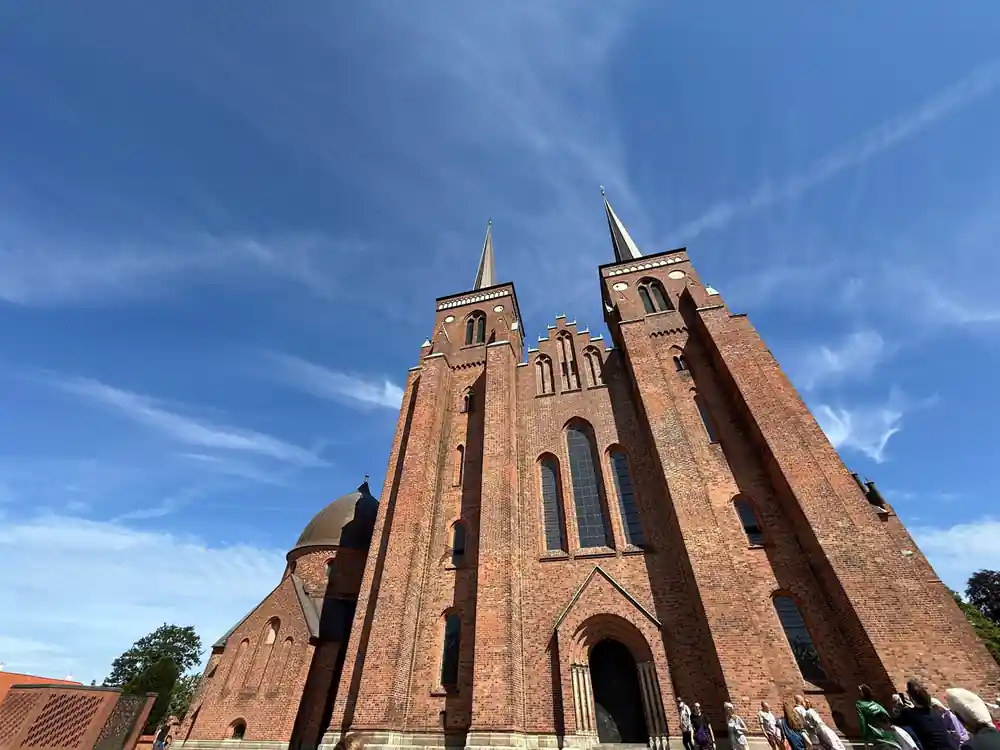
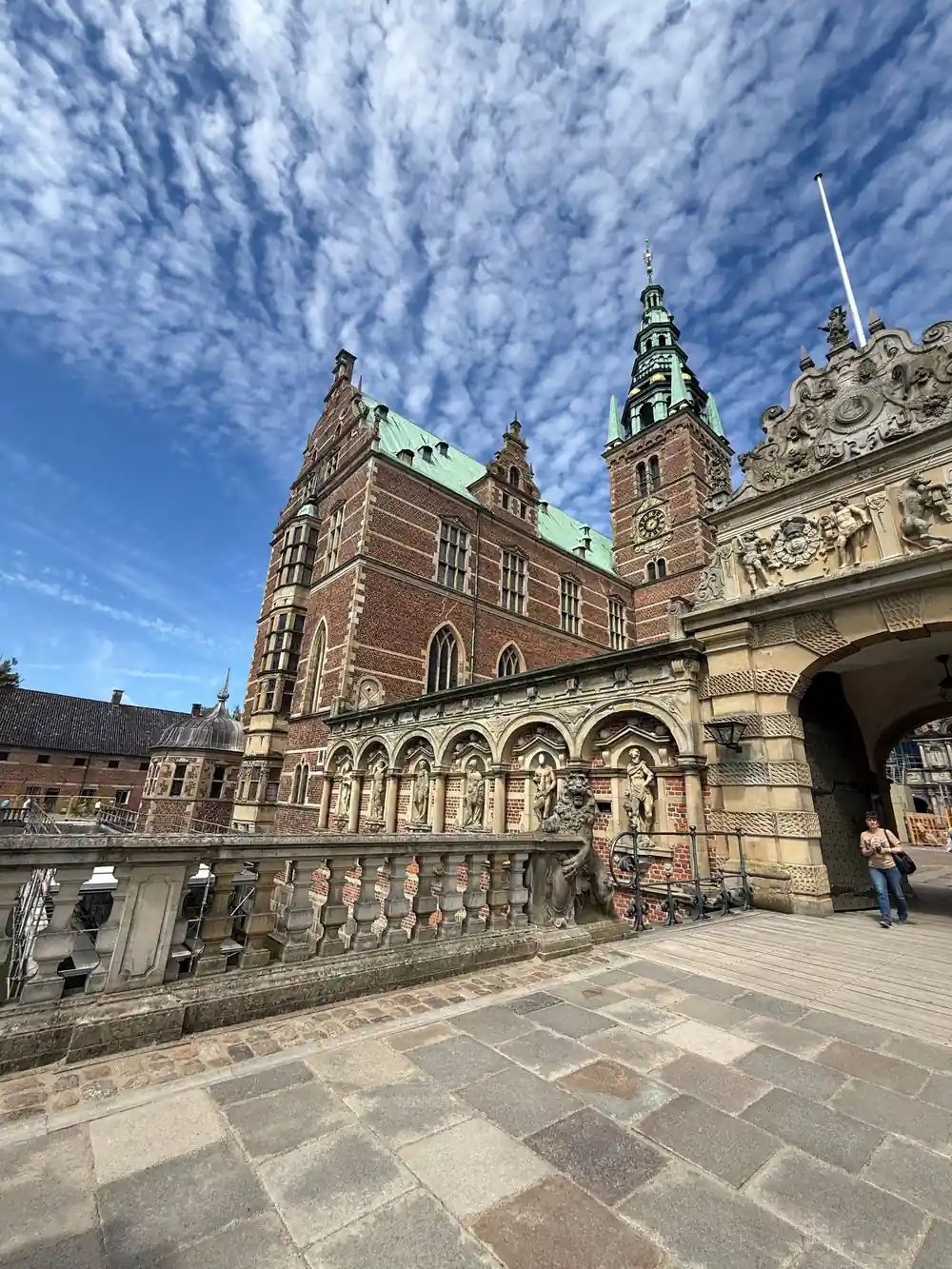
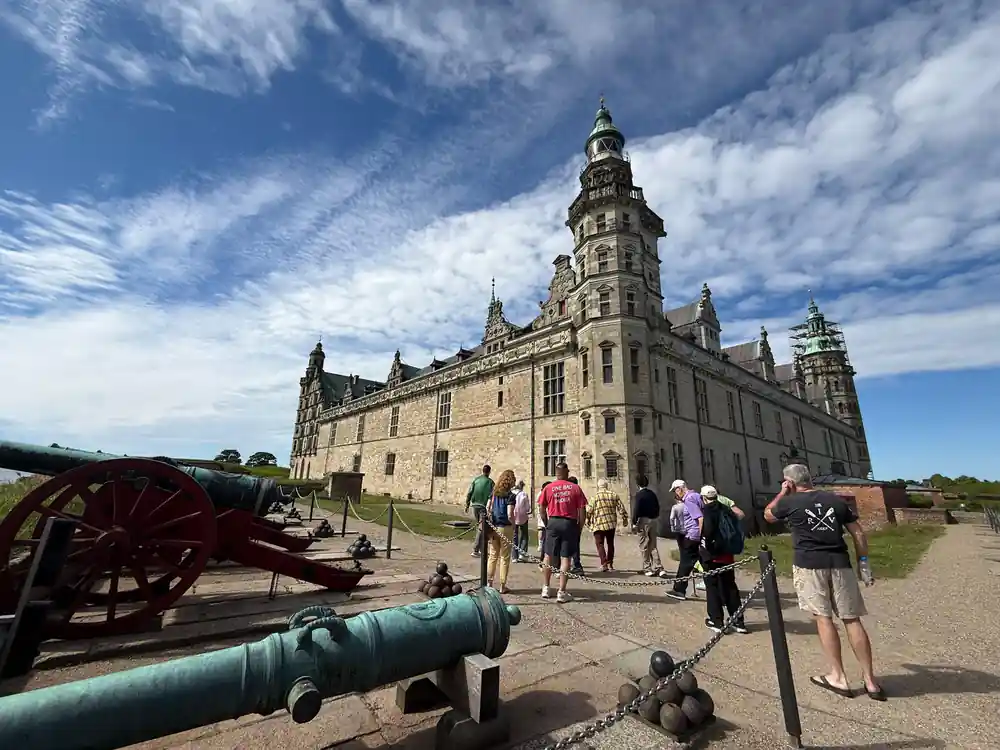
The full-day excursion from Copenhagen includes stops at Roskilde Cathedral, where Danish monarchs were buried and where the riches of medieval Roskilde are still visible in stone and stained glass. The Viking Ship Museum displays the actual Skuldelev wrecks, preserved and partially reconstructed, alongside detailed explanations of how each vessel was built and used. Visitors can examine the wood grain and joinery of timbers that have survived a thousand years, seeing firsthand the craftsmanship that went into medieval shipbuilding. The tour also includes Frederiksborg Palace, one of Scandinavia's most impressive Renaissance castles, and Kronborg Castle, the fortress immortalized in Shakespeare's Hamlet and still commanding the entrance to the Baltic Sea.
The minibus tour includes hotel pickup and drop-off from central Copenhagen, professional driver and guide commentary throughout the day, entrance fees to all attractions, and water and WiFi on board for the full 8 hours and 30 minutes of the itinerary. A lunch break is built into the schedule, allowing time to rest and reflect on the centuries of history encountered. With 79 pickup and drop-off location options throughout Copenhagen, the tour accommodates visitors staying in different neighborhoods, making it accessible whether you are based near Nyhavn, the city center, or outlying areas.
Medieval Craftsmanship Still Practiced Today
The boatyard where the Sea Stallion was built and continues to be maintained preserves living knowledge of Viking shipbuilding techniques. Modern craftspeople learn to split oak planks along the grain using hand axes, shaping joints that fit without nails or fasteners, and caulking seams with wool and tar just as medieval builders did. This is not museum performance or historical reenactment but genuine maritime carpentry, with the boatyard taking commissions and conducting repairs using methods proven effective over centuries. Visitors to the Roskilde Viking Sailing facility can observe boatbuilders at work, watch demonstrations of medieval tool use, and understand how specialized knowledge is passed from experienced craftspeople to apprentices learning the trade.
The continuity of these techniques across a thousand years underscores a crucial insight: the Vikings did not build seaworthy ships despite limitations but because of choices made in response to available materials and environmental conditions. Modern boatbuilders working with axes and hand tools discover that they achieve results superior to what might be expected, with flexibility and resilience that power tools and industrial methods sometimes compromise. The preservation and continuation of these traditions at Roskilde means that future generations can learn directly from practitioners who have tested these methods on the water, ensuring that Viking shipbuilding knowledge remains active and evolving rather than archived and static.
Viking Ship Museum admission
Gate prices; 10 DKK less online. Summer runs 1 May to 18 October.[1]
Seeing the ships, three ways
Every figure is a "from" price. Admissions are adult gate prices; under 18 is free at both Roskilde sites.
The ships, then and now
Five ships, five jobs
Skuldelev 1
A large ocean-going cargo ship, built in the Sognefjord area of western Norway.
Skuldelev 2
A warship built to carry many warriors at speed, with a crew of 65 to 70 men.
Skuldelev 3
A small, sturdy trader for Danish coastal waters and the Baltic.
Skuldelev 5
One of the smallest longships in a war fleet.
Skuldelev 6
A fishing boat, also built in the Sognefjord area.
See the Skuldelev wrecks on your Roskilde stop
from US$213Reserve now & pay later