The essentials
- Kronborg Castle stands in Helsingør, north of Copenhagen. The castle is easily reached by train or as part of organized tours with hotel pickup available.
- Plan 2 to 3 hours for a thorough visit. Allow extra time if you take a virtual tour or join a guided walk through the rooms and ramparts.
- Open areas include the royal chambers, chapel, and courtyard. The casemates and dungeon are accessible. Not all rooms are on display, but the main halls and fortifications are available to visitors.
- A café serves light refreshments. A gift shop offers souvenirs. Toilets and a cloakroom are provided. Audio guides and English-language tours are available for an enhanced experience.
- Entry to the ramparts and courtyard is included with castle admission. Check the bag policy before arrival. Bring layers, as the casemates stay cool year-round.
- Top choice Four sites in one day from US$213 Sites visitedFour: Roskilde, Viking ships, Frederiksborg, KronborgLength8.5 hoursGuideLive guide, EnglishHotel pickupIncluded, 79 pickup pointsTraveller reviews2,090 Check availability
- Easy-pace castles day from US$154 Sites visitedTwo castles plus a stop in HillerodLength8.5 hoursGuideLive guide, EnglishHotel pickupIncluded, 50 locationsTraveller reviews19 See this tour
- Kronborg entry ticket from US$23 Sites visitedKronborg onlyLengthTicket valid all dayGuideNoneHotel pickupNot includedTraveller reviews261 See this tour
For centuries, it played a central role in Danish identity and in the history of Northern Europe from the 16th to the 18th centuries.
Which way into the four sites
What's covered
- Hotel pickup and drop-off
- All entrance fees
- Minibus transportation
- Driver and guide
- Complimentary water
- WiFi on board
Fast Facts
- Duration8 hours 30 minutes
- Group sizeMinibus tour
- Pickup points79 locations
- Drop-off points79 locations
- Meal includedLunch
- Sites visitedTwo castles, cathedral, museum
Approaching Kronborg: The Moat and Outer Defences
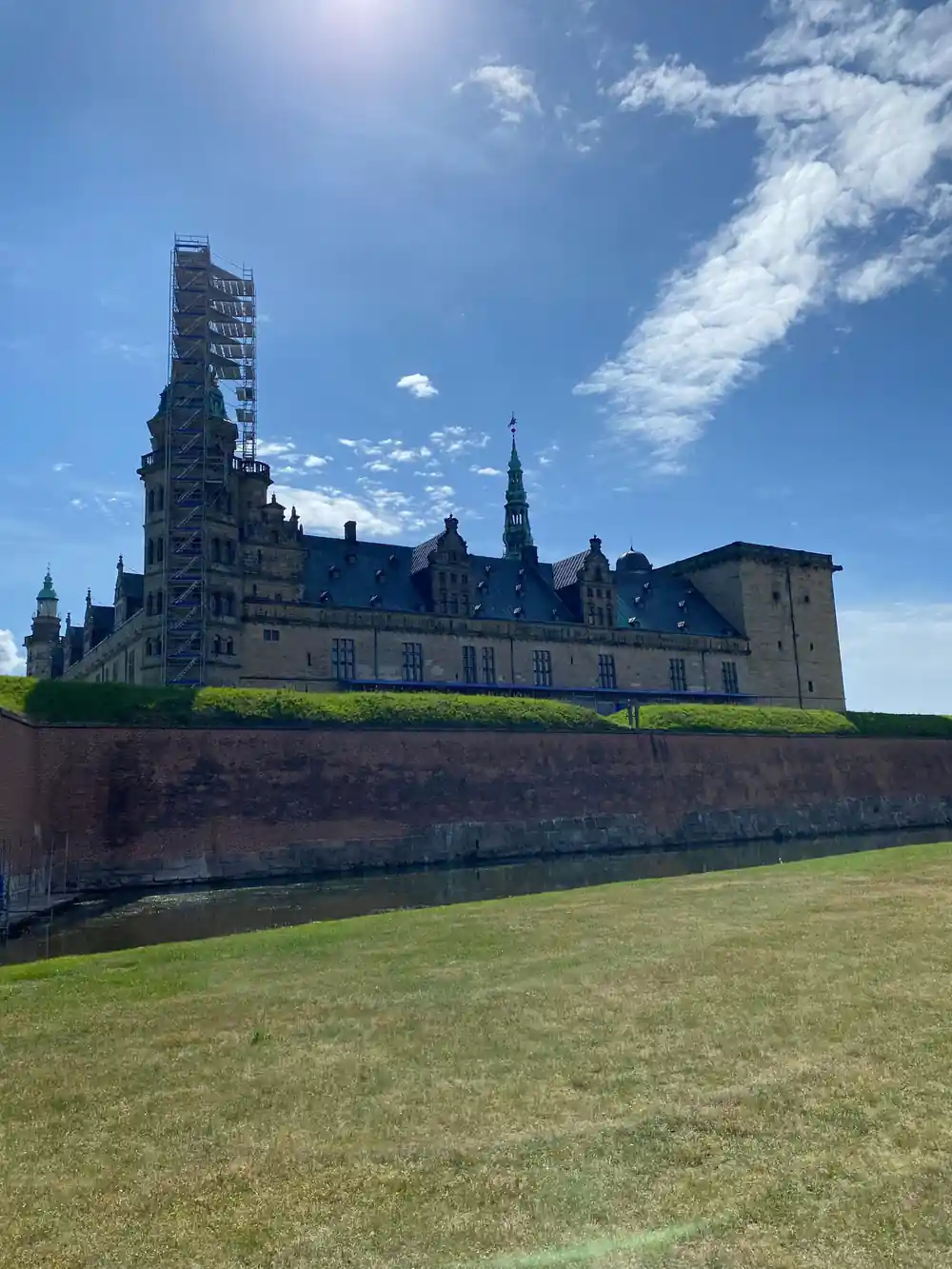
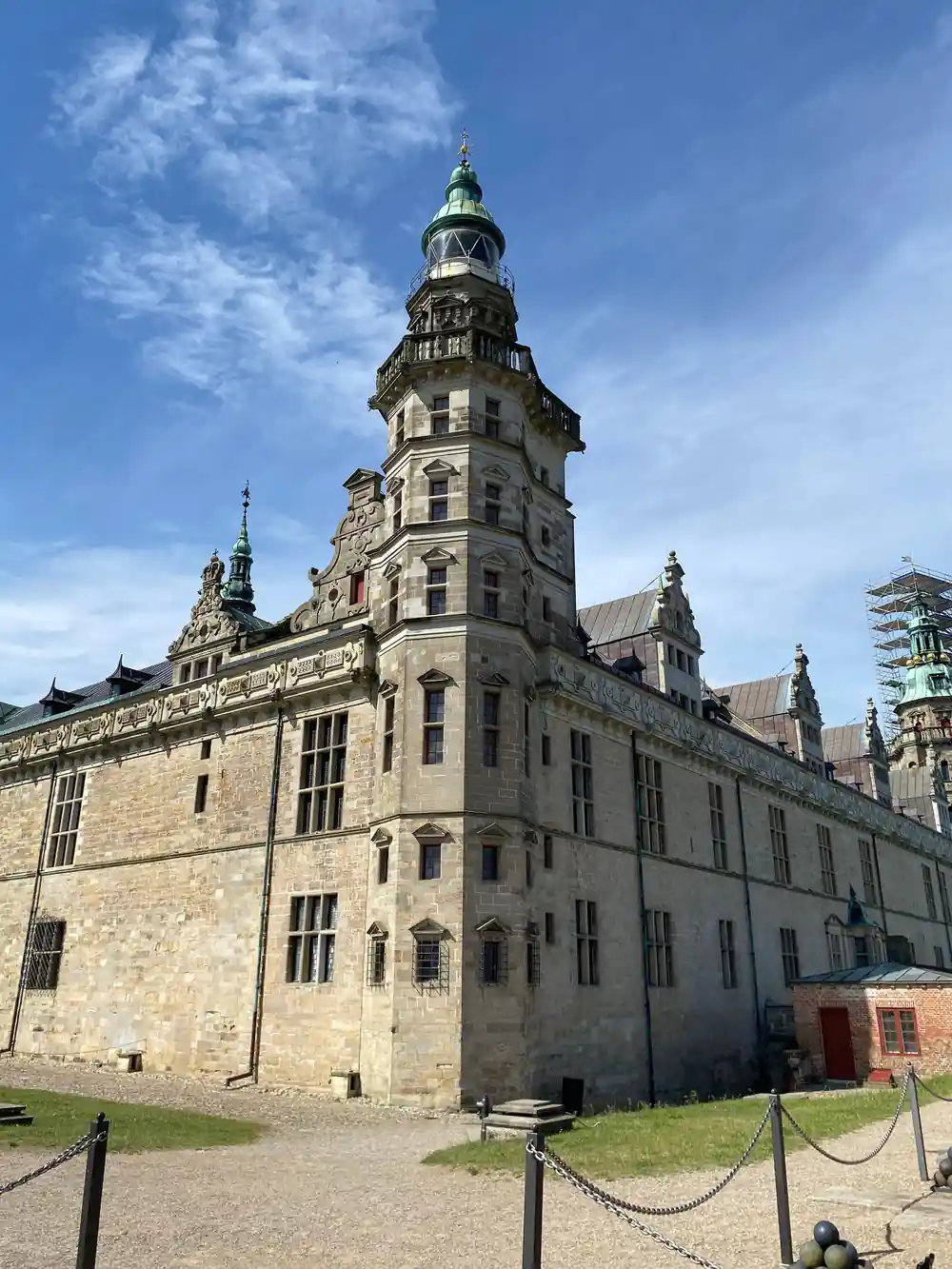
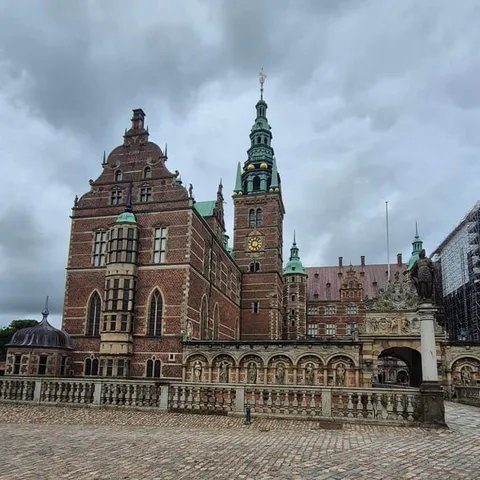
Your first encounter with Kronborg Castle comes as you cross the moat, the water-filled defensive ring that still surrounds the fortress on three sides. This approach gives you immediate sense of the castle's scale and military purpose. Built in the 1420s and expanded through the 16th century, Kronborg was designed to control shipping through the Sound between Denmark and Sweden, and its position on a peninsula jutting into the water made it nearly impregnable. The outer walls and bastions rise dramatically from the moat, their solid stone construction a reminder that this was as much a working fortress as a royal residence. Allow time to walk around the perimeter if weather permits; the views back across the water toward Helsingør town and the Swedish coast are striking and give context to why this location mattered so much to Denmark's kings.
Before entering the main courtyard, note the bag and backpack policy: larger bags must be left at the cloakroom near the main entrance. Plan to store anything you do not need for the interior tour here, as the castle's corridors and rooms are narrow in places. The cloakroom attendants can advise on what is acceptable to carry through. This is also the moment to use the toilets if needed; facilities are available before you move deeper into the castle, though more are positioned throughout the site. Water is provided at the entrance, so fill a bottle if you carried one, as the stone interiors can feel cool even in summer.
The Courtyard and Royal Apartments
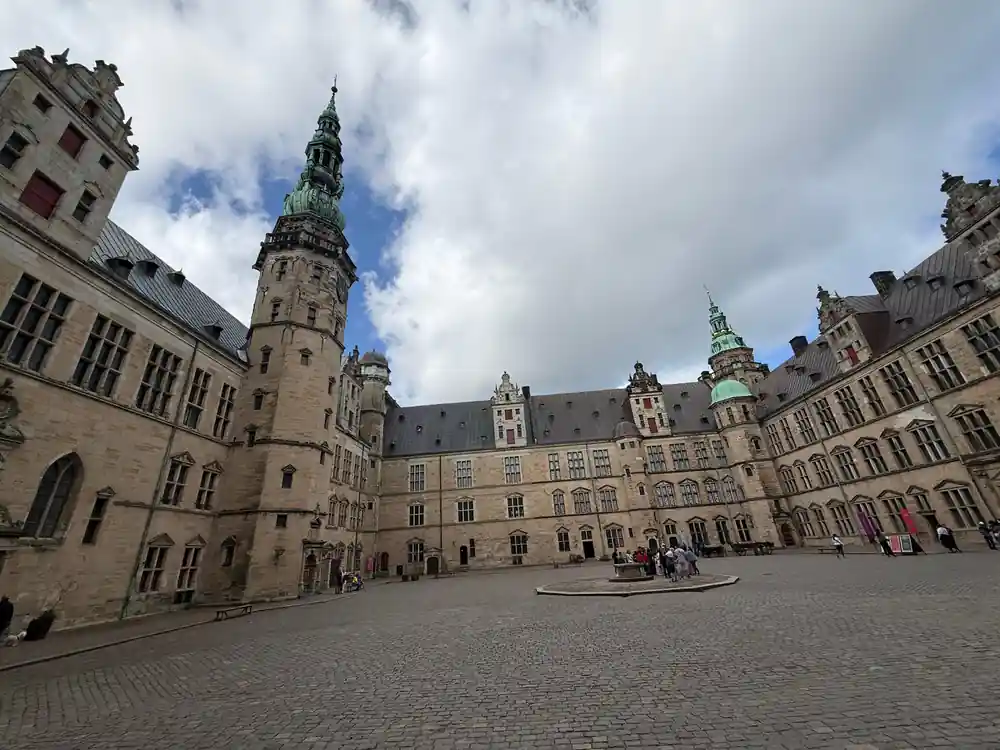
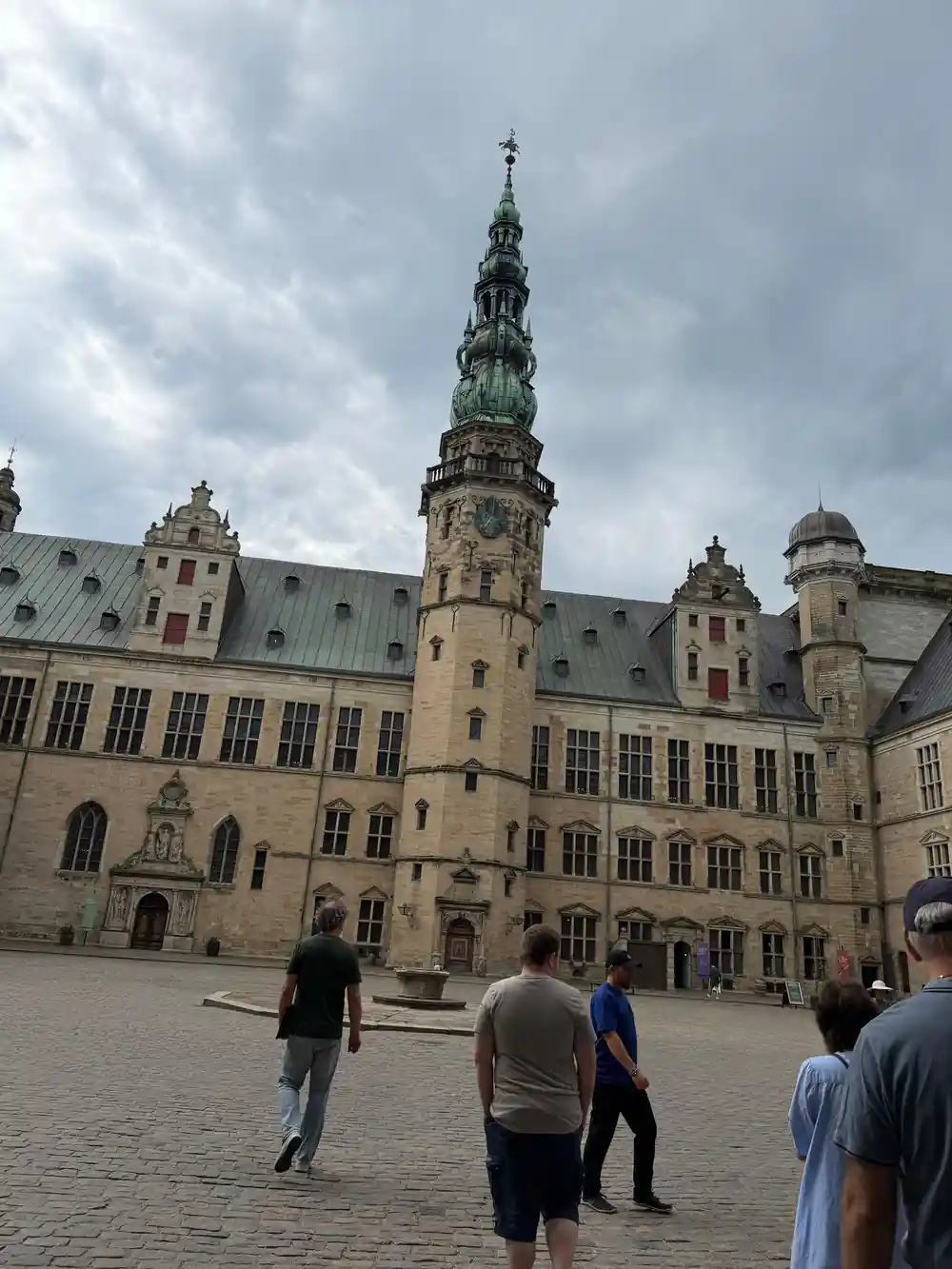
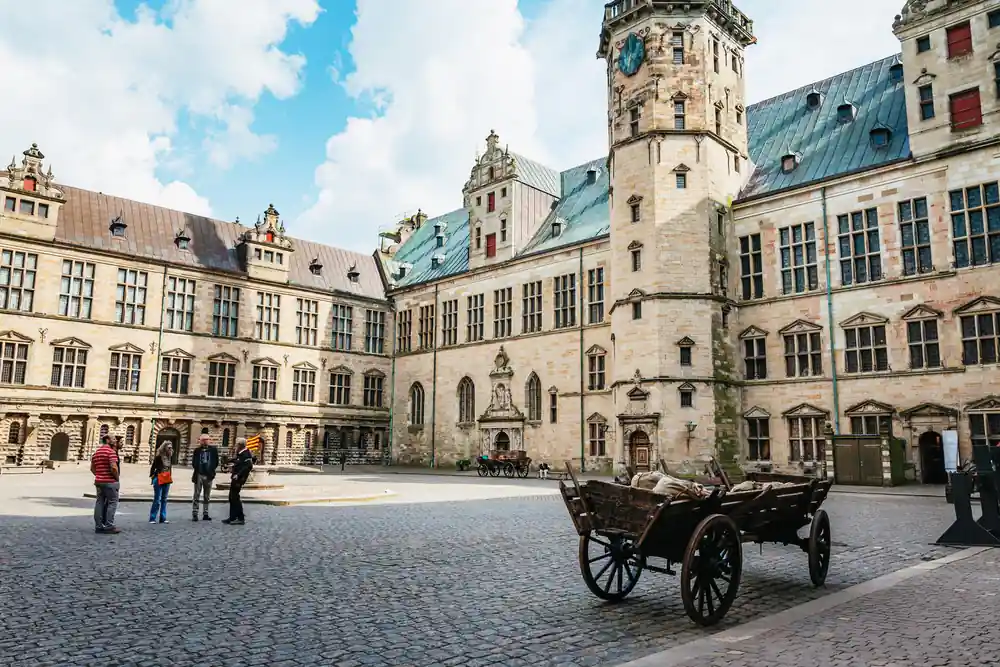
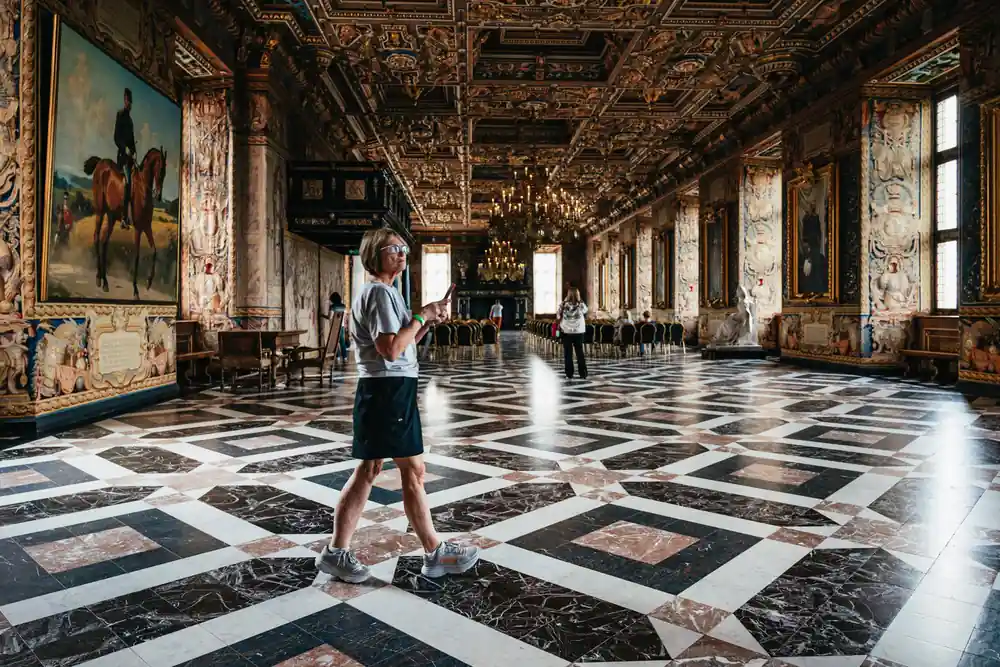
Inside the main courtyard, the architectural style opens up and softens compared to the fortress exterior. The four-sided courtyard is enclosed by Renaissance-style palace wings, built when Denmark's kings wanted Kronborg to rival the great courts of Europe. This is where you orient yourself to the castle's layout. The royal apartments occupy the eastern and northern wings, and this is where most visitors spend their time on a typical visit. Signs in English and a Kronborg Castle plan posted at several points guide you toward the main staircase. Most of the rooms open to visitors date from the 17th and 18th centuries, furnished to show how the court lived when Kronborg was in regular use as a royal residence. Doorways are often low, and the rooms themselves moderate in size; this was functional comfort, not the vast halls of later palaces.
The Chapel and Ballroom
The Kronborg Castle Church occupies a prominent position within the palace wings and is one of the finest rooms in the entire fortress. Built during the reign of Christian IV in the early 17th century, it features ornate wooden carvings, a decorated ceiling, and an atmosphere of deliberate majesty. The chapel remains active for occasional services and events, so access may be restricted at certain times; check at the entrance desk if you wish to see inside. Nearby is the ballroom, a large rectangular space with tall windows and period furnishings that conveys the scale of royal entertaining. Both rooms showcase the contrast between Kronborg's exterior military functionality and its interior role as a seat of power and culture. Toilet facilities are available on this level; ask staff for directions if needed, as the layout can be confusing after several flights of narrow stairs.
4.7
The castle's 4.7-kilometer ramparts encircle one of Europe's most formidable Renaissance fortifications.
Underground Passages and the Casemates
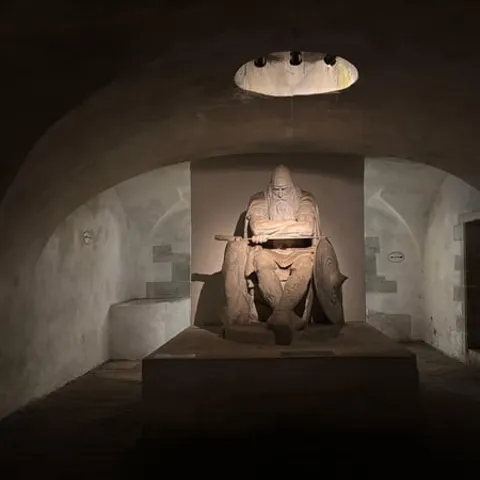
A separate entrance leads down into the casemates, the fortified gun galleries built into the castle's lower levels and beneath the ramparts. These thick stone chambers were designed to house cannon and provide protected firing positions during sieges. The casemate entrance is clearly marked from the main courtyard and requires its own decision to descend; the passages are not part of the main royal apartments tour. The atmosphere below ground is noticeably cooler and more austere than the palace rooms above. Stone vaults arch overhead, and the spaces are dimly lit to reflect their historical use. Allow 30 to 45 minutes to walk the main casemate routes if you choose to explore them; staff at the entrance can advise on which passages are open. This section provides the most visceral sense of Kronborg as a working fortress rather than a palace.
Facilities: Toilets, Café and Gift Shop
A cafe is located on the castle grounds and serves light refreshments, pastries and drinks. It is positioned to be accessible without leaving the site, though it is separate from the main palace buildings. The gift shop stocks books about Danish royal history, local crafts and typical museum merchandise. Both the cafe and shop operate during regular castle visiting hours, though exact times can vary seasonally. Toilet facilities are positioned in multiple locations: near the main entrance by the cloakroom, on the ground floor of the royal apartments, and near the casemate entrance. All are marked with standard signage and are clean and regularly maintained. If you are visiting on a full-day tour that also takes in Frederiksborg Palace and Roskilde Cathedral, manage your time at the cafe so as not to fall behind the group.
Planning Your Kronborg Visit: Time and English Guidance
A realistic visit to Kronborg Castle, covering the royal apartments, church, and either the casemates or the ramparts, takes between two and three hours depending on your pace and interests. If you choose to explore both the palace interior and the casemates thoroughly, allow closer to three hours. English guided tours are available on a scheduled basis; check the information desk when you arrive. These guided tours typically last 90 minutes and cover the main rooms and historical highlights. Without a guide, you can move at your own pace and linger in rooms that appeal to you. An English audio guide is also available and covers each room's history and furnishings. The ramparts and courtyard do not require separate entry; they are included in your admission and can be reached as you move between sections of the castle.
A Realistic Overview of What Awaits You Inside
Kronborg Castle is not a single unified experience but a series of distinct zones that reveal different sides of the fortress's history. The royal apartments show how Danish nobility lived when the court was in residence, with period furniture, paintings and decorative arts that reflect centuries of changing taste. The chapel demonstrates the religious and ceremonial importance of the castle. The casemates reveal the military engineering that protected Denmark's most valuable strategic position. Narrow corridors, uneven stone floors and authentic period details create an immersive sense of moving through an actual fortress and palace rather than a sterile museum. The castle is not climate-controlled, so it stays cool year-round; dress in layers whatever the season outside. A single visit gives a thorough sense of Kronborg's significance.
What each of the four sites charges
Adult gate prices at each site's own ticket office.[1] Children under 18 enter all four free.
What the day costs, three ways
Every figure is a "from" price. Admissions are adult gate prices at each site's own ticket office; children under 18 enter all four sites free.
When Kronborg is open
How the day unfolds
Hotel pickup
The minibus collects from one of 79 pickup points across Copenhagen.
Roskilde Cathedral
Guided inside the royal burial church, where Danish monarchs lie.
Viking Ship Museum
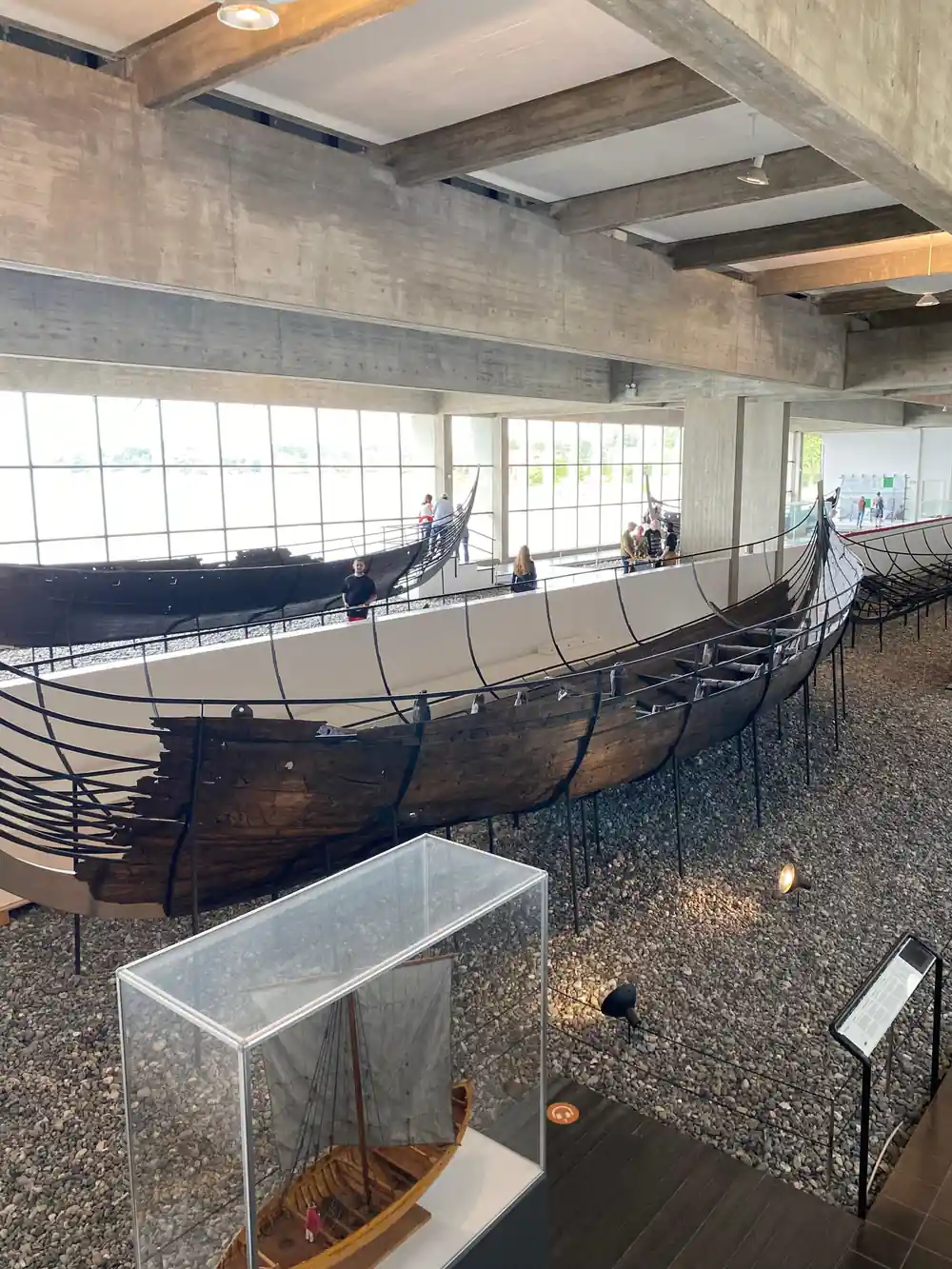
Guided among the Viking vessels raised from Roskilde Fjord.
Frederiksborg Palace
About two hours at your own pace. This stop is not guided.
Kronborg Castle
Hamlet's Elsinore last, guided, before the drive back to Copenhagen.
Ready to explore Kronborg? Book your guided day trip
from US$213Reserve now & pay later