The essentials
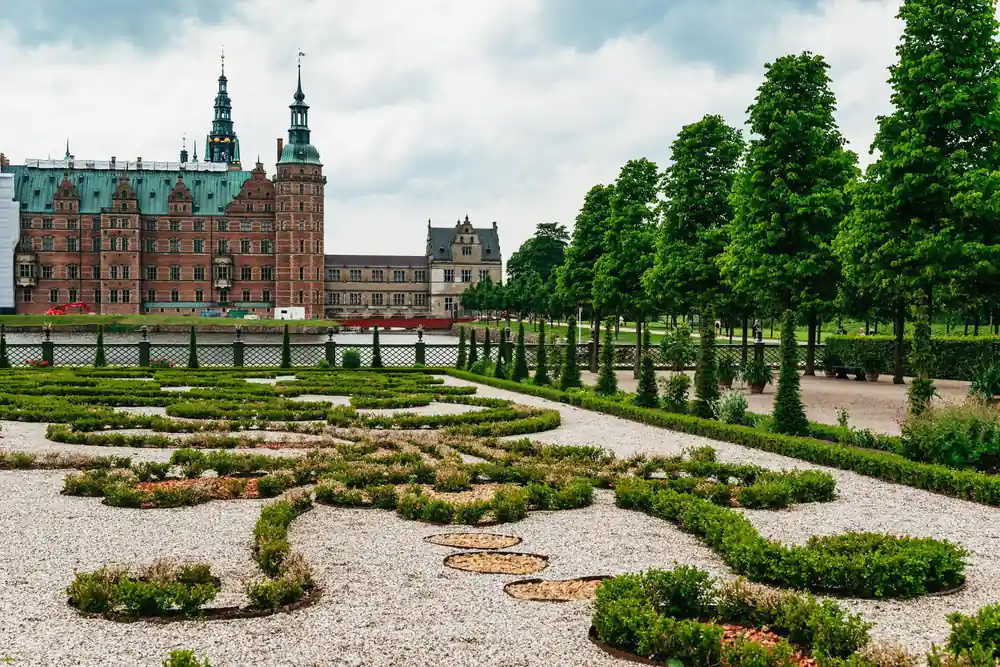
- Frederiksborg Palace sits on an island surrounded by baroque gardens. The Frederiksborg museum inside holds the Museum of National History.
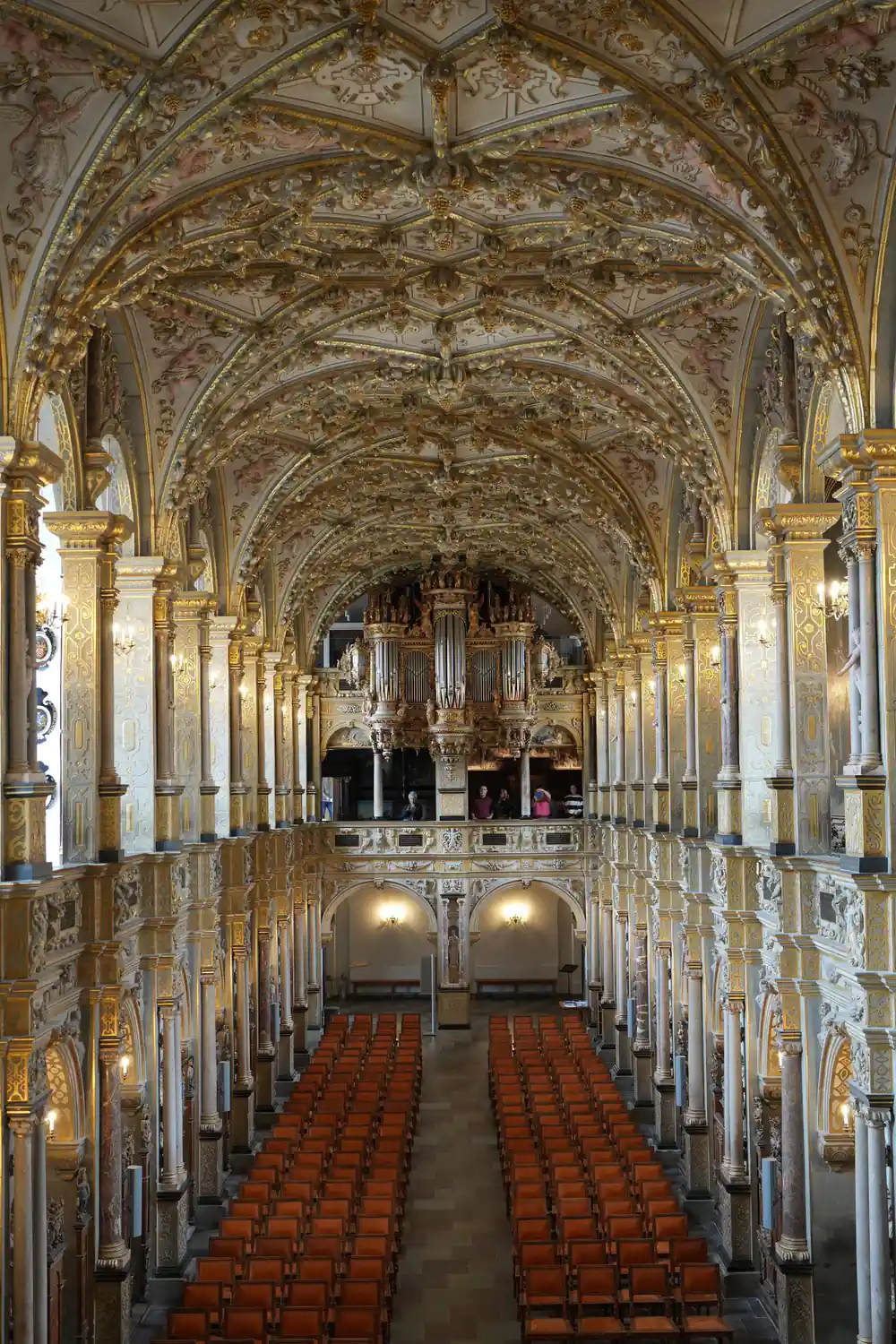
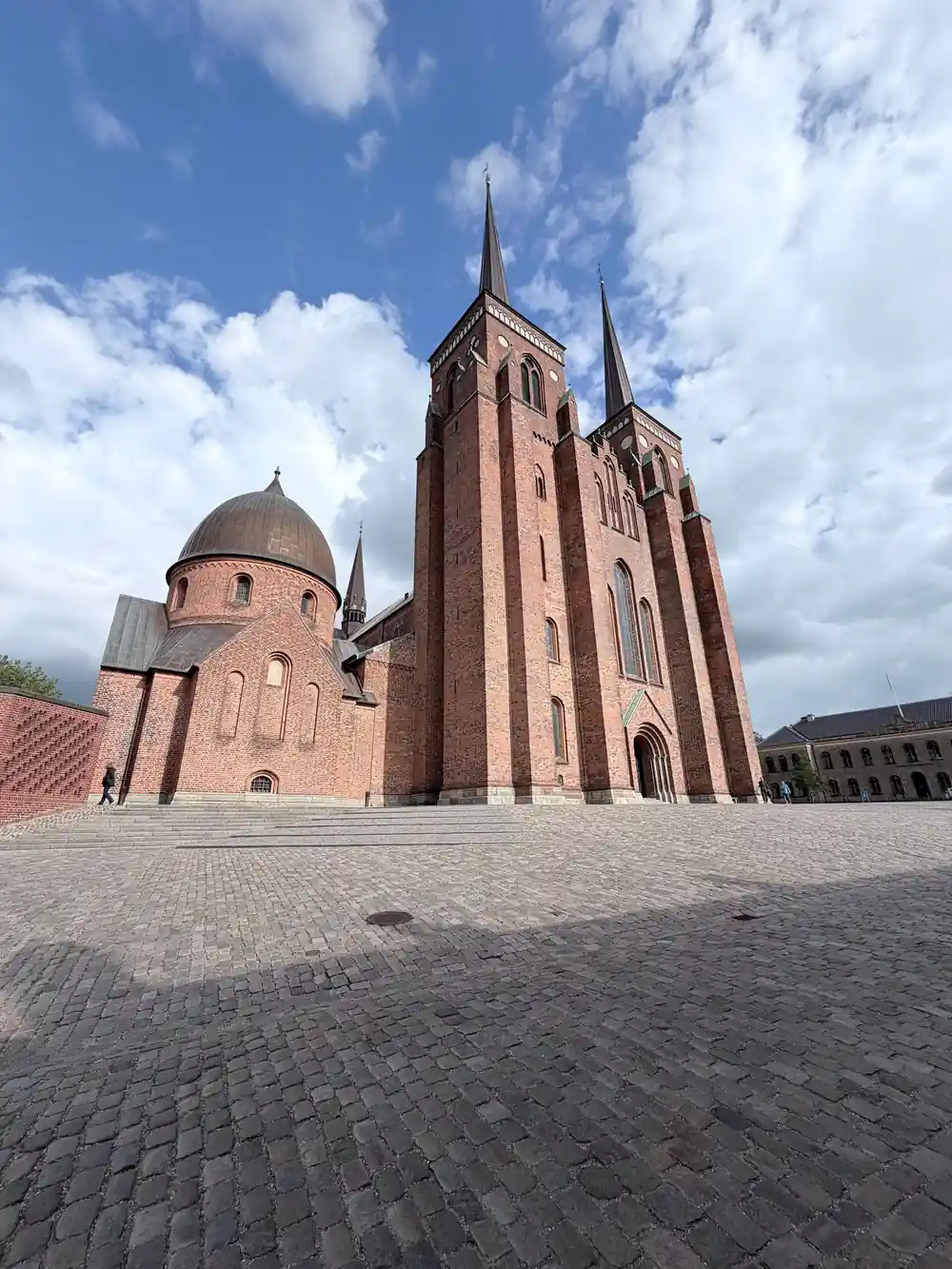
- Roskilde Cathedral is UNESCO listed as a masterpiece of Nordic Gothic architecture and the burial place of Danish kings and queens.
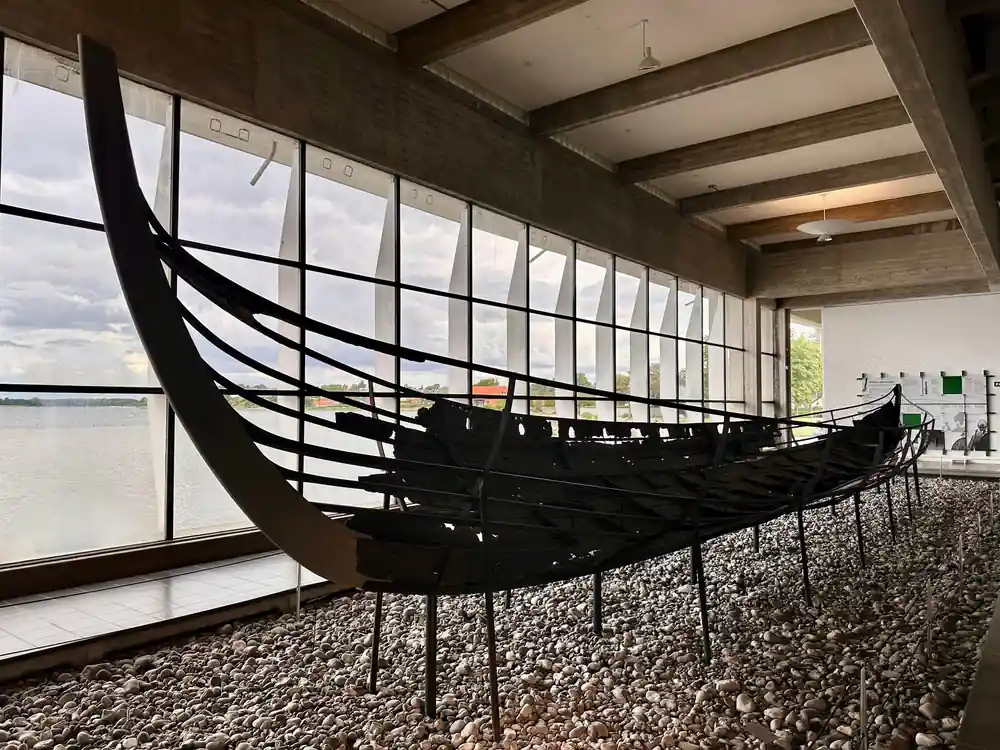
- Five Viking ships, deliberately sunk to block the fjord, rest in Roskilde's harbor. The museum preserves these vessels and their maritime story.
- Roskilde history spans over a thousand years. The city was Denmark's royal seat before Copenhagen rose to prominence.
- Four sites, one narrative. From palace to cathedral to fjord, the day traces how Danish power, faith and seafaring built a nation.
- Top choice Four sites in one day from US$213 Royal burial churchRoskilde Cathedral, guidedRenaissance palaceFrederiksborg, self-guidedRenaissance fortressKronborg, guided Check availability
- Easy-pace castles day from US$154 Royal burial churchNoRenaissance palaceFrederiksborg, guidedRenaissance fortressKronborg, guided See this tour
- Kronborg entry ticket from US$23 Royal burial churchNoRenaissance palaceNoRenaissance fortressKronborg, on your own See this tour
Since the late 1500s, all Danish kings and, with only one exception, queens have found their final resting place in Roskilde Cathedral.
How much of royal Denmark one day holds
The three royal sites
- Roskilde Cathedral: the royal burial church, 80 DKK
- Frederiksborg: Christian IV's Renaissance palace, 125 DKK
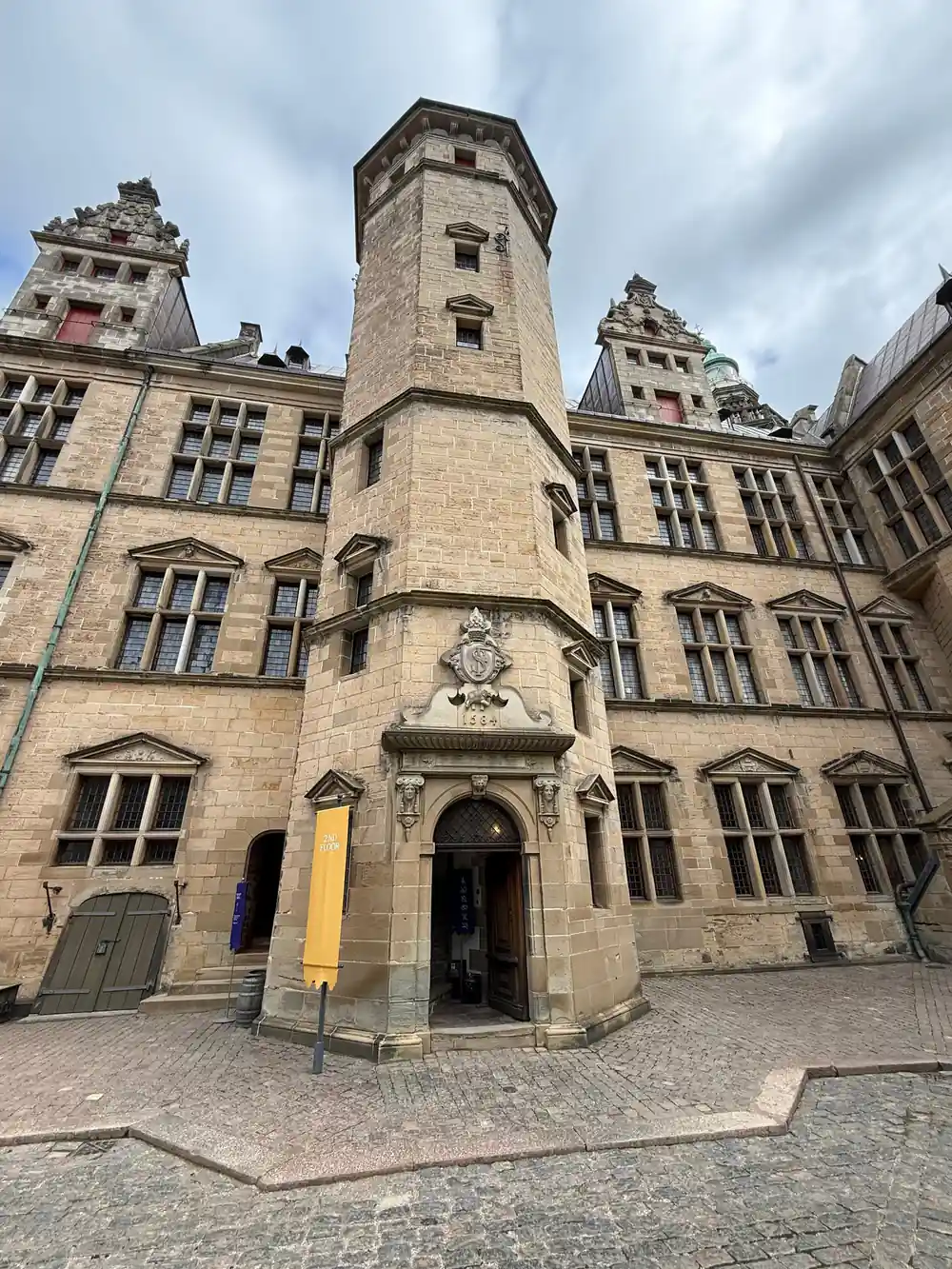
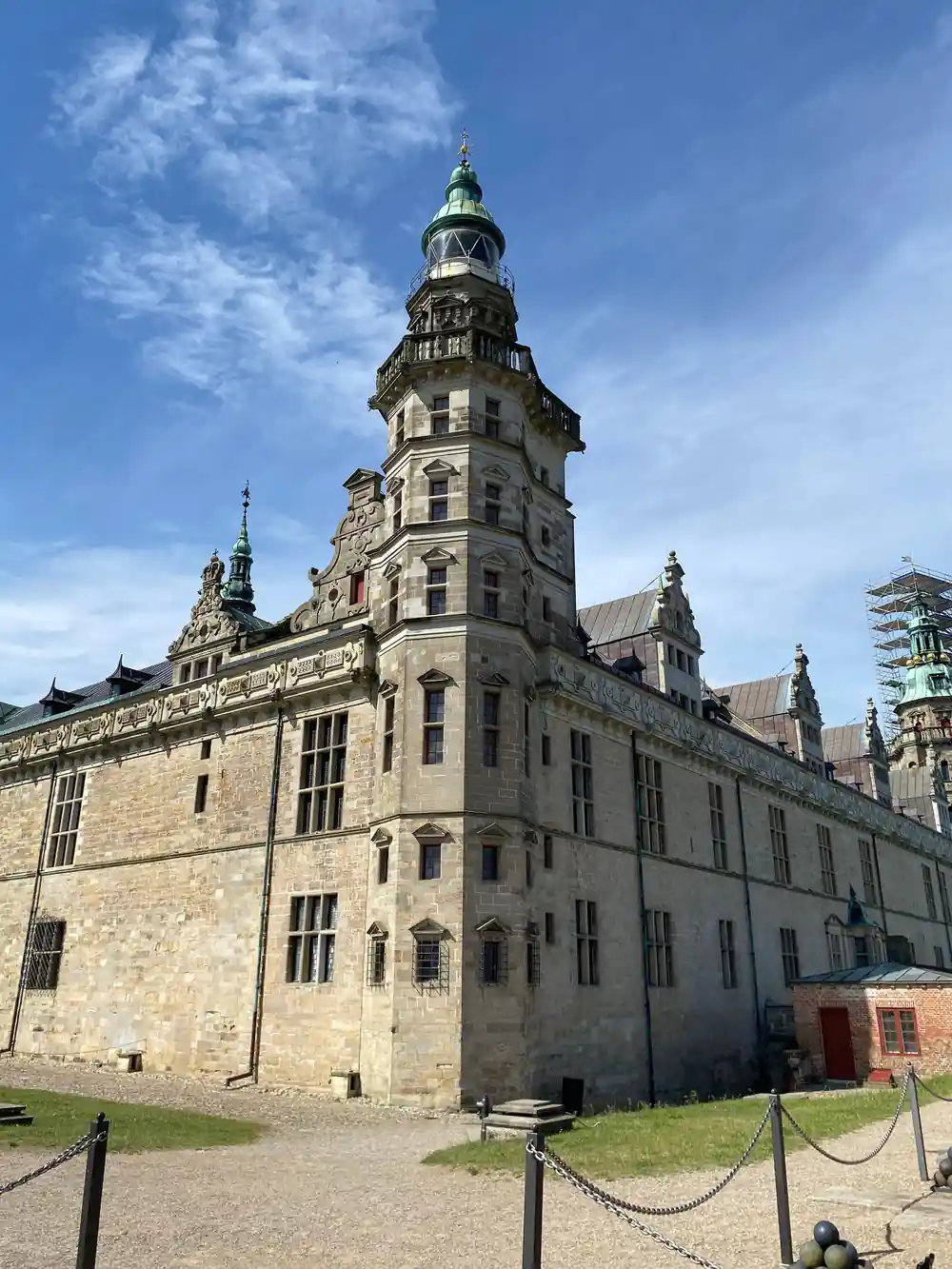
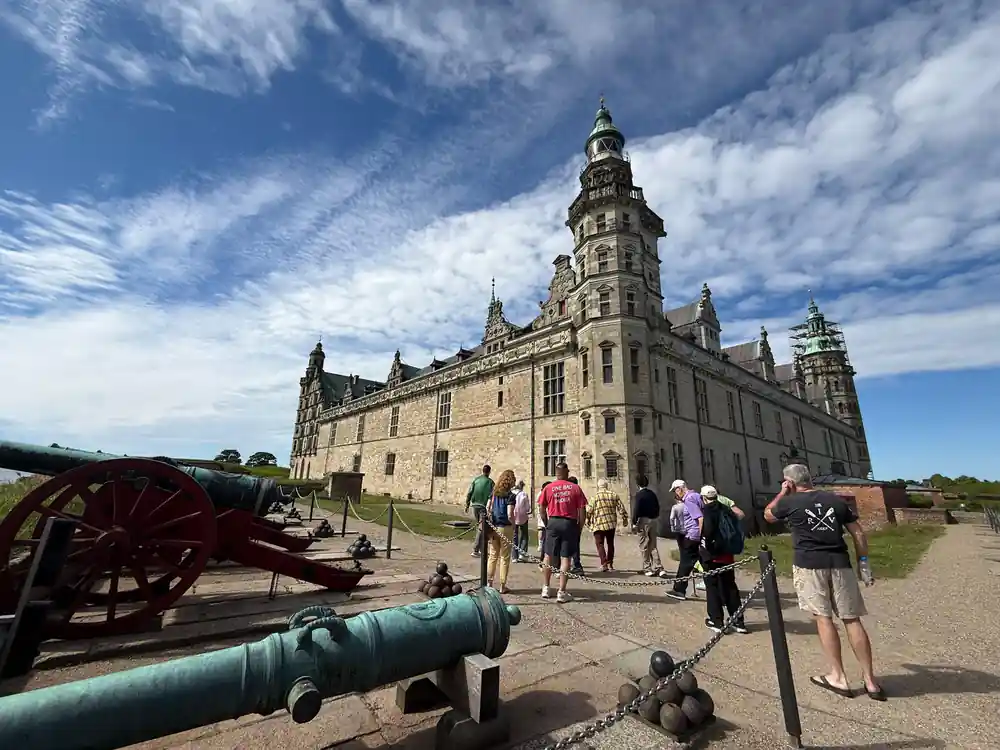
- Kronborg: the fortress on the Sound, 150 DKK
- Under 18 enters all three free
Getting between them
- Three separate towns: Roskilde, Hillerod and Helsingor
- The guided day covers all three in 8.5 hours
- Hotel pickup from 79 points in Copenhagen
- Two of the three are UNESCO World Heritage sites
Three Royal Landmarks in One Day
This full-day minibus tour connects three of Denmark's most significant historical sites in a single 8.5-hour journey. You'll visit Frederiksborg Castle, the Viking Ship Museum in Roskilde, and Kronborg Castle, each one a distinct chapter in the country's royal story. Hotel pickup and drop-off bookend the experience, so you step directly into the narrative without worrying about navigation. A scheduled lunch break gives you time to rest and reflect on what you've discovered, and the included driver-guide explains the connections between each stop as you travel.
The thread running through the day is power: how Danish monarchs built, fortified, and commemorated their rule across centuries. From a Renaissance palace modeled on European grandeur to a medieval cathedral that holds the nation's kings to a Viking-age naval defense, these four sites reveal how Denmark positioned itself as a major Nordic force. The 79 pickup and drop-off locations mean the tour is designed to fit your hotel's location, not the other way around.
Frederiksborg Castle: Denmark's Versailles
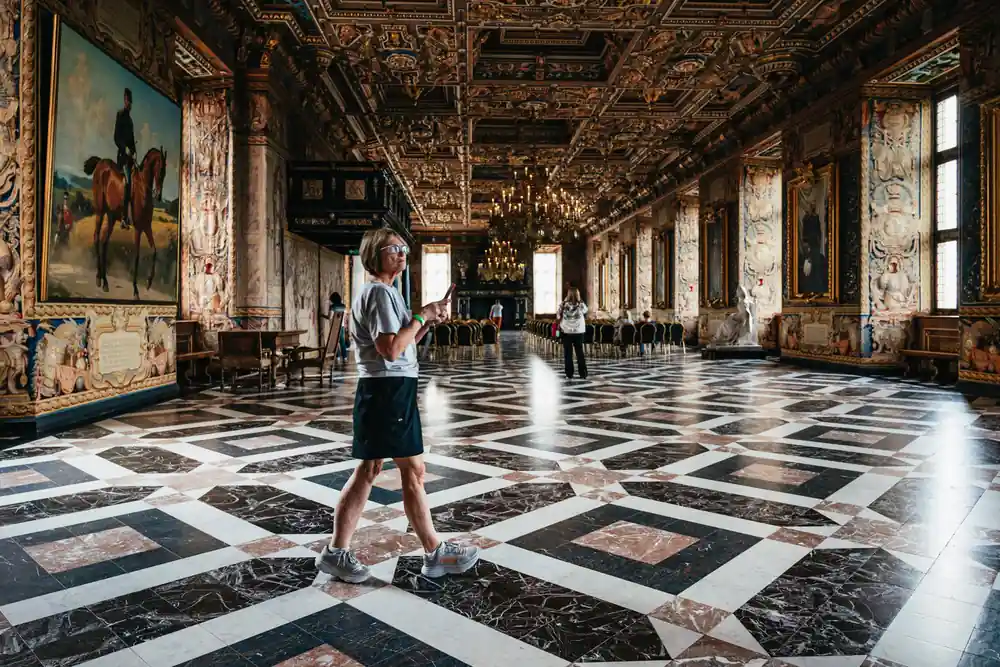
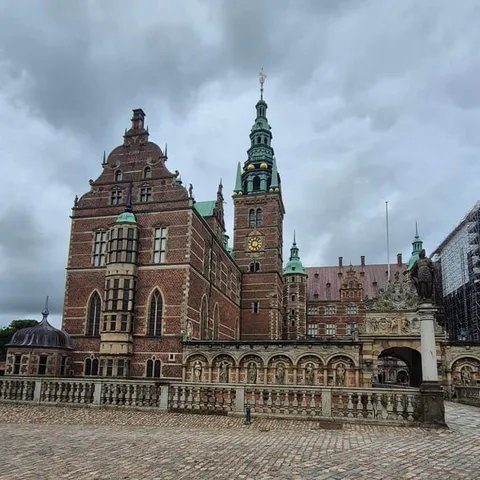
Frederiksborg Castle in Denmark stands as the country's most visually overwhelming royal residence, a red-brick and copper-roofed complex rising from a lake like something from a Renaissance fever dream. King Christian IV built it in the early 1600s as his answer to the absolute palaces of continental Europe, and it was indeed inspired by Versailles in its ambition, though Denmark's version arrived first and floats on water. The castle contains the Frederiksborg Museum of National History, a portrait collection that traces the faces and personalities of Danish monarchs from the 16th century onward, offering an intimate look at how power was understood and displayed.
The baroque gardens surrounding the castle are as carefully composed as any royal statement. Manicured hedges, ornamental fountains, and geometric paths create the formal landscape that Christian IV intended to impress visitors and remind subjects of order and authority. Walking through these grounds, you stand where 17th-century courtiers once circulated, and the symmetry still conveys the message it was designed to send: here is mastery over nature, here is command. The castle's architecture and collections together make it not just a building but a museum of royal self-presentation.
Roskilde Cathedral: Burial Place of Kings
Roskilde Cathedral, a UNESCO World Heritage site, has served as the burial church for Danish monarchs since the 12th century. Walking into its soaring Gothic interior, you stand amid the tombs and monuments of the rulers who shaped the nation. The Roskilde cathedral tour included in this day trip takes you through chapels where Christian IV, Frederick VIII, and other sovereigns lie in elaborate stone and marble monuments. Each tomb tells a story of its era: some are Renaissance masterpieces, others baroque excess, each reflecting the tastes and ambitions of the king or queen it commemorates.
The cathedral also functions as a monument to continuity. For over 800 years, Danish rulers have chosen to be buried here, making it a physical record of succession and legitimacy. The craftsmanship in the tombs is exceptional, with sculptors capturing not just royal effigies but the very idea of permanent power translated into stone. Your guide will walk you through the most significant burials and explain the dynastic relationships they represent, turning the cathedral into an open textbook of Danish royal history.
1000
39 Danish monarchs rest in Roskilde Cathedral, making it the royal heart of a thousand years of history.
Why Roskilde Mattered: Denmark's Former Capital
Roskilde in Denmark was not always a historical backdrop. For centuries, it served as the nation's capital and spiritual center, chosen by monarchs as the place where power and faith would be most visibly united. The city's prominence declined when Copenhagen rose in importance, but that shift itself tells you something: Roskilde's significance was so established that only another major center could eclipse it. Today the town preserves medieval streets and the sense of a place that once mattered immensely, and the tour allows you to understand why Danish kings were drawn here and why they invested in making it grand.
The Viking Ship Museum in Roskilde adds another layer to the city's story. Five Viking-era vessels, deliberately sunk in the fjord to block an enemy approach around 1070, were excavated in the 1960s and partially reconstructed. These Skuldelev ships, as they're known, show how Roskilde controlled maritime access to the interior and how seriously medieval Denmark took coastal defense. The museum displays these partial hulls alongside artifacts that bring the Viking Age into focus, transforming Roskilde from a medieval royal seat into a window on the Viking world that preceded it.
The Skuldelev Ships: Vikings in Defense
The five Skuldelev Viking ships were not lost in battle or buried as grave goods. They were deliberately sunk as a naval blockade, a practical decision made around 1070 to prevent enemy vessels from sailing up the fjord toward Roskilde. The strategy worked: the sunken ships created an obstruction that protected the city. Over 900 years later, archaeologists recovered the remains and pieced together what these vessels tell us about Viking shipbuilding, trade routes, and military tactics. Some were warships, others merchant vessels repurposed for defense, suggesting that Roskilde's rulers used whatever was available to seal off their fjord.
The museum's presentation of these ships transforms them from archaeological fragments into evidence of a functioning medieval state. You see the wood grain, the nail patterns, the wear marks that reveal how Vikings built and maintained their vessels. The Skuldelev ships prove that the Viking Age did not end neatly in 1066 or whenever you learned it in school; it overlapped with Christian kingdoms and royal fortifications, and these five ships sit at the intersection of both worlds. Viewing them gives you a sense of continuity: the same fjord that had hosted Viking longships now sheltered a medieval royal city.
What to Expect: A Guided Journey Through Time
Your minibus holds a small group, which means you'll move through these sites at a pace that allows actual observation rather than rushed photo stops. The included driver-guide provides context at each location, explaining not just what you're seeing but why it mattered and how it connects to the other sites. Water and WiFi on the bus let you stay comfortable and connected between stops. Entrance fees are included, so you move through each site without additional transactions or decisions about what to see.
The 8.5-hour duration might seem long, but it accounts for travel time between locations that are spread across the region, plus the time needed to meaningfully experience each space. You're not skimming these places; you're absorbing them. The scheduled lunch break comes at a natural point in the day, allowing you to rest and process before the final sites. By the end, you'll have moved through nearly a thousand years of Danish royal history, from Viking naval defense through baroque magnificence, all connected by the people who ruled and the places they built to last.
Practical Details for Your Tour Day
Hotel pickup begins your day at a time designed around the full 8.5-hour itinerary, so confirm your pickup location and time when you book. The tour accommodates 79 different pickup points across Copenhagen, making it accessible whether you're staying in the city center or on the outskirts. Bring comfortable walking shoes, as you'll be on your feet at castles, museums, and the cathedral. The minibus is air-conditioned and equipped with WiFi, but this is a sightseeing tour, not a leisurely cruise, so plan to be engaged for most of the day.
The calendar of Danish history you'll experience moves backward and forward in time, so pay attention to your guide's explanations of how each site relates to the others. Frederiksborg shows you royal ambition at its baroque peak; Roskilde Cathedral shows you where that power ended in death and dynasty; the Viking ships show you what preceded all of it, the seafaring culture that became the foundation for a Danish state. By day's end, you'll understand not just what to see in each place but why Denmark built them and what they reveal about a nation's sense of itself across eight centuries.
What Roskilde Cathedral charges
The ticket covers the royal tombs, chapels, museum and gallery.[1]
The three royal sites, three ways
Every figure is a "from" price. Admissions are adult gate prices; under 18 is free at all three.
What was built when
The royal day in order
Roskilde Cathedral
The burial church of the Danish monarchy, visited with a guide.
Viking Ship Museum
Five vessels raised from the fjord, a short walk from the cathedral.
Frederiksborg Palace
About two hours at your own pace in Christian IV's Renaissance palace.
Kronborg Castle
The fortress on the Sound, guided, before the return to Copenhagen.
Three Royal Sites, One Seamless Day
from US$213Reserve now & pay later