The essentials
- Wear comfortable walking shoes with good grip. Cobblestone streets and spiral castle staircases demand sturdy soles and ankle support for a full day on your feet.
- Denmark runs almost entirely on cards. Bring a credit or debit card for all purchases. Cash is rarely accepted at shops, cafes or ticket windows.
- Tipping is not obligatory in Denmark, but rounding up or adding 5-10% is appreciated if your guide provided excellent service throughout the day.
- Keep your bag small and compact. The minibus has no luggage storage, so only a daypack or shoulder bag fits comfortably on board with you.
- WiFi is available on the bus, so you can download offline maps or castle guides before departure. Phone charging depends on your device cable compatibility.
- Top choice Four sites in one day from US$213 Card acceptedYes, booked onlineCash neededOnly for lunch and extrasBag storageNone on the bus Check availability
- Easy-pace castles day from US$154 Card acceptedYes, booked onlineCash neededOnly for lunch and extrasBag storageNone stated See this tour
- Kronborg entry ticket from US$23 Card acceptedYes, booked onlineCash neededOnly for extrasBag storageCloakroom at the castle See this tour
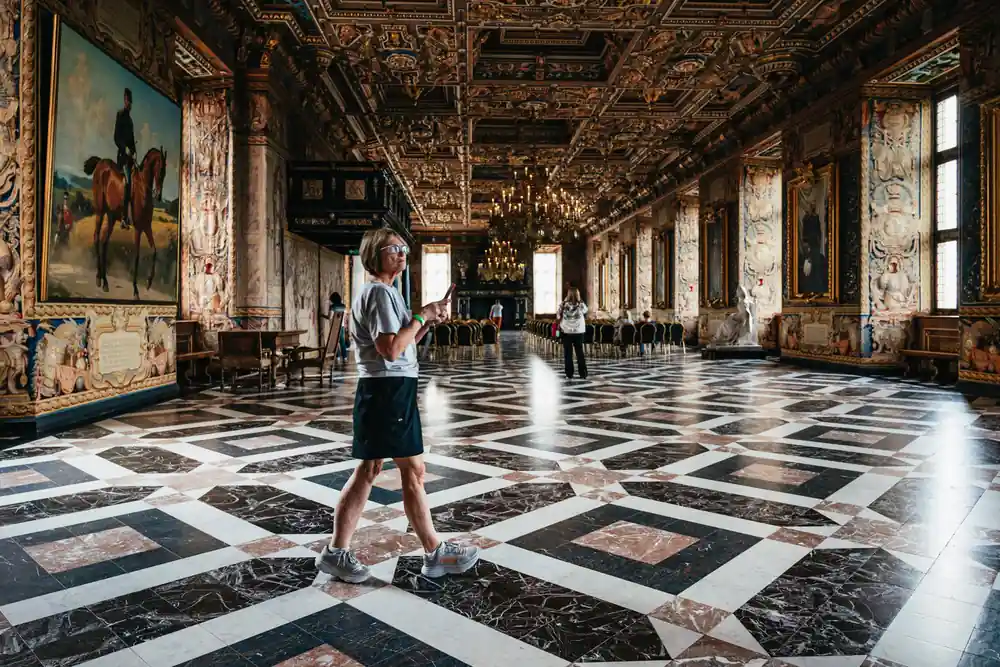
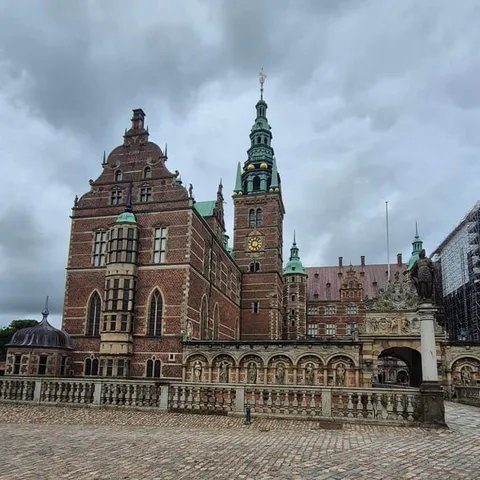
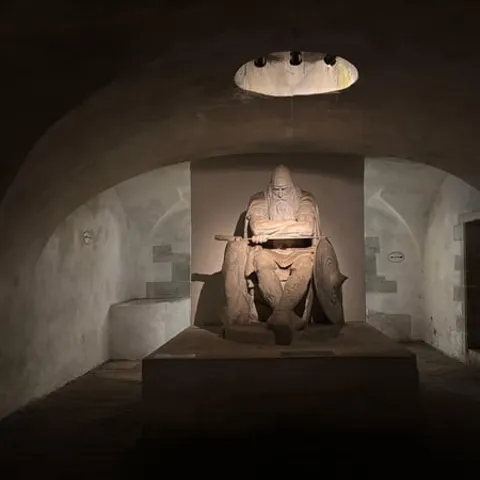
For centuries, it played a central role in Danish identity and in the history of Northern Europe from the 16th to the 18th centuries.
What actually needs carrying
What to carry
- A small bag only: large backpacks and luggage may not enter Kronborg
- Cloakroom facilities at Kronborg are free of charge
- Layers, because castle interiors are unheated year round
- Something waterproof; rain is steady all year
Paying and eating
- Cards work almost everywhere in Denmark
- Kronborg is 135 DKK online against 150 DKK at the gate
- Packed food may be eaten in The Old Kitchens at Kronborg
- The bus has no storage for luggage or large items
Footwear for cobbles, ramparts and castle stairs
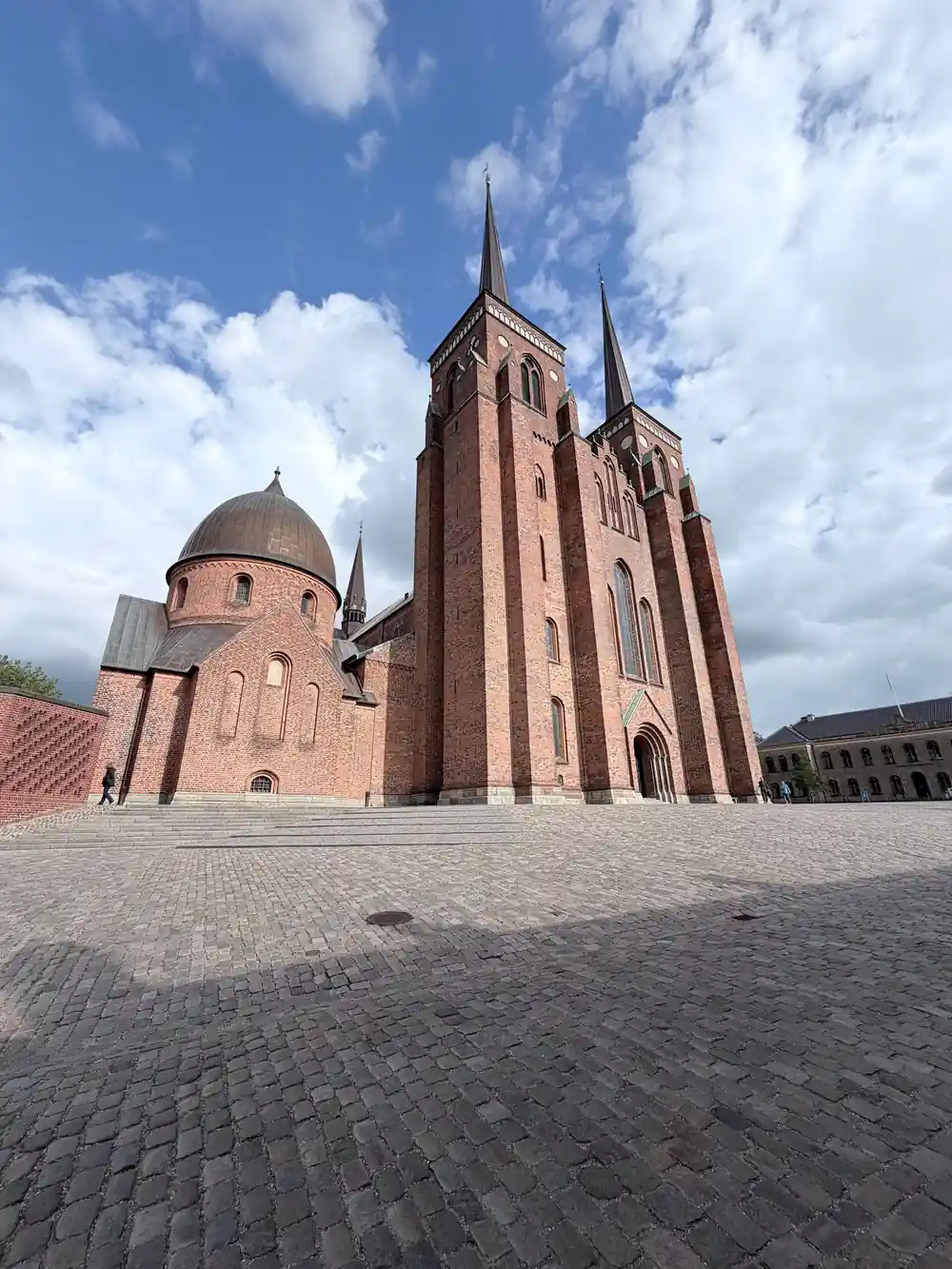
Roskilde's medieval streets and the grounds of Frederiksborg and Kronborg castles mix smooth modern pavements with centuries-old cobblestones that can be uneven and slippery when wet. Wear closed-toe shoes with good grip and ankle support. Trainers or hiking shoes work well. Avoid flip-flops, sandals and smooth-soled dress shoes, which offer neither stability nor protection on uneven surfaces.
Both castles contain spiral staircases, particularly Kronborg's tower access, where steps are worn and narrow in places. A sturdy shoe with a defined heel helps you place your foot securely on each step. If you have knee or mobility concerns, ask your guide at the start of the day which areas have stairs so you can plan your route. Flat walking shoes are better than heels for a full day on your feet across four different sites.
Paying by card: Denmark is almost entirely cashless
Denmark operates as one of Europe's most card-dependent economies. Every venue on this tour, from the museum entrance desks to cafes and gift shops, accepts Visa and Mastercard. Contactless payment (tapping your card) is standard everywhere. Bring a major debit or credit card and assume you will not need cash for any transaction during the day.
The single exception is very small tips left for your guide or driver if you choose to tip. While tipping is not expected in Denmark as it is in other countries, some travellers prefer to leave a small amount in notes as a gesture. If you want this option, draw 200-300 Danish kroner from a Copenhagen ATM before you depart your hotel. ATMs are widespread in the city and accept all international cards. For the tour itself, card payment covers all entrance fees and any meals you buy at stop locations.
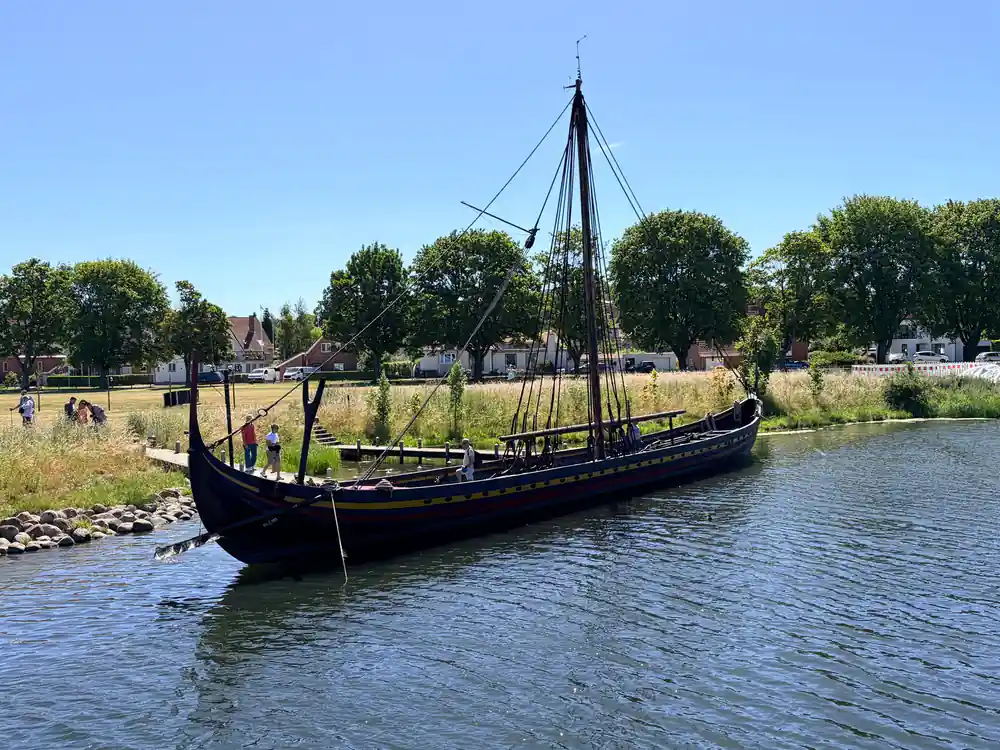
Sturdy shoes grip wet cobbles and castle stone stairs
What bag size to carry and what to leave at your hotel
The minibus has limited interior storage. Bring only a small rucksack or shoulder bag that fits comfortably on your lap or under the seat. A day pack of 20 litres or less is ideal. Do not bring a large rolling suitcase, a full hiking rucksack or multiple bags. Space is tight, and the driver cannot guarantee storage for oversized luggage.
Leave your main suitcase at your hotel. You will not need to change clothes or access large items during the eight-and-a-half-hour tour. Pack your day bag with essentials: a camera, phone, light layer for temperature changes, sunscreen, any medications, and a reusable water bottle (empty, as you will refill it during the day). Cameras are welcome in all castles, though some interior areas may restrict flash photography. Ask your guide for rules at each location as you arrive.
Phone charging, offline maps and navigation
The minibus is equipped with WiFi and includes water for all passengers. However, there are no power sockets on board for charging phones or devices. Use the WiFi to download offline maps and any castle apps before departure. Google Maps offline mode works well for Copenhagen, Roskilde, and the surrounding region. Kronborg Castle and Frederiksborg Palace both have their own apps with floor plans, audio guides and historical information, available free from Apple App Store and Google Play. Download these while connected to your hotel WiFi so you can access them without mobile signal.
Plan any photos or videos you want to take, as you cannot charge a device mid-tour. Bring a portable battery pack (powerbank) if you rely on your phone for navigation, translation or photography throughout the day. Most phone models need 5-10 per cent battery reserved to function, so a small portable charger lasting 10-15 hours is sufficient for an eight-hour outing.
98%
Denmark is 98% cashless, so pack your card and wear sturdy shoes for castle cobblestones and steep spirals.
Water refills and hydration across the day
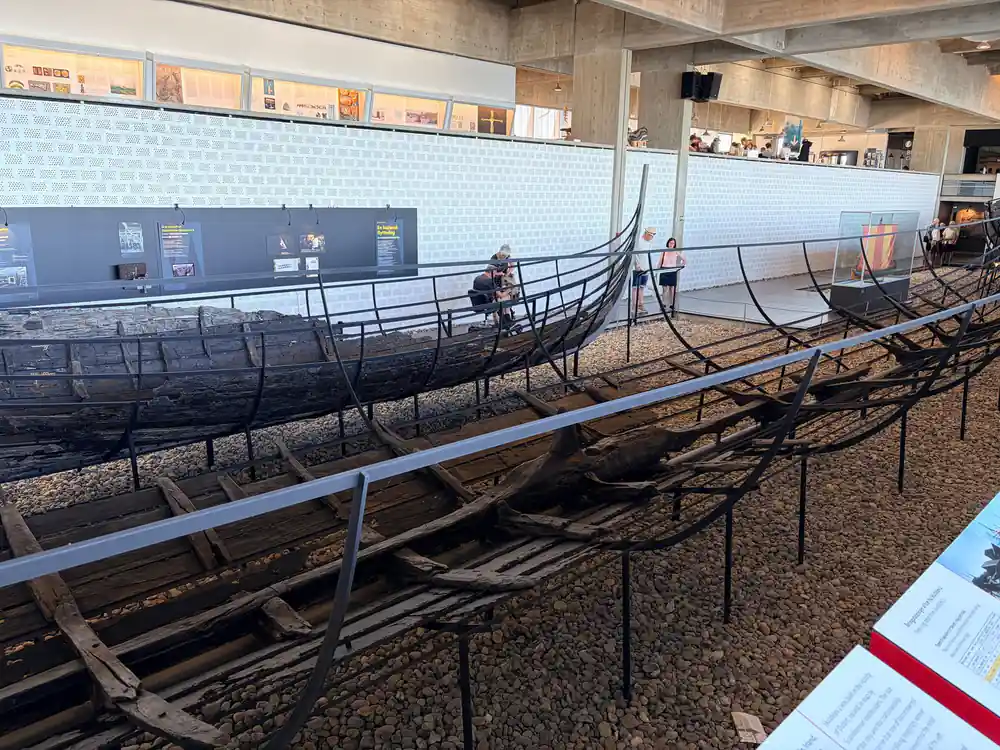
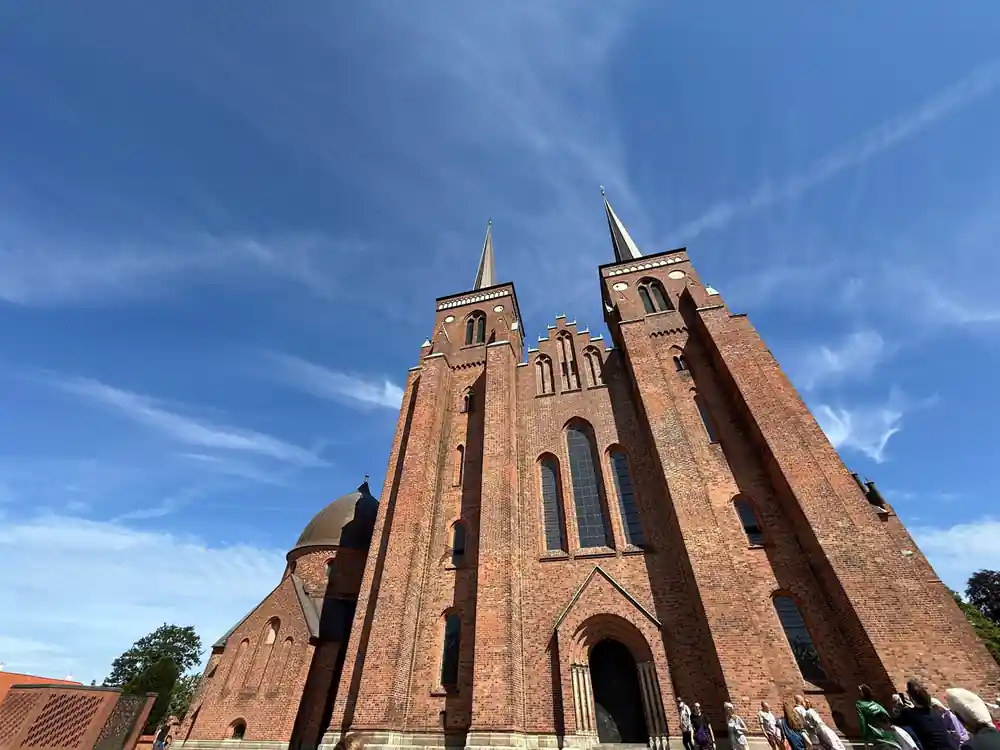
Complimentary bottled water is provided on the minibus at the start of the tour. Bring a reusable water bottle and refill it at visitor facilities. Roskilde Cathedral and both castles have public restrooms and water fountains or taps in café areas. The Viking Ship Museum in Roskilde also has a café where you can purchase drinks and request tap water. During the scheduled lunch break at one of the stops, refill your bottle and drink before boarding for the next site, as the bus ride between locations typically lasts 20-40 minutes with no stops.
Denmark's tap water is among the cleanest in the world and safe to drink everywhere. A refillable bottle saves money, reduces plastic waste and keeps you hydrated during a full day of walking around outdoor castle grounds and indoor exhibitions. Bring your bottle empty and full it once on the bus, then at each location. On warm days, drink small amounts regularly rather than waiting until you are thirsty.
Documents and identification for this Danish day trip
You do not need a passport for this day trip from Copenhagen. A valid national ID card or passport is required only if you plan to cross a border or fly. Since this tour stays within Denmark and returns to Copenhagen the same day, a standard ID or driver's licence is sufficient. If you are a non-EU citizen with a Danish residence permit or visa, carry that documentation with you.
All entrance fees to Roskilde Cathedral, the Viking Ship Museum, and both castles are included with your tour. No special tickets, passes or advance bookings are needed on your part. Your guide will manage group entry at each site. If you have a museum membership card from your home country, bring it in case any attraction offers reciprocal discounts, though this is not guaranteed. Accessibility information: inform your guide at pickup if you need mobility assistance, accessible facilities, or have dietary requirements for the lunch break.
Using a Kronborg map and planning your castle time
Kronborg Castle is famously the setting of Shakespeare's Hamlet. Its layout spans multiple levels, courtyards, ramparts and casemates (fortified underground chambers). Collect a printed Kronborg map at the entrance or download the castle's digital guide beforehand. The map shows accessible routes, stairs, tower access and the location of restrooms. Allow 90 minutes to two hours at Kronborg so you can walk the outer ramparts for views across the Øresund strait to Sweden, explore the main halls and, if interested, descend into the casemates for a sense of the fortress's military design.
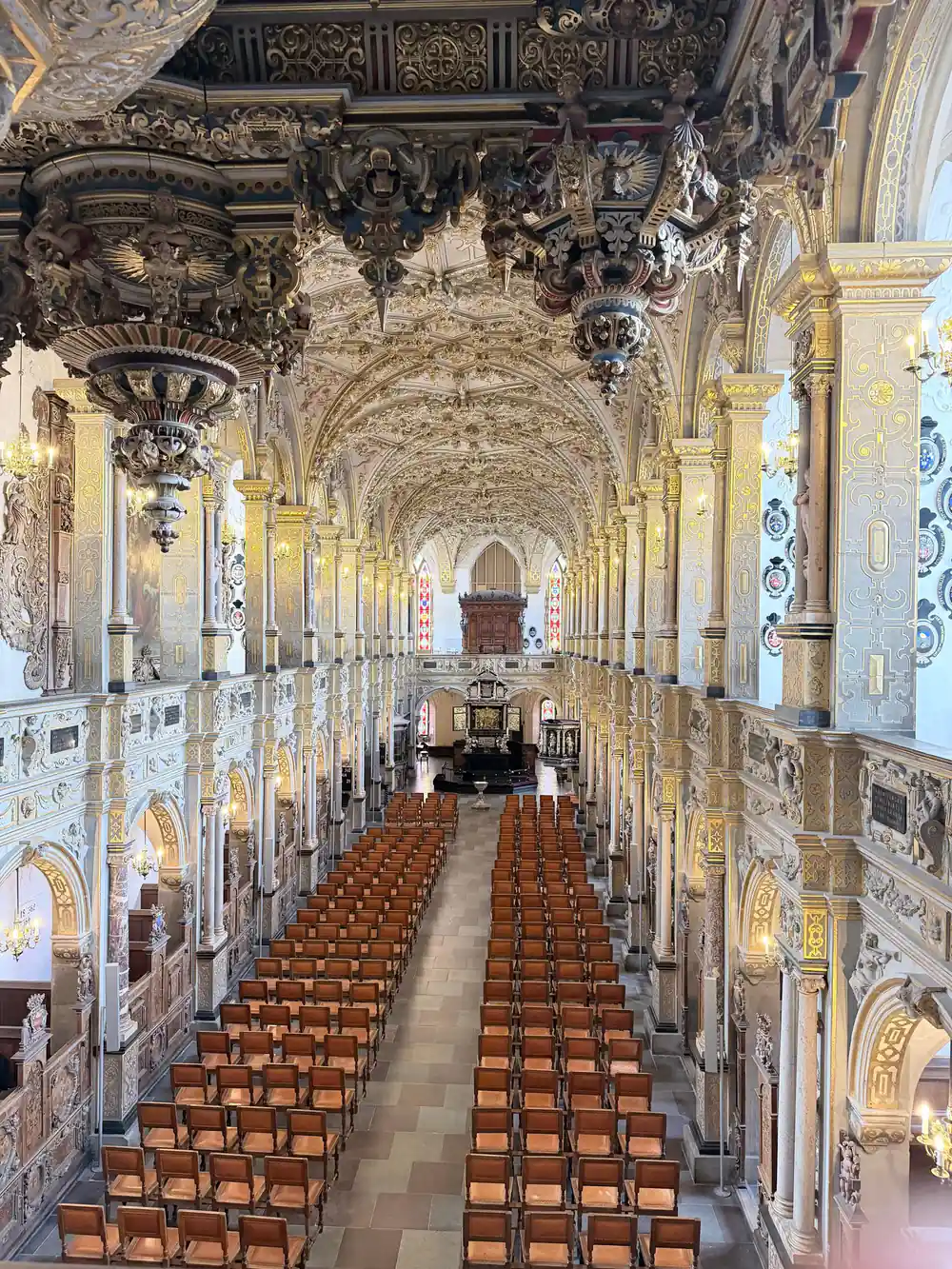
Frederiksborg Palace, set on an island in a lake, is one of Scandinavia's largest castles and houses Denmark's National History Museum. Its interior is more extensive than Kronborg's, with furnished rooms spanning the Renaissance to modern era. Plan two to three hours here, depending on your pace and interest in the museum collections. Both castles have cafés for coffee or snacks during your visit. Your guide will brief you on meeting times and what not to miss at each location, so you can explore with confidence and return on schedule.
Rainfall by month, Copenhagen
NOAA GHCN monthly normals, 1991 to 2020.[3]
What you still pay for on the day
Every figure is a "from" price. On the guided day the only spending left is lunch and anything you buy.
Paying, in practice
Packing for the route
Footwear first
Cobbles, ramparts and uneven stone floors across all four sites.
Layers, not a coat
Castle interiors are unheated and stay cool whatever the season outside.
A small bag only
The bus has no storage for luggage or large items.
Card, not cash
Denmark is close to cashless; cards work at every ticket office.
Something waterproof
Rain is steady year round, from 32 mm in March to 67 mm in July.
Pack light, we handle the rest
from US$213Reserve now & pay later