The essentials
- Not suitable. Castles feature multiple staircase sections, uneven cobblestone grounds, and limited wheelchair pathways throughout the sites.
- Expect significant stairs and cobbled terrain at all three destinations. Comfortable walking shoes essential. Limited rest areas between main attractions.
- 8.5-hour journey includes full-day travel. Standard coach seating; those prone to motion sickness should consider preventative measures beforehand.
- Generally appeals to kids aged 7 and up. Viking ships and castle exploration engage young visitors, though long minibus hours may challenge younger children.
- Strollers impractical inside castle interiors and on cobbled grounds. Pets not permitted on the minibus or at heritage sites.
- Top choice Four sites in one day from US$213 PaceFour sites in 8.5 hoursHotel pickupIncluded, 79 pointsUnder 18 admissionFree at all four sites Check availability
- Easy-pace castles day from US$154 PaceTwo castles, slowerHotel pickupIncluded, 50 locationsUnder 18 admissionFree at both castles See this tour
- Kronborg entry ticket from US$23 PaceEntirely your ownHotel pickupNot includedUnder 18 admissionFree See this tour
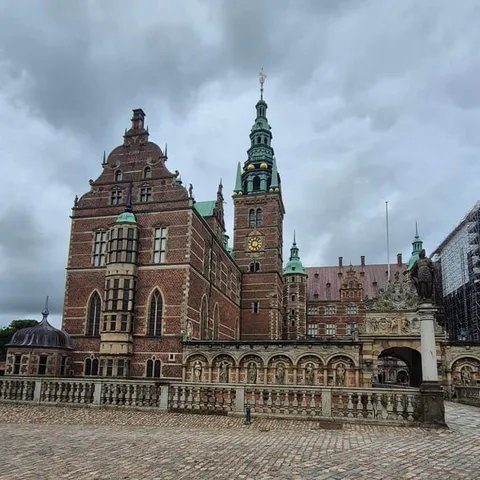
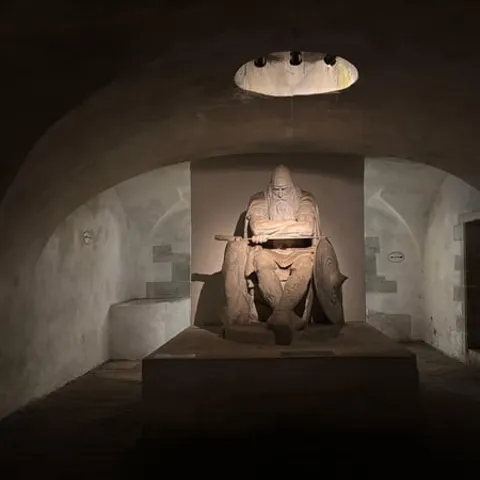
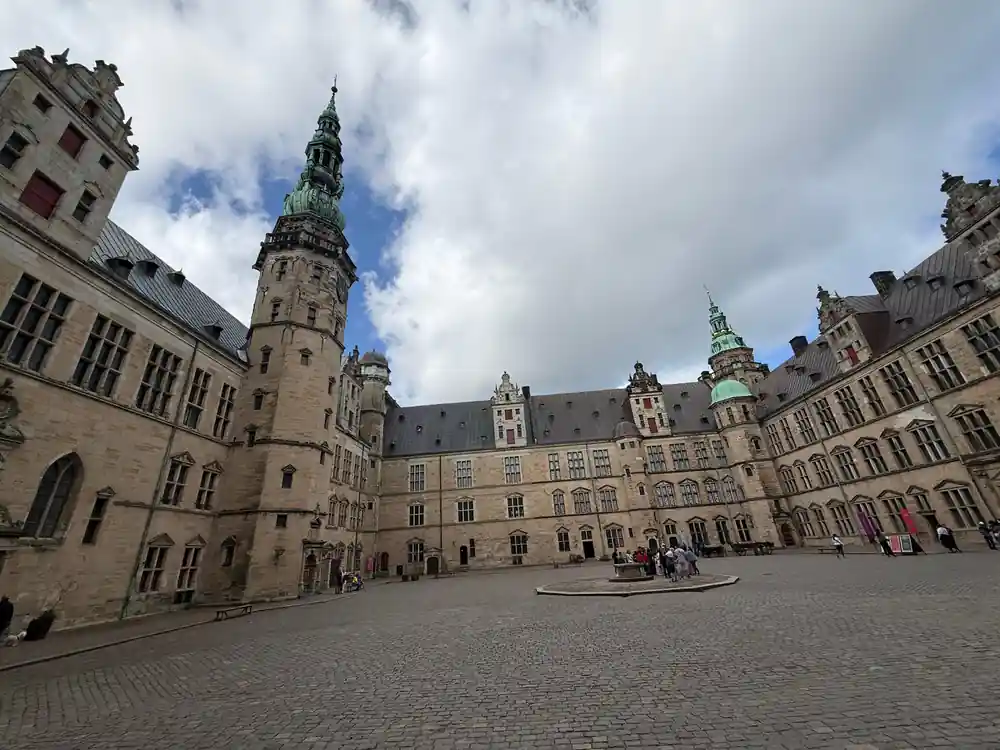
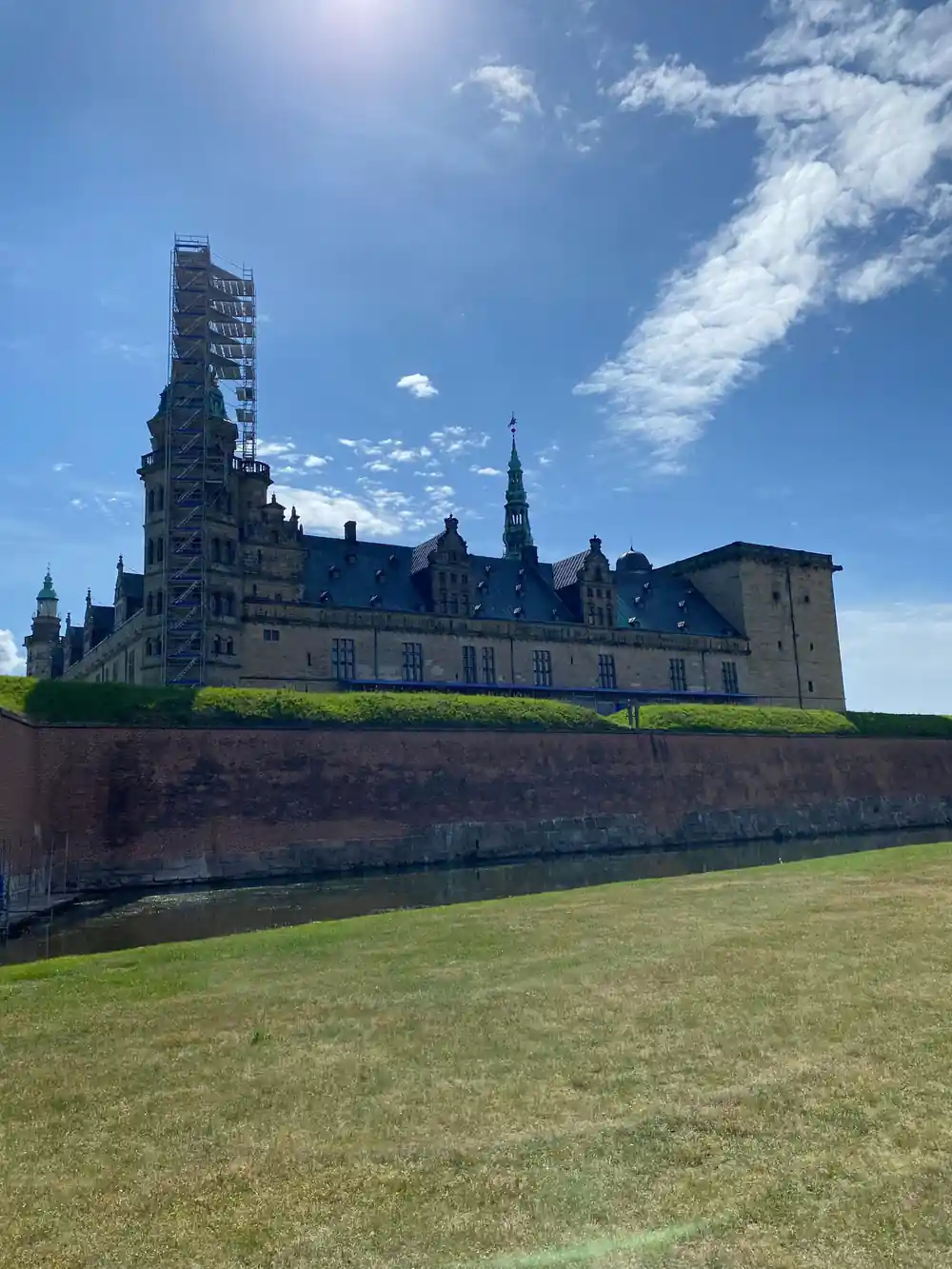
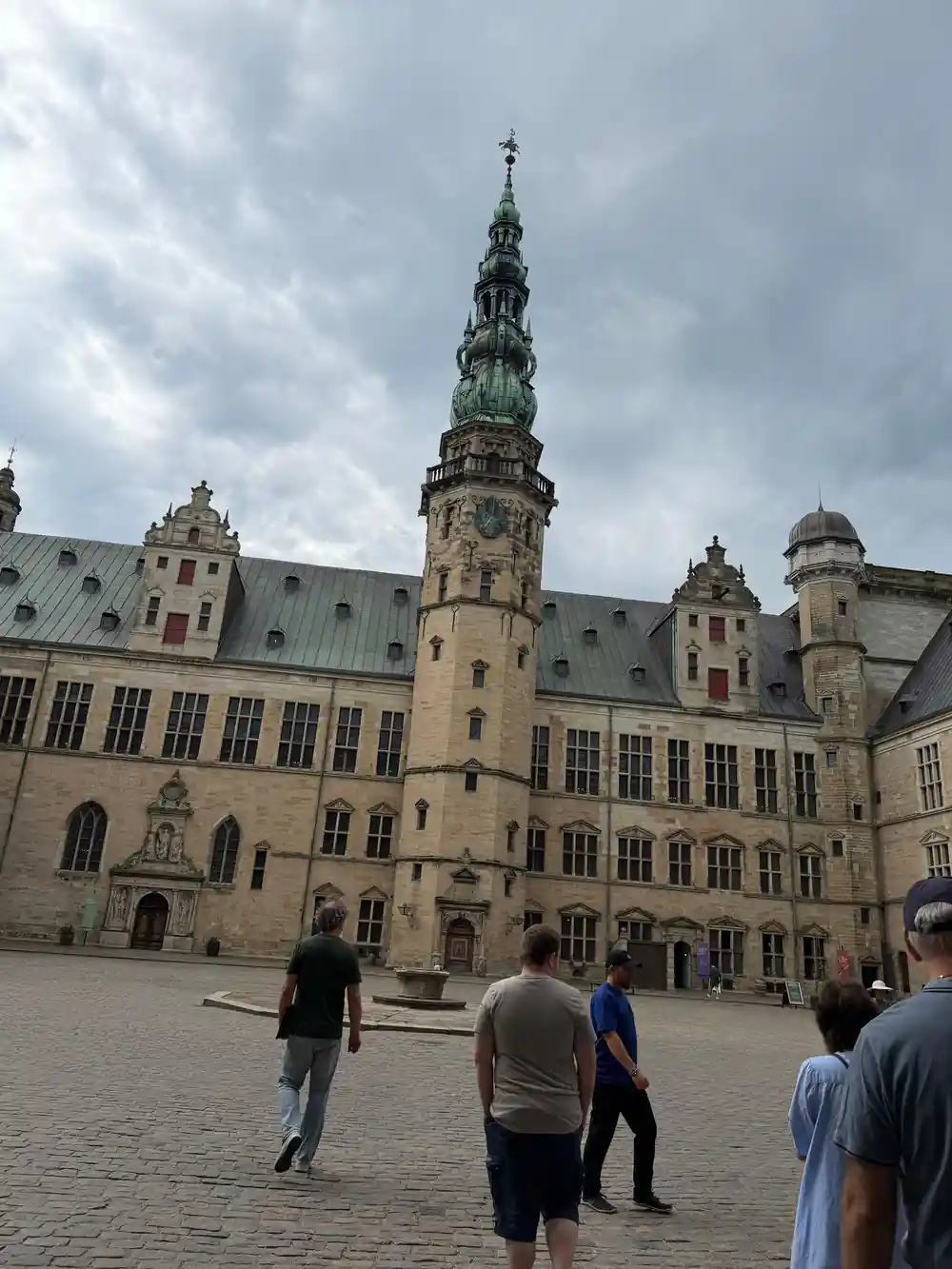
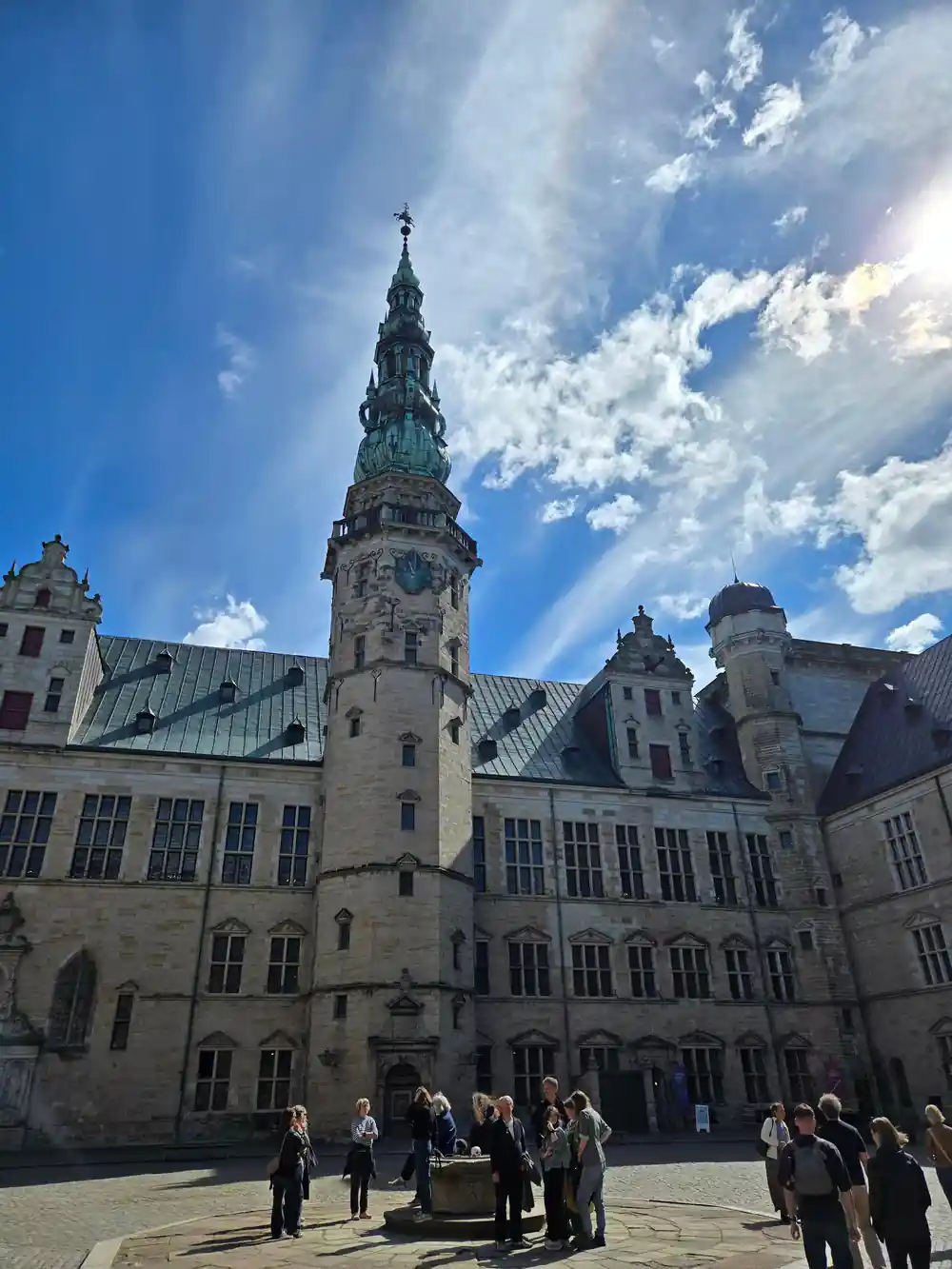
Kronborg Castle stands at a strategically vital point overlooking the Oresund, the narrow stretch of water between Denmark and Sweden.
Which option suits children and slower walkers
Access limits to know
- The operator states the tour is not suitable for wheelchair users or people with mobility impairments
- Strollers and prams are not allowed inside Kronborg and must be parked
- The minibus has no hold, so bring only what you can keep at your feet
- 8.5 hours door to door, from hotel pickup to drop-off
Easier with children
- Under 18 enters all four sites free
- Water is provided on the bus
- Packed food may be eaten in The Old Kitchens at Kronborg
- About two hours self-guided at Frederiksborg, the least rushed stretch
Mobility and Accessibility on This Full-Day Tour
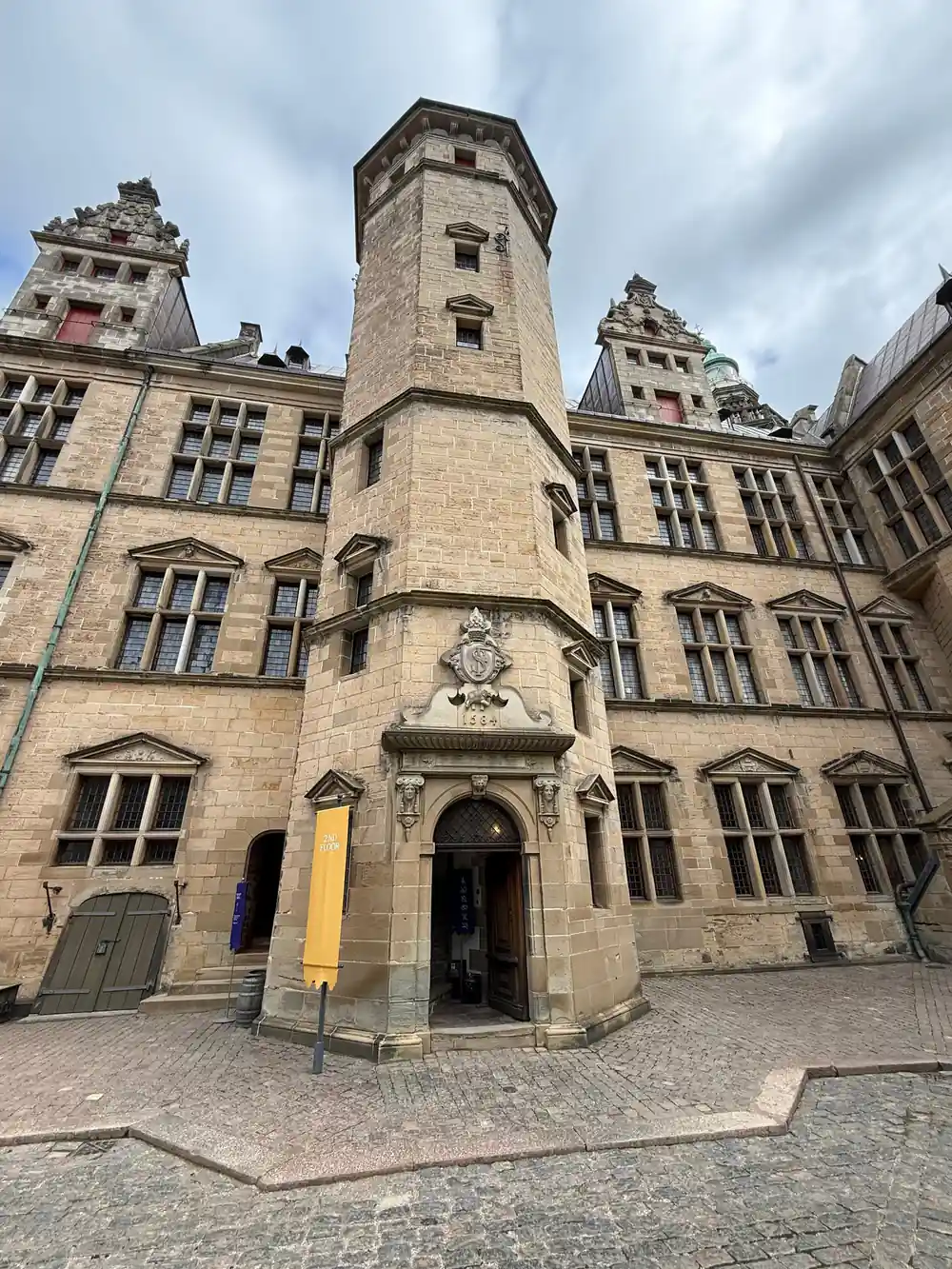
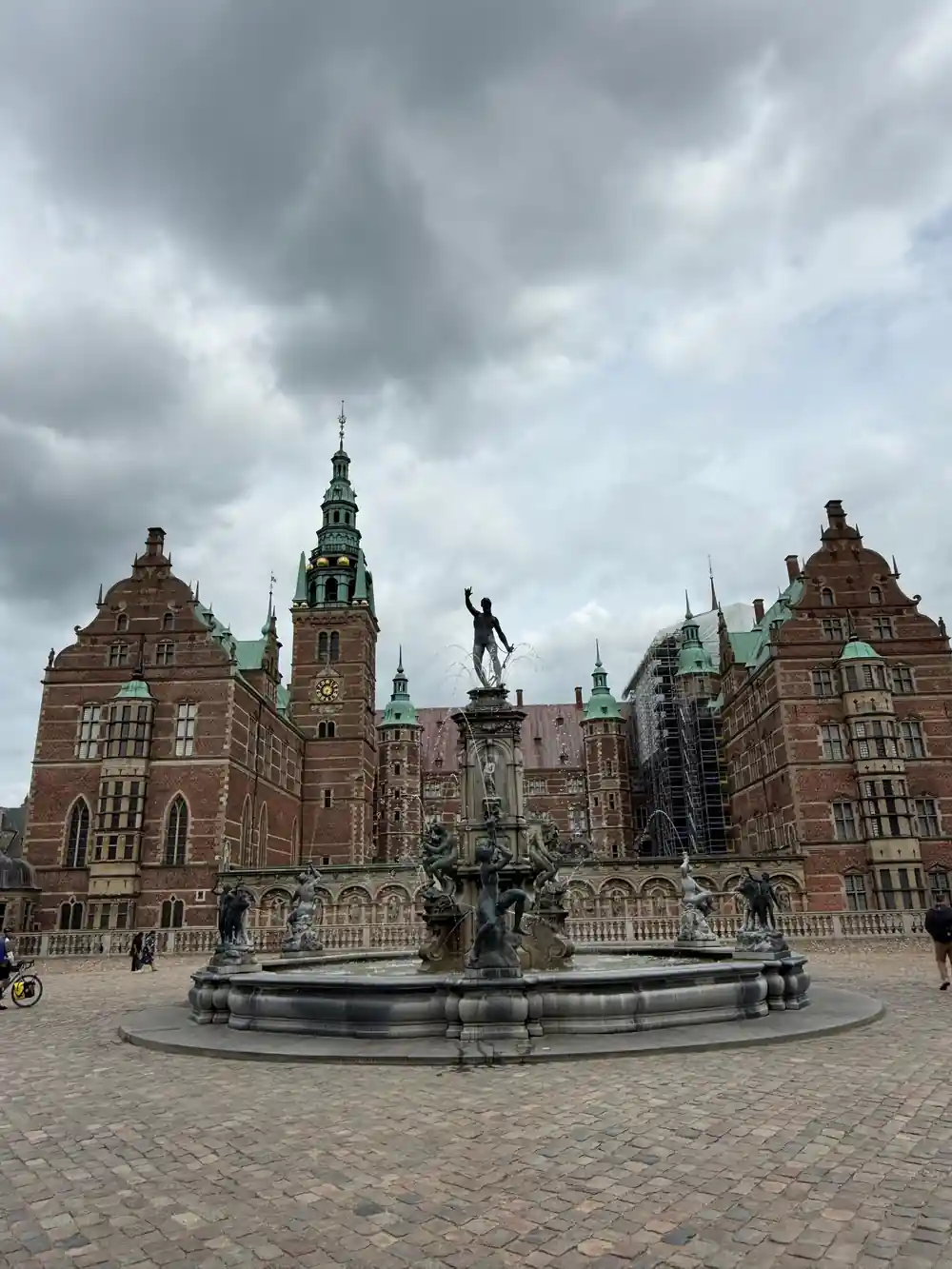
This minibus tour involves considerable walking across uneven and historic terrain, making it challenging for wheelchair users and those with limited mobility. Kronborg Castle, Frederiksborg Palace, and Roskilde Cathedral all feature stairs, cobblestone courtyards, and multi-level interiors typical of 16th and 17th-century royal buildings. Kronborg's ramparts and dungeons require climbing, while Frederiksborg Palace spreads across multiple floors connected by period staircases. The Viking Ship Museum in Roskilde includes ramps for some sections but also requires navigation through exhibition spaces with uneven flooring.
Visitors using mobility aids should know that the minibus itself has steps at the entrance, and the driver cannot provide lifting assistance. Once at each location, distances between the vehicle and building entrances vary, though none exceed a ten-minute walk on relatively flat ground. If you use a wheelchair, contact the operator before booking to confirm whether adapted access is possible at each stop. For those with moderate mobility concerns, rest breaks are built into the itinerary, including a lunch pause where you can sit and recover before continuing.
Stairs and Uneven Surfaces at Each Location
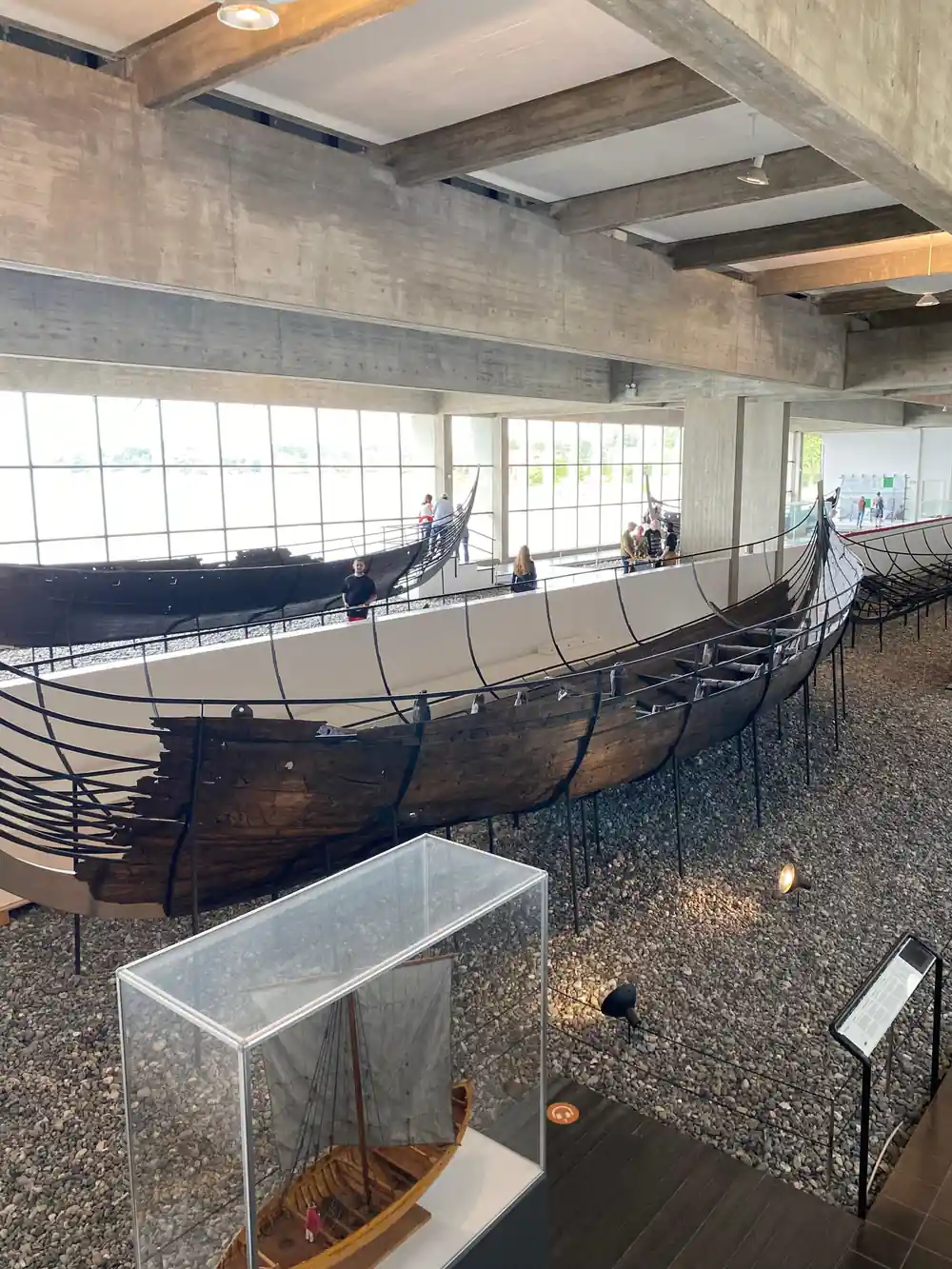
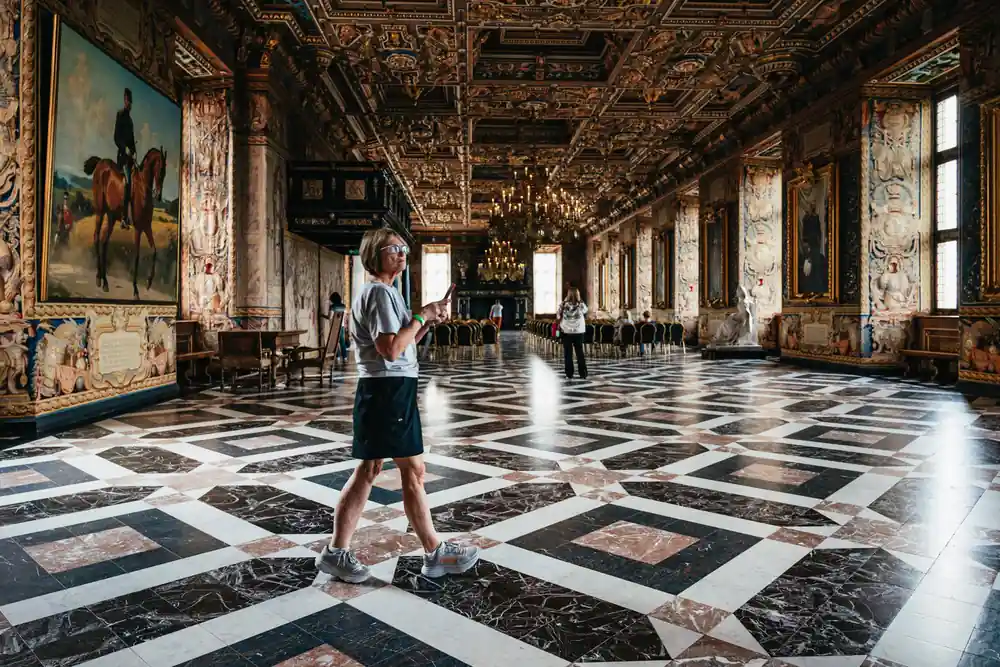
Expect stairs at every major stop on this tour. Roskilde Cathedral has a central nave with a few steps up to the choir, where many of the royal tombs are located. The Viking Ship Museum features a ground-level exhibition hall with some raised platforms and ramps, but navigating the full experience requires standing and walking for extended periods. Frederiksborg Palace is the most stair-intensive stop: the main palace building has three stories connected by grand staircases, and the chapel, banqueting hall, and royal chambers are distributed across these levels.
Kronborg Castle presents perhaps the steepest challenge, with ramparts accessed by external stone stairs and interior passages that descend into the castle's famous dungeons. Cobblestones and uneven historic paving are common throughout all locations. If you have knee problems, hip concerns, or tire easily on stairs, this tour will be physically demanding. The lunch break offers a solid rest period, but the morning and afternoon both involve sustained walking and climbing. Wear comfortable, supportive shoes with good grip, as some surfaces can be slippery, especially in wet weather.
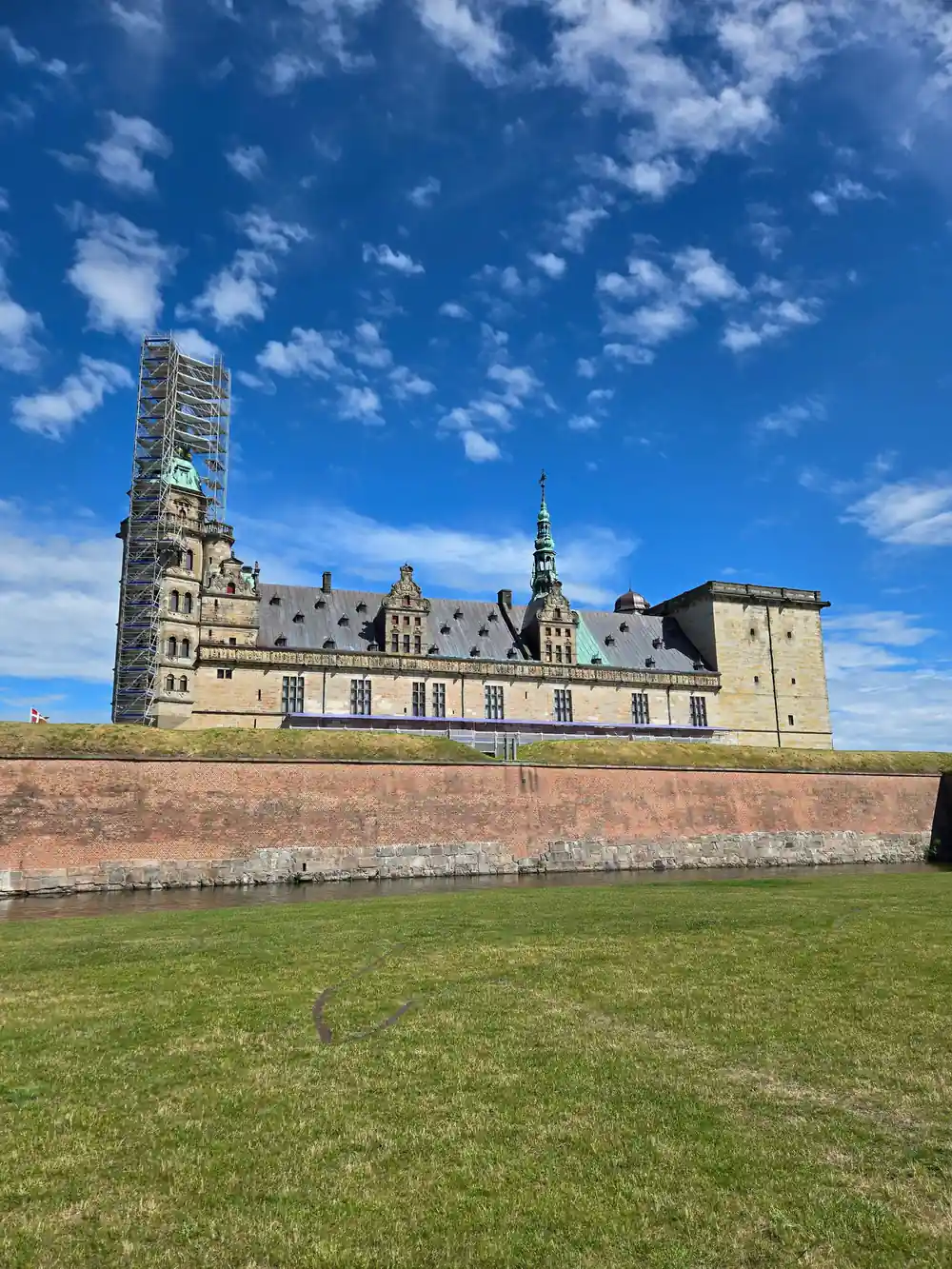
Spiral stone stairs inside Kronborg Castle
Will Children Stay Engaged at Castles and Museums?
Children aged eight and up typically find real castles and Viking history compelling, and this tour delivers both in substantial measure. Kronborg Castle is famous from Shakespeare's Hamlet, a detail that captures older children's imagination, and the fortress's ramparts and dungeons offer genuine exploration opportunities rather than sterile museum displays. Frederiksborg Palace's grand rooms and courtyards provide visual spectacle, and the chapel's ornate details often intrigue younger visitors. The Viking Ship Museum is specifically designed to engage children: actual Viking vessels, maritime artifacts, and hands-on displays about seafaring life hold attention better than purely textual exhibits.
Younger children (under seven) may struggle with the 8.5-hour duration and the amount of standing and walking involved. The itinerary includes a scheduled lunch break, which provides relief and a chance to decompress, but the morning and afternoon sessions are long. Consider your child's attention span and stamina honestly. On minibuses, some children become restless during the 30 to 40-minute drives between locations. If your child is an active learner who enjoys interactive experiences over passive observation, this tour suits them better than a coach-based alternative.
Strollers, Buggies, and Practical Considerations
Strollers are impractical on this tour, and collapsing them frequently is necessary. Frederiksborg Palace and Kronborg Castle have stairs that prevent stroller access to upper levels, and cobblestone courtyards make wheels catch and jolts common. The Viking Ship Museum has some accessible ground-level areas, but interior exhibition spaces are tight, and Roskilde Cathedral's narrow aisles do not accommodate strollers comfortably. The minibus has limited storage space, and folded strollers must fit in the luggage area alongside other passengers' belongings.
If you are traveling with an infant or toddler, you will spend much of the tour carrying your child or using a baby carrier, which adds physical demand to an already strenuous day. Nursing or bottle-feeding is possible during the lunch break and at cafes near the sites, but the lack of dedicated family facilities is typical of historic castles. If you have a very young child, consider whether a shorter, less mobility-intensive tour might suit your family better. Older children who can walk independently will find the tour far more manageable.
200
Expect roughly 200 stairs and uneven castle floors across the full day of sightseeing.
Pets and Animals on the Minibus
The tour operator does not mention pets or service animals in the tour details, which means you must contact them directly before booking if you plan to bring a dog or other animal. Historic castles in Denmark typically have strict no-pet policies for preservation and safety reasons, so even if the minibus permits your dog, Kronborg and Frederiksborg Palace almost certainly will not allow entry. Some outdoor areas, such as castle grounds and courtyards, may permit leashed dogs, but you would need to confirm this in advance.
If you rely on a certified service animal for mobility assistance or medical alerting, the operator should be able to accommodate this, but you must disclose this when booking rather than arriving with an unannounced animal. Do not assume service animals have the same access rights in Denmark as they do in other countries. Calling ahead to discuss your specific situation is the only way to ensure a smooth experience and avoid disappointment at the first location.
Rest Breaks and Scheduled Pauses During the Day
The itinerary includes one scheduled lunch break, which is your main opportunity to rest and eat. The break typically lasts 60 to 90 minutes, giving you time to sit down, recover from morning walking and climbing, and refuel before afternoon activities. Beyond this break, there are no formal rest stops built into the schedule, though the minibus journeys between locations provide passive sitting time. If you have limited stamina, joint pain, or a condition that requires frequent rest, discuss this with the driver or guide at the start of the day; they may be able to suggest quieter spots at each location where you can sit and recover.
The tour operates over 8.5 hours total, with morning activities typically lasting three to four hours before lunch. Afternoon activities after lunch run another three to four hours. If you tire easily, wear your most comfortable footwear, bring extra water (bottles are provided on the minibus), and use the lunch break strategically to rest your feet and reduce exertion before the afternoon sites. Standing and walking are unavoidable at every location, so realistic self-assessment of your stamina is essential before booking.
Motion Sickness on the Minibus and Long Drives
If you are prone to car sickness, the minibus format of this tour presents a genuine risk. Drives between Copenhagen and Roskilde (roughly 35 kilometers) take 40 to 50 minutes depending on traffic, and the road is a mix of highway and local routes with curves and stops. The minibus sits lower and moves more noticeably than a large coach, which can trigger nausea in susceptible passengers. Sitting in the front of the vehicle or near windows often helps, as does focusing on the landscape ahead rather than documents or phones.
Water and WiFi are provided on the minibus, but neither prevents or treats motion sickness. If you know you are sensitive to travel, take motion-sickness medication before departure, eat a light breakfast, and avoid heavy meals immediately before traveling. Ask the driver at the start of the day whether he can position you in a seat that suits your needs. The multiple stops and activity breaks help interrupt the driving, so motion sickness is not continuous, but the cumulative effect of four to five hours of minibus time across the day is something to consider honestly if you have a history of car sickness on coach tours.
What a family pays in admissions
Every one of the four sites admits under 18s free.[1][2][3][4]
Two adults and two children, compared
Every figure is a "from" price. On the guided day a child occupies a seat and pays the adult rate; at the gate every child under 18 is free.
Practical limits to know
The day, for families
Hotel pickup
Collected from one of 79 points, so no early train with children in tow.
Roskilde, cathedral and ships
Cathedral and Viking ships within a short walk of each other.
Frederiksborg
About two hours self-guided, the easiest stretch to take at your own speed.
Kronborg
Ramparts, courtyard and the casemates below, all on uneven stone.
Back to the hotel
Dropped where you were collected, at the end of an 8.5 hour day.
Ready to book your royal castle day?
from US$213Reserve now & pay later