The essentials
- Visit May through September for the warmest weather and longest daylight hours. Both Frederiksborg and Kronborg stay open with extended hours during these months.
- May brings mild temperatures ideal for castle courtyards and rampart walks. October weather turns cooler, making the interior stone rooms feel colder. Layers are essential year-round.
- Bring a jacket or sweater for cold stone castle interiors, even in summer. The thick walls keep rooms significantly cooler than outdoor temperatures throughout all seasons.
- Winter and early spring offer fewer crowds inside the palaces. Kronborg Castle opening hours reduce in low season, so confirm times before your visit during these quieter months.
- Late spring and early autumn balance good weather with manageable crowds. Frederiksborg opening hours remain consistent, and you'll have enough daylight for the full 8.5-hour tour.
| Summer, June to August | Shoulder, May and September | Winter, November to March | |
|---|---|---|---|
| Daylight | About 17 hours at midsummer | 13 to 15 hours | 7 to 9 hours |
| Daily high | 21 to 22 C | 12 to 17 C | 4 to 7 C |
| Rain a month | 55 to 67 mm | 40 to 55 mm | 32 to 57 mm |
| Kronborg hours | Every day, 10:00 to 17:00 | Every day, 10:00 to 17:00 | Closed Mondays, shorter days |
| What it suits | Ramparts and the long evening | Light without the crowding | Interiors, which are the point |
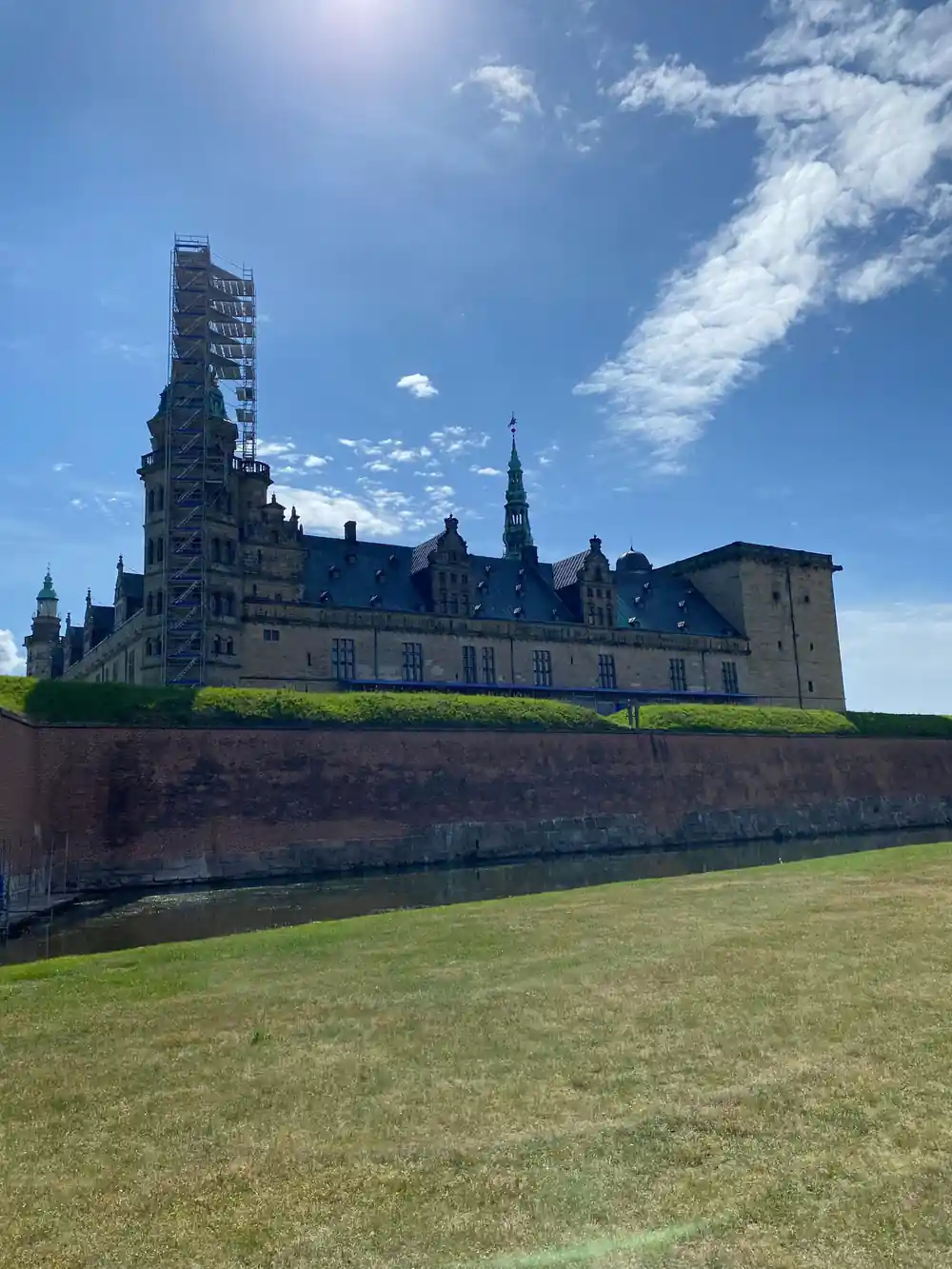
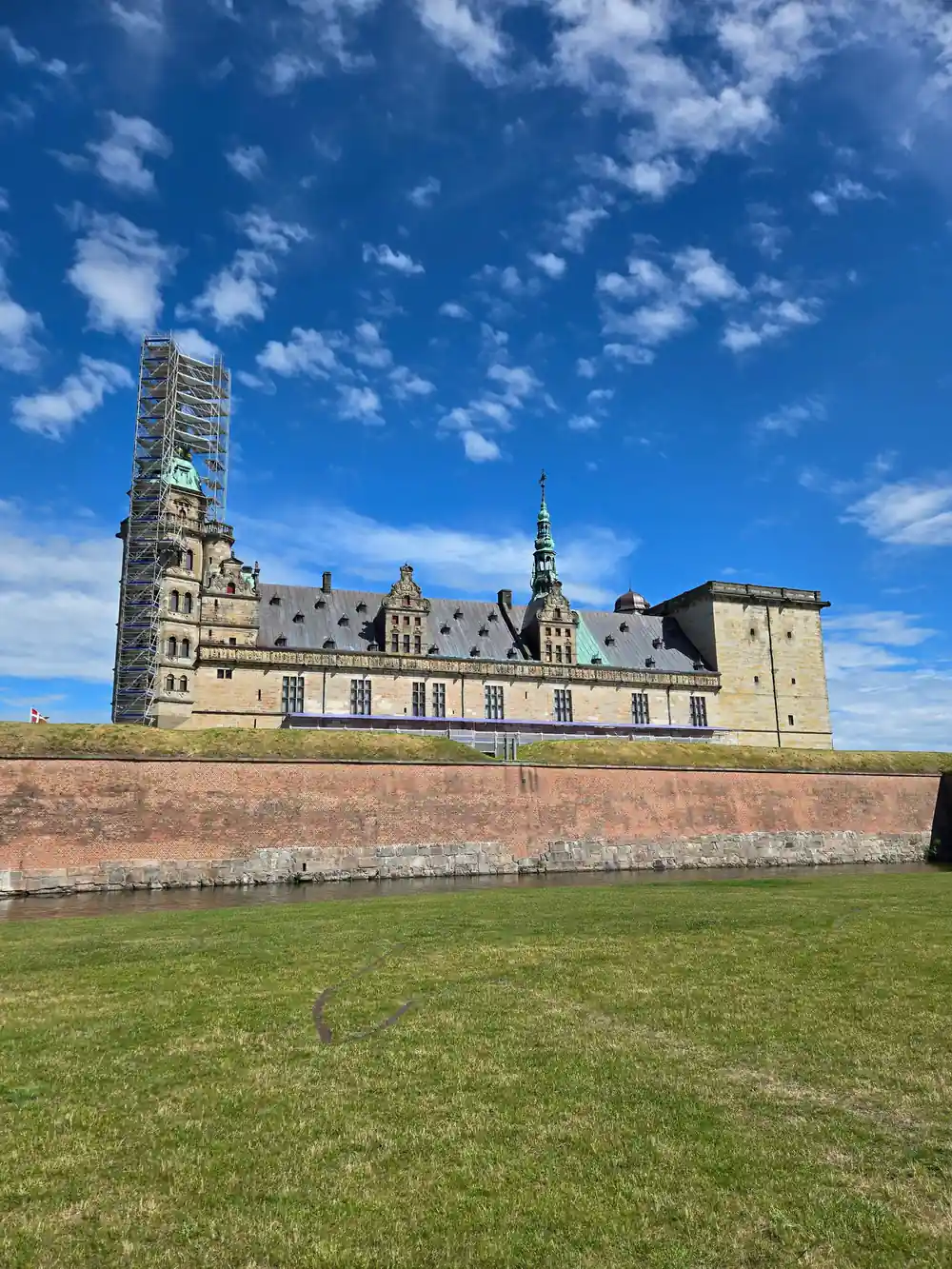
Kronborg Castle stands at a strategically vital point overlooking the Oresund, the narrow stretch of water between Denmark and Sweden.
Which season suits the castle day
What the season changes
- Daylight runs from under 7 hours in December to about 17 in June
- Daily highs range from 4 C in January to 22 C in July
- Rainfall is steady all year, 32 to 67 mm a month
- Kronborg closes Mondays outside the 28 March to 31 October season
What it does not change
- Admission prices, apart from the Viking Ship Museum
- The guided day runs all year at the same price
- Every castle interior on this route is indoors
- Free cancellation up to 24 hours before
The maritime climate of the Øresund coast
The Sound between Denmark and Sweden creates a temperate maritime climate that shapes every season on your castle tour. Winter temperatures hover around freezing (0 - 3°C), while summer peaks at 17 - 20°C. Rain falls year-round but is heaviest in autumn and lightest in spring. This coastal position means weather can shift quickly, so layers and waterproof jackets work better than single heavy coats. The 8.5-hour itinerary takes you from Roskilde Cathedral through Frederiksborg Palace to Kronborg Castle, each site exposed to open air during courtyard and rampart walks, making weather preparation essential for comfort.
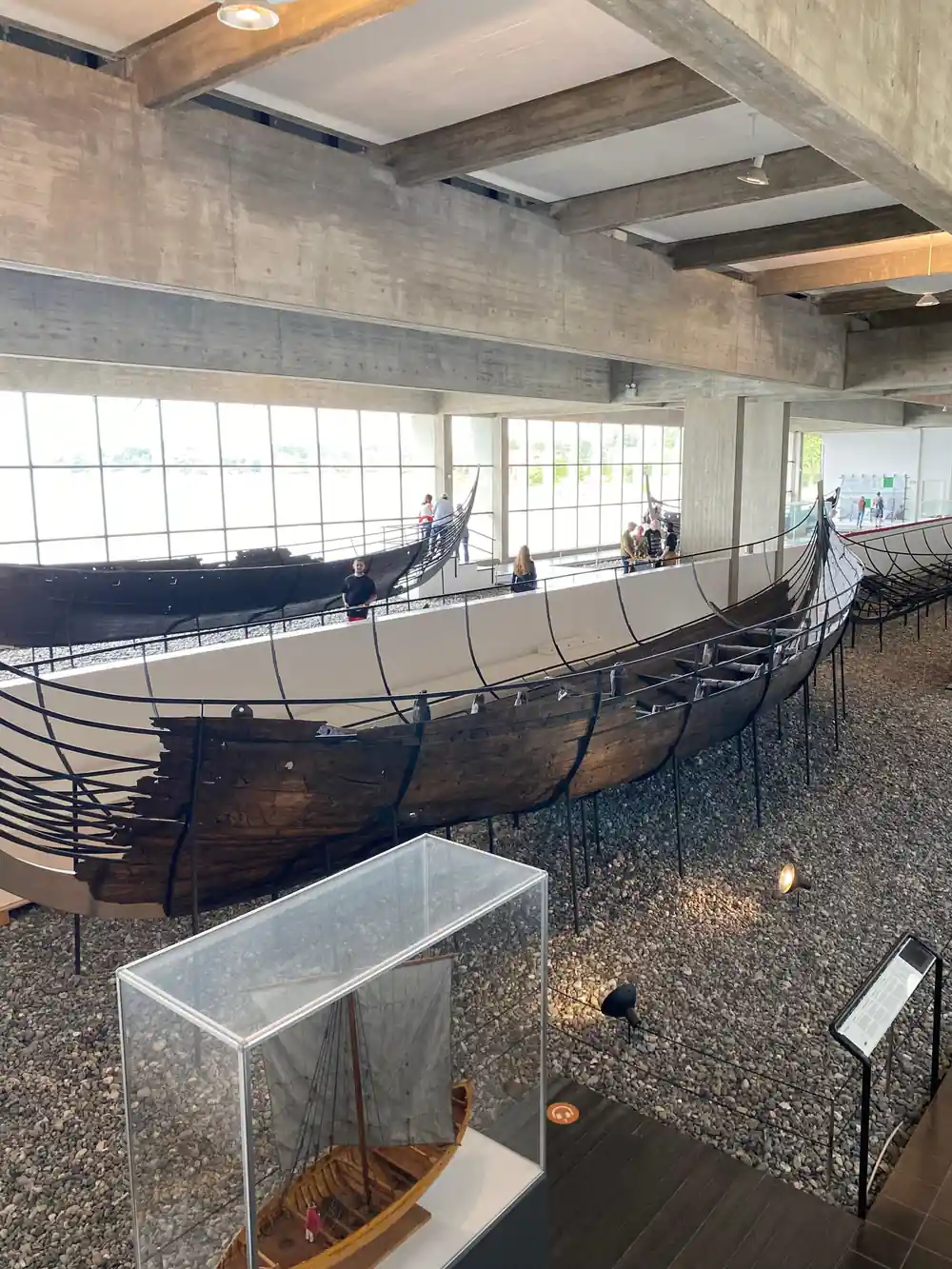
Wind off the water accelerates cooling, so temperatures feel colder than the thermometer suggests, especially on castle ramparts. Plan accordingly: waterproof trousers and sturdy shoes protect you during the Viking Ship Museum visit and outdoor sections. The minibus provides shelter between stops, and you'll have time indoors at each castle, but expect at least two hours of exterior exposure during the full day. Check the forecast the week before your tour; sudden rain rarely ruins the experience but does affect photography and rampart visibility.
Summer in Copenhagen and long daylight for castle tours
Copenhagen in July offers the year's longest days, with sunset after 21:00, giving you maximum time at each castle without rushing. Summer temperatures of 17 - 20°C are mild but require layers, as stone interiors stay cool even when outside air warms. This season draws the highest visitor numbers, so castle interiors become crowded; early morning pickups (one of 79 options across Copenhagen) help you reach Frederiksborg and Kronborg before mid-morning rushes. July and August also coincide with the summer Hamlet season, when open-air performances occur at Kronborg Castle, though these events run independently of the standard tour schedule.
The extended daylight means you can photograph castle facades and courtyards in golden evening light, and rampart views across the Sound stay clear well into the evening. However, intense summer sun makes stone passageways feel warmer than outside air, so water (included with the tour) becomes essential. Tourist numbers peak in July, making the quieter shoulder months of June and September better choices if you prefer smaller groups moving through castle rooms.
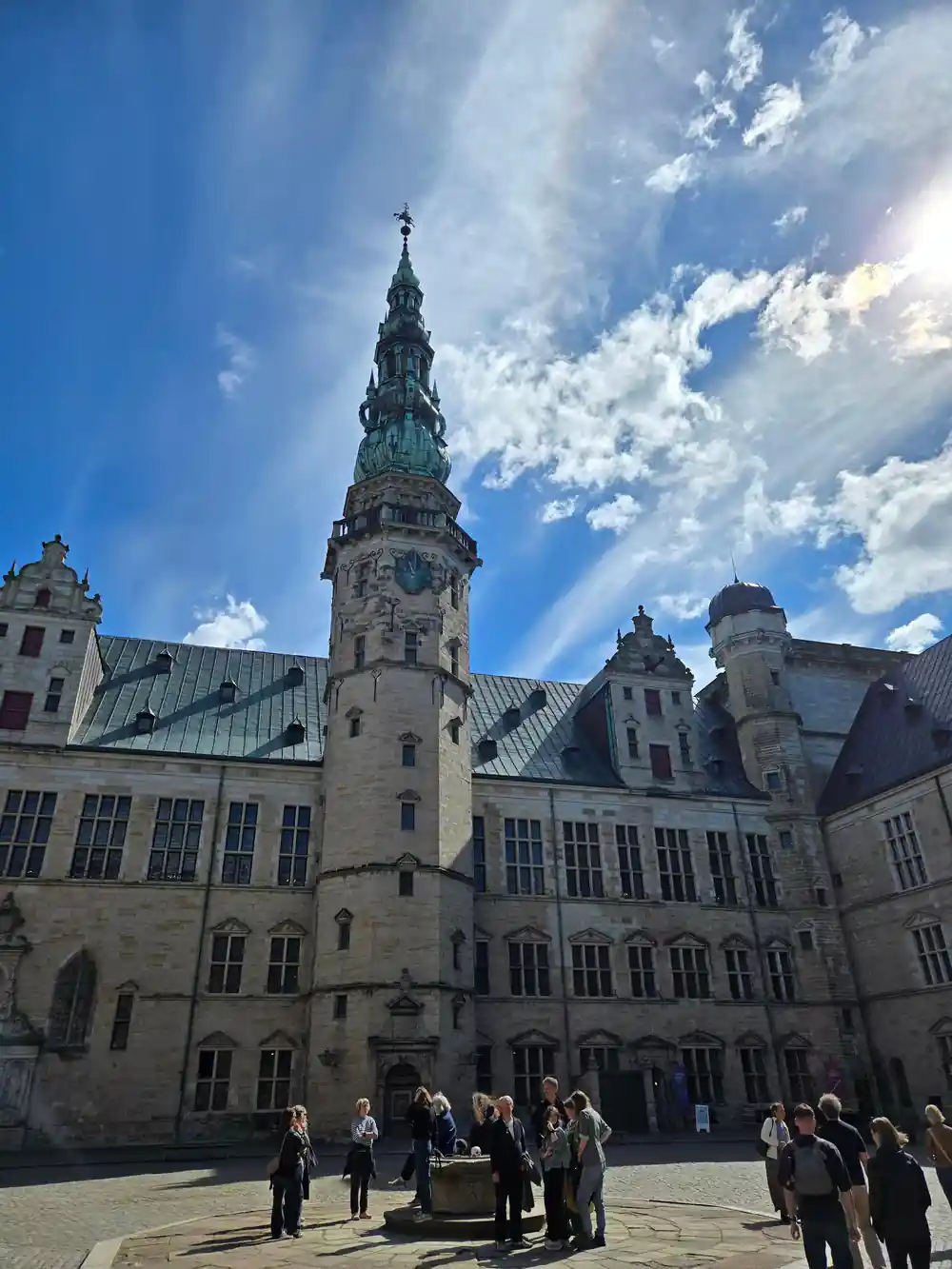
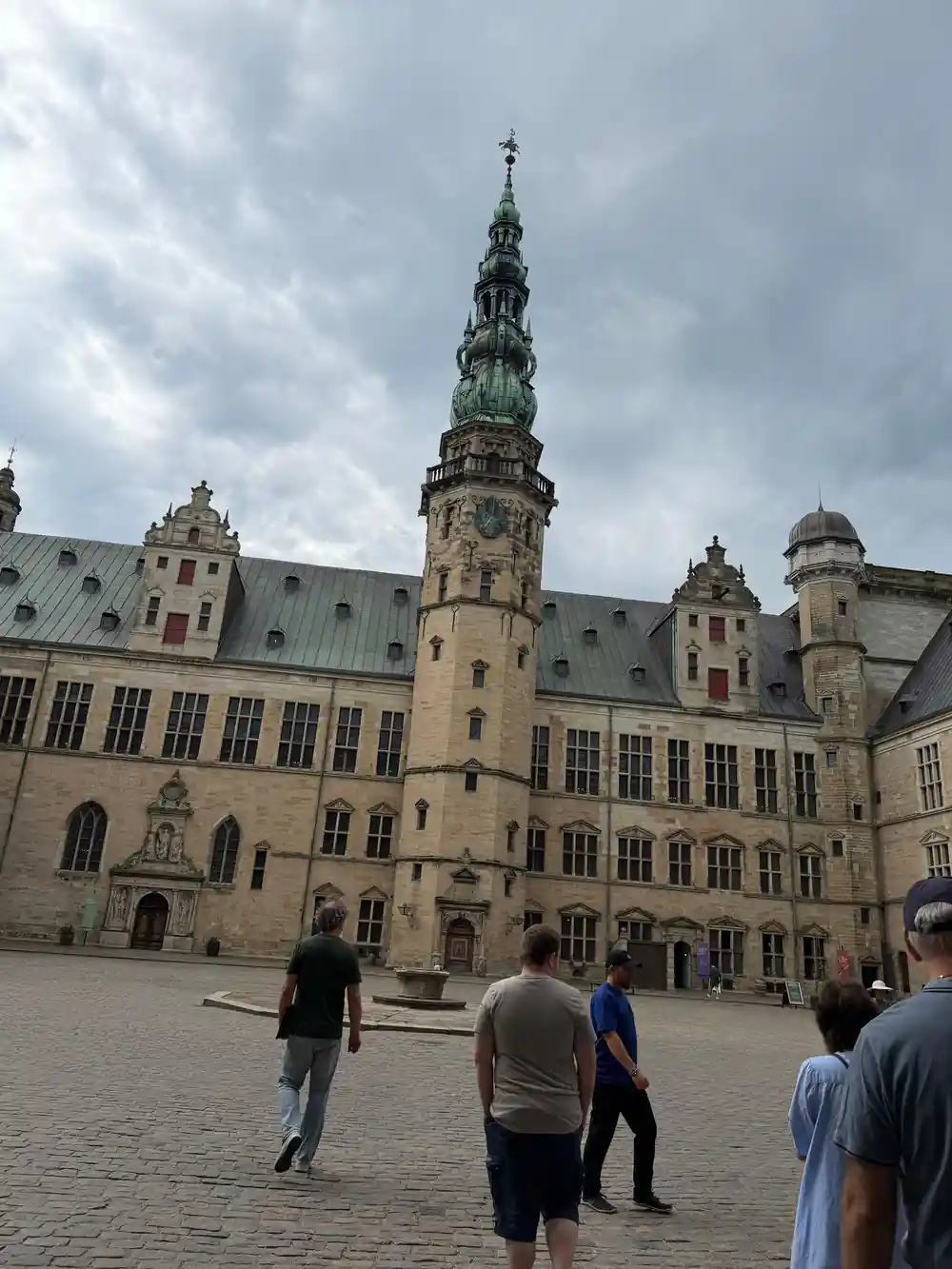
Winter light catches Kronborg's ramparts as clouds roll across the sound
Winter daylight and how it shapes your castle day
Kronborg castle in winter sits under grey skies and receives daylight for only about 7 hours between sunrise (around 08:30) and sunset (around 15:40). This compressed window affects pacing: a full-day tour must leave Copenhagen early to maximize castle time before dusk. Winter temperatures of 0 - 3°C make the tour physically demanding if you're not prepared; thermal layers, insulated gloves, and a thick coat become non-negotiable, especially on exposed ramparts where wind off the Sound cuts through standard jackets. Frederiksborg castle winter visits feel atmospheric but cold, with stone corridors holding chill even in midday.
The 8.5-hour duration means you'll finish by late afternoon, losing the option for sunset photography or lingering in courtyards. However, this limitation has an advantage: fewer tourists venture outdoors in freezing conditions, so castle interiors are quieter and less crowded. Roskilde Cathedral and the Viking Ship Museum offer warm indoor time between outdoor exposure. Schedule your 79 available drop-off locations for late afternoon, as evening return trips arrive after dark. Consider bringing hand warmers and extra water, since the bus WiFi and water supply won't warm you between stops.
The Christmas market and December's festive atmosphere
Copenhagen at Christmas time transforms Kronborg castle market into a seasonal focal point, though market dates and hours vary annually. December typically sees the Christmas market operational weekends from late November through early December, with some years extending through mid-December. The market operates during daylight hours only, so confirm timing before booking your tour, as the 8.5-hour itinerary has limited flexibility for market browsing given the short winter daylight window. If your tour date coincides with market operation, you'll encounter crowds around the castle gates and stalls, making the castle interior less crowded than summer but external areas more congested.
Temperatures in December average 0 - 3°C with frequent rain and occasional snow, requiring full winter gear including waterproof outer layers. The market adds festive decoration and mulled wine vendors around courtyards, though the tour itself focuses on castle architecture and history rather than market activities. Plan your visit timing carefully: early December market weekends offer both castle exploration and seasonal atmosphere, while late December usually closes the market and offers the quietest castle interiors of any season.
7 h
Daylight on the Sound swings from under seven hours in December to about seventeen in June.
Spring and autumn: quieter interiors and stable weather
May through June and September through October offer the best balance of weather stability and smaller crowds. Spring temperatures climb from 8 - 15°C through this period, while autumn drops from 15 - 12°C; both seasons have roughly 12 - 14 hours of daylight, giving ample time at each castle without summer's overwhelming crowds. Frederiksborg castle winter may feel oppressive, but spring brings flowering gardens visible from palace windows, while autumn adds golden foliage on castle grounds. Rain frequency increases in autumn, but spring remains relatively dry, making May and June ideal for castle photography and rampart exploration.
These shoulder seasons significantly reduce queues inside castle rooms, allowing you to move through at your own pace and absorb details often missed during summer rushes. The driver and guide experience smaller group dynamics, potentially offering more personalized commentary. Bring layers for both seasons: spring can be crisp in morning shade, and autumn rain makes stone floors slippery. WiFi on the minibus and included water become practical necessities during longer outdoor periods when temperatures dip.
How weather affects courtyard and rampart views
Clear skies reveal unobstructed views across the Sound from Kronborg ramparts toward Sweden, a highlight worth planning around. Overcast days, common in autumn and winter, obscure distant horizons and reduce photography quality, though castle stone often looks more dramatic under grey light. Heavy rain closes the rampart walk at Kronborg entirely for safety reasons; while this scenario is rare, it remains a possibility in autumn months, affecting your tour experience. Spring and summer rains typically pass quickly, lasting hours rather than days, so weather forecasts from the morning of your tour matter more than seasonal averages.
Wind magnifies cold temperatures on exposed ramparts; 0°C with a 20 km/h coastal breeze feels like minus 5°C or colder. Frederiksborg castle courtyard sits in a sheltered valley, offering protection from Sound winds but remaining cool in shade. The full 8.5-hour itinerary includes significant outdoor time at Roskilde Cathedral and across castle grounds, so poor visibility and wind create cumulative discomfort. Choose your season partly around weather patterns: spring offers the most consistently clear skies, while winter and autumn bring frequent grey conditions that, while atmospheric, limit photographic and visual enjoyment.
Opening hours and seasonal access for castle interiors
Frederiksborg castle winter hours contract slightly, opening at 10:00 all year but closing at 15:00 on winter weekdays rather than 17:00. Kronborg castle maintains fairly consistent year-round hours but closes earlier in winter (16:00 - 17:00) compared to summer (18:00 - 19:00), directly impacting available tour time in the final location. Roskilde Cathedral and the Viking Ship Museum operate with standard hours throughout winter but see significantly reduced visitor numbers, making these stops more pleasant during cold months. Your 79 pickup and drop-off location options work the same regardless of season, but winter tours must plan returns earlier due to castle closures.
Quiet low-season interiors, particularly November through February, mean you'll encounter only handfuls of other visitors inside castle rooms, allowing unrushed exploration of furniture, artwork, and architectural details. Summer crowds can number in the hundreds per hour at peak times, making spaces feel cramped and rushed. The trade-off is weather comfort: January offers the quietest castle interiors but the most challenging conditions underfoot and the shortest daylight for exterior photography. Book late autumn or early spring if you want manageable crowds without severe cold.
Daily high by month, Copenhagen
NOAA GHCN monthly normals, 1991 to 2020, from the station 20.8 km away.[1]
What the season changes about the price
Every figure is a "from" price. Only the Viking Ship Museum changes its admission by season; children under 18 are free at all four sites.
When the castles are open
A year on the Sound
Winter, to March
Short days and cold wind off the water. Kronborg closes on Mondays and shuts earlier.
Spring, April and May
Daylight climbs past 13 hours and the castles return to everyday opening.
Summer, June to August
The warmest air and light until late, and the busiest courtyards of the year.
Autumn, September
Still 13 hours of light, noticeably fewer people, interiors unchanged.
Late autumn, October
The Viking Ship Museum moves to winter hours on 19 October.
Pick your season, we'll handle the rest
from US$213Reserve now & pay later