The essentials
- Hamlet first graced Kronborg Castle's courtyard stage in the 1600s, launching a theatrical tradition that continues today across four centuries of performances.
- Each summer, HamletScenen brings Shakespeare's Danish prince back to life with a dedicated season of productions staged in the castle's historic courtyard venue.
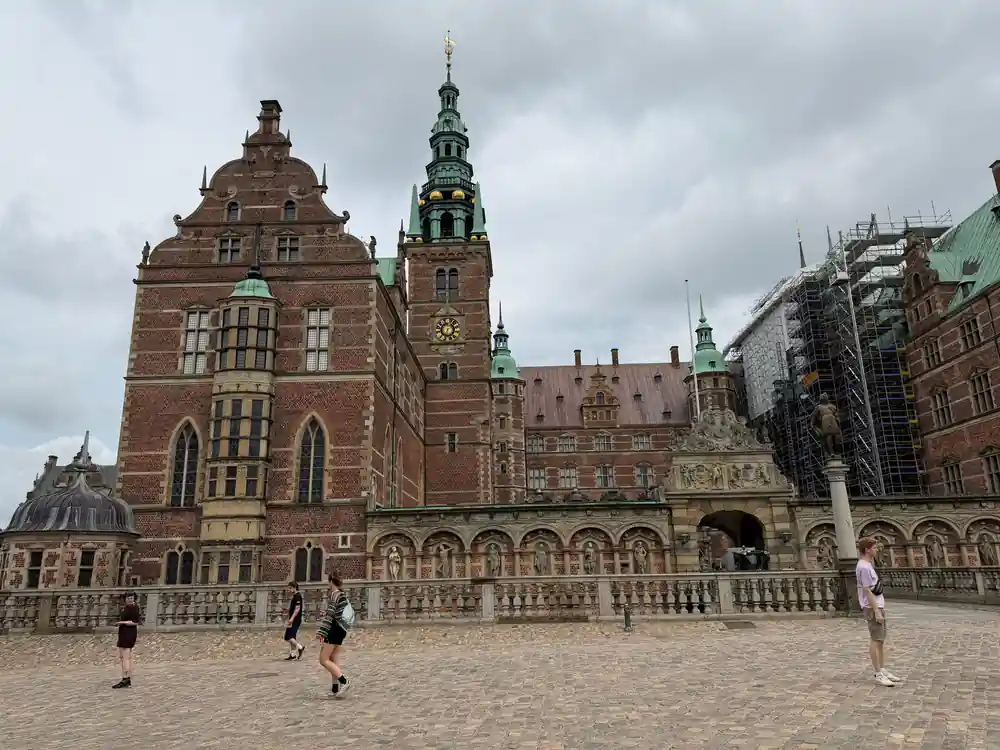
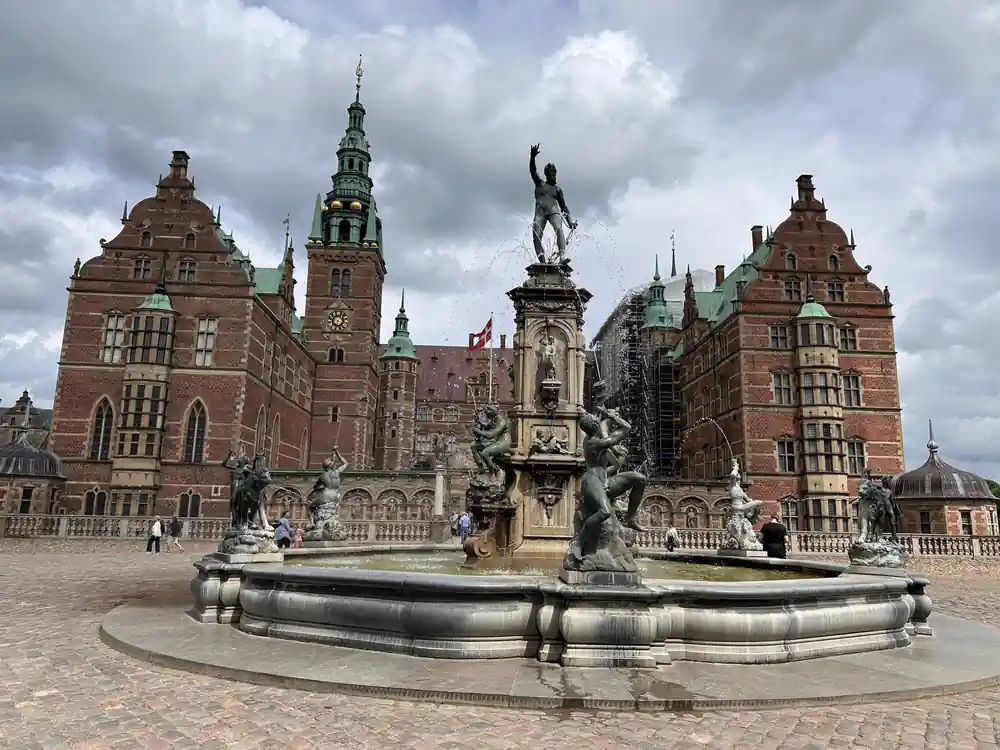
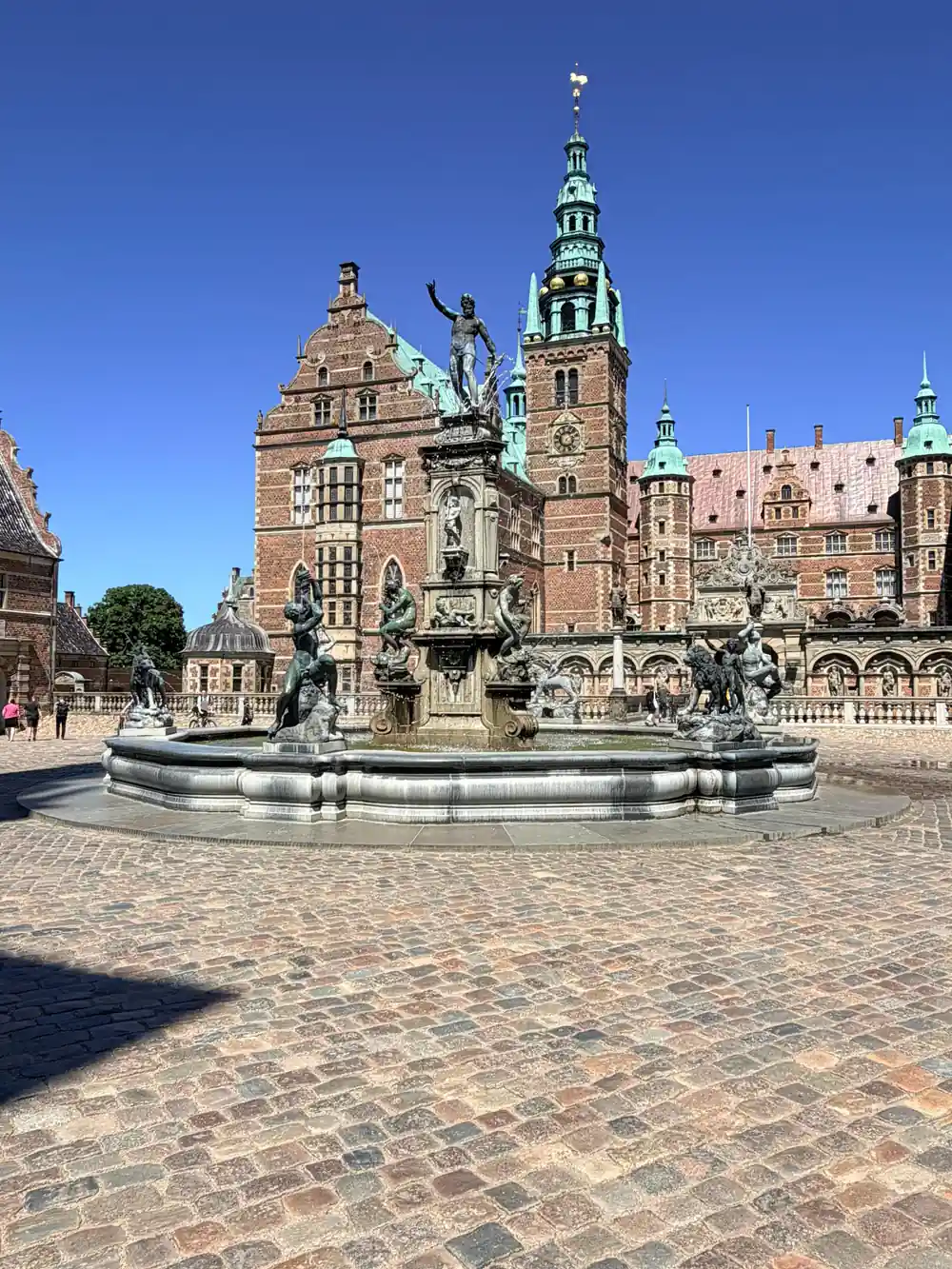
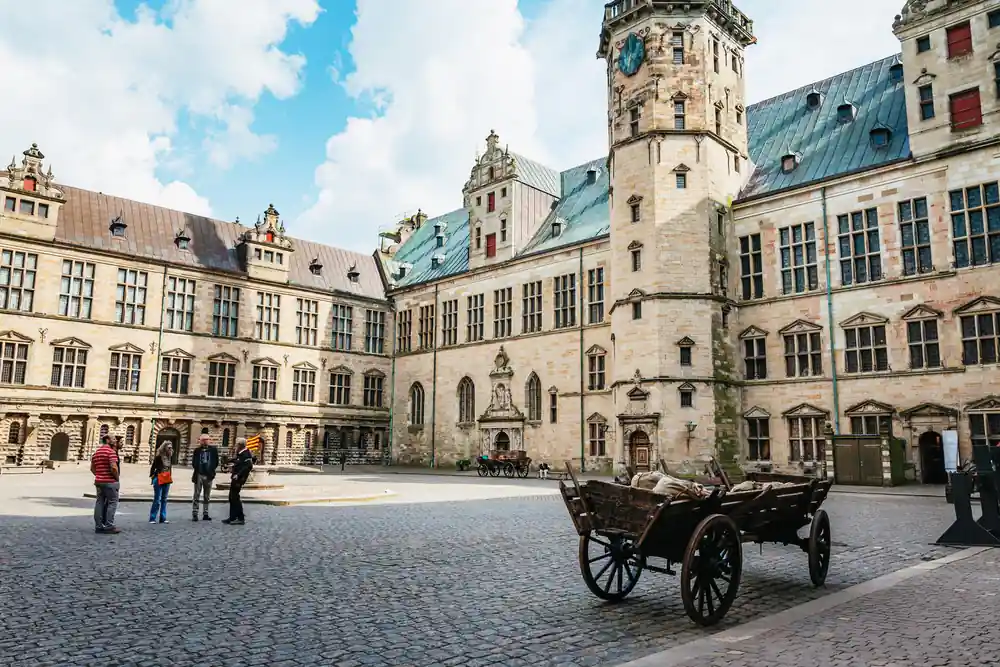
- Performances unfold in Kronborg Castle's atmospheric courtyard, where the fortress walls create an unforgettable backdrop for theatrical productions and special events.
- Beyond castle tours, visitors may encounter rehearsals, stage sets being prepared, or theatrical activity depending on the season and performance schedule at the venue.
- Performing Hamlet at Kronborg Castle represents the pinnacle for actors worldwide, who view a role on this legendary stage as a career milestone and artistic pilgrimage.
- Top choice Four sites in one day from US$213 Guided at KronborgYesTime you controlFixed 8.5 hour scheduleEvening performanceNo, the day ends earlier Check availability
- Easy-pace castles day from US$154 Guided at KronborgYesTime you controlFixed, slower pacedEvening performanceNo See this tour
- Kronborg entry ticket from US$23 Guided at KronborgNoTime you controlAll day, your ownEvening performanceA day ticket, so yes See this tour
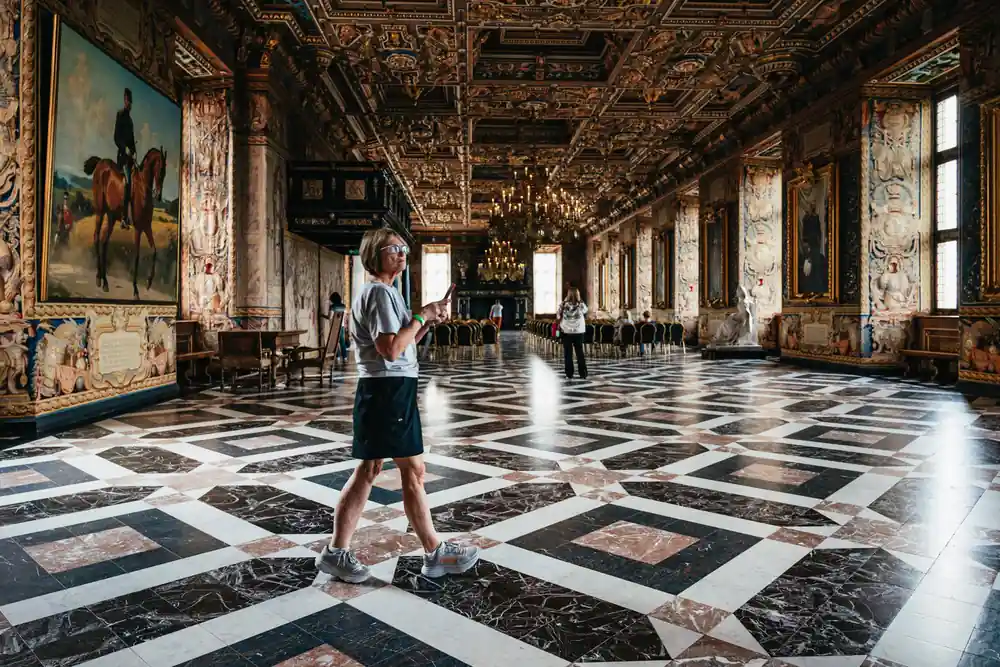
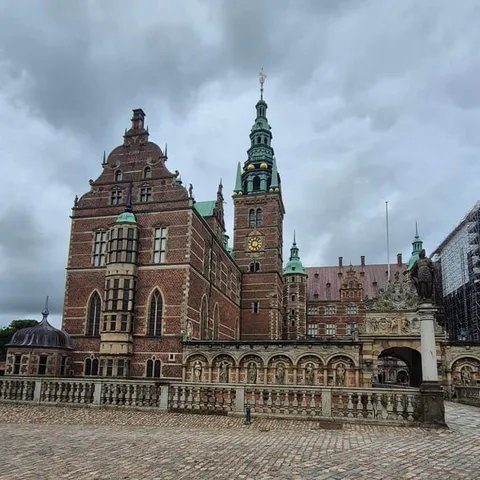
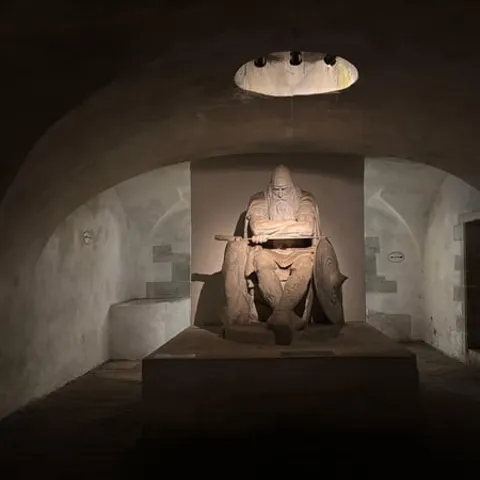
Det var her pa Kronborg, at verdens aeldste Shakespeare-teatertradition tog form i 1816, da soldaterne for forste gang opforte Hamlet.
Seeing the castle the plays are staged in
At the castle
- Adult admission 150 DKK, or 135 DKK booked online
- Open every day 10:00 to 17:00 from 28 March to 31 October
- Both guided tours include Kronborg with a live guide
- Under 18 enters free
About the tradition
- The world's oldest Shakespeare theatre tradition, from 1816
- Begun by soldiers of the Kronborg garrison
- Carried on by HamletScenen, established 2008
- Staged in the castle courtyard itself
Four Centuries of Theatre in a Royal Courtyard
Kronborg Castle's courtyard has hosted theatrical performances for over 400 years, making it one of Europe's most historically significant open-air stages. The fortress, built in the 1570s on the Danish Sound, was designed as a symbol of power and culture. By the early 1600s, actors and musicians were already performing in its walls, transforming the castle into a venue where art and politics intersected. The courtyard's stone walls and commanding views created an intimate yet grand setting, drawing performers from across Scandinavia and beyond.
The castle's connection to theatre deepened through the centuries as Denmark's monarchy embraced the arts. Royal courts across Europe were staging elaborate productions, and Kronborg became a natural stage for ambitious works. The courtyard's unique acoustics and architectural frame made it ideal for both intimate scenes and grand spectacles. Today, visitors on a Kronborg Hamlet tour can stand in the same space where centuries of dramatic tradition began, connecting directly to the physical history of European theatre.
When Hamlet First Took the Stage at Elsinore
The earliest recorded performance of Hamlet at Kronborg took place in 1816, when the castle had already been a theatrical landmark for two centuries. However, the play's connection to the castle runs deeper: Shakespeare himself may have known of Kronborg through English merchants and sailors who frequented the Sound. The Danish prince in the tragedy was loosely inspired by a historical figure from Danish legend, making Kronborg the natural spiritual home for the work. When professional theatre companies finally brought the text to the courtyard, they were completing a circle that linked the real fortress, the fictional prince, and Shakespeare's imagination.
The 1816 production established a tradition that has never been broken. Throughout the 19th and 20th centuries, Kronborg became the destination for actors and directors seeking to stage the play in its most authentic setting. The courtyard offered what no theatre building could: the actual walls that inspired the story, the castle where the Danish prince's tragedy supposedly unfolded. This physical authenticity drew increasingly renowned performers, transforming Kronborg from a historical curiosity into a pilgrimage site for Shakespearean theatre.
400
Over 400 years of performances have turned Kronborg's courtyard into Shakespeare's most storied stage.
Legendary Actors and the Elsinore Tradition
The roll-call of actors who have played Hamlet at Kronborg reads like a history of Scandinavian and European theatre. Nineteenth-century Danish actors established the tradition as a marker of artistic achievement, while international stars began arriving in the 20th century. The role became so associated with the castle that refusing a Kronborg engagement was almost unthinkable for serious performers in the Nordic region. Each generation brought its own interpretation to the prince's anguish, but all were shaped by the courtyard's particular atmosphere and the weight of preceding performances.
What distinguishes these performances is the mutual influence between actor and location. The castle's scale, the weather, the audience's proximity to the stage, and the knowledge of 400 years of theatre all shape how an actor approaches the role. The best performances at Kronborg seem to emerge from a dialogue between the performer's skill and the courtyard's history. This is partly why the venue attracts serious artists rather than commercial touring productions: the location demands artistic maturity and rewards depth.
HamletScenen and the Summer Festival
HamletScenen, established as a dedicated festival, transformed Kronborg's theatrical tradition into a structured annual event. The summer season typically runs for several weeks, bringing multiple productions and performances to the castle. The festival operates as both a celebration of Shakespeare and a showcase for contemporary Scandinavian theatre, with productions in Danish, Swedish, Norwegian, and English rotating through the schedule. The courtyard becomes a working stage with professional lighting, sound, and seating arranged to suit each production's needs while preserving the castle's architectural integrity.
The summer season extends beyond Hamlet itself. Concerts, classical performances, and other theatrical works share the courtyard, creating a cultural calendar that draws thousands of visitors annually. HamletScenen has become a major cultural event in Denmark, with tickets selling well in advance. The festival demonstrates how a historical venue can remain alive and relevant by programming thoughtfully and investing in production quality. For visitors interested in theatre, attending a performance during the summer season offers the fullest experience of what Kronborg offers as a performance space.
What each way into Kronborg costs
Every figure is a "from" price, per adult, as listed on GetYourGuide.
The Courtyard as Stage: Where Architecture Meets Drama
The physical layout of Kronborg's courtyard creates unique challenges and advantages for staging theatre. The rectangular space is surrounded by castle walls on all sides, with historic architectural features that cannot be altered. Stages are typically positioned to align with the castle's geometry, and lighting must work within the constraints of the outdoor environment. Rain, wind, and the long northern summer twilight all become part of the production's conditions. Directors and designers treat these constraints as creative opportunities rather than obstacles, finding ways to integrate the castle's real architecture into the theatrical narrative.
Day visitors can sometimes observe rehearsals and set construction during the season, offering insight into how professional theatre works in this unusual venue. The castle's layout means that different performance spaces serve different purposes: some works use the main courtyard, while others might incorporate the castle's terraces, walls, or archways. This flexibility has allowed HamletScenen to experiment with unconventional stagings, positioning actors on different levels and using the castle's physical presence as part of the dramatic action. The result is theatre that feels inseparable from its location.
Why Performing Hamlet Here Feels Like a Pilgrimage
For actors across Scandinavia and beyond, performing Hamlet at Kronborg represents a rare alignment of text, history, and place. The role carries centuries of performance tradition, and the courtyard contains the accumulated memory of hundreds of productions. Actors describe the experience as both terrifying and transcendent: they are simultaneously alone on stage and surrounded by invisible predecessors. The knowledge that one is standing where countless other artists have stood, attempting the same impossible role, creates a sense of participating in something larger than a single production. This is what distinguishes a pilgrimage from a job.
The pilgrimage aspect also reflects how seriously Scandinavian culture treats Shakespeare. Unlike some English-speaking regions where Shakespeare can feel like a school obligation, the Nordic theatre tradition regards Hamlet as a work of extraordinary depth that rewards lifetime study. Performing it at Kronborg means accepting both its artistic challenge and its connection to Danish identity and history. Actors approach the role with the intensity of someone visiting a sacred site, prepared to give their entire ability to the performance.
How Danes Regard Shakespeare's Danish Prince
In Danish culture, Hamlet occupies a unique position: he is simultaneously a literary character, a historical echo, and a kind of national symbol. The play arrived in Denmark long after its composition, but when it did, Danes recognized themselves in the story. Kronborg became the tangible proof that Shakespeare had understood something essential about Danish temperament and Danish circumstances. The prince's thoughtfulness, his isolation, his burden of impossible knowledge, and his ultimate inability to act resonate deeply with aspects of Danish identity that Danes perceive in themselves.
This cultural ownership means that how Hamlet is staged at Kronborg matters to Danes in ways it might not elsewhere. New productions are reviewed not just as theatre but as statements about Danish self-understanding. When international actors come to perform the role, they are participating in an ongoing conversation about Danish culture and history. The castle itself amplifies this significance: every production at Kronborg is automatically elevated to cultural importance by the venue's weight and history. For visitors considering a Kronborg Hamlet tour, understanding this cultural context helps explain why the castle has become so central to how this play is experienced in Northern Europe.
A day at the castle, three ways
Every figure is a "from" price. Under 18 enters Kronborg free, whichever ticket the adults hold.
Four centuries of Hamlet here
The oldest tradition
1816, the soldiers
The garrison at Kronborg staged Hamlet at the castle for the first time.
A courtyard, not a theatre
The castle's own courtyard has served as the stage ever since.
2008, HamletScenen
The tradition was taken on by Helsingor's regional theatre company.
Seeing it by day
A guided tour covers the rooms; the staging is a separate evening matter.
Experience Shakespeare's Stage in Person
from US$213Reserve now & pay later